Written by: Bryan Anderson
9 min read
For many homeowners in the Capital Region, their pool is the crown jewel of their property. It is the focal point of backyard fun and relaxation, an oasis during the work week, and a place for friends and family to gather together.
When the weather takes a turn and the temperatures begin to drop, retiring your pool for the winter can feel like losing a good friend. The laughter fades, and everyone begins to congregate indoors – if they gather at all. Keeping your pool open in the winter can help prevent the seasonal doldrums and allow you to maximize the value of your investment year-round.
The question is how to heat an outdoor swimming pool so that it is usable through every season. Thankfully, there are several pool heating options available that can keep your backyard paradise open all year, even in upstate New York.
Jump To:
Why Have a Year-Round Pool?
How Viable is Keeping a Pool Open Year-Round in the Capital Region?
How to Choose the Right Inground Pool Heating Options
Extra Considerations for Winter Pool Operation
What Additions Enhance Your Year-Round Pool?
How Gallivan Helps Design and Install Luxury Pools
Why Have a Year-Round Pool?
Before diving into the deep end of how to warm a pool year-round, it’s important to identify why you might want to have a pool that never closes. While your exact reasons may differ from someone else's - and we encourage you to express those considerations to your professional pool team - there are a handful of compelling factors that many people can relate to.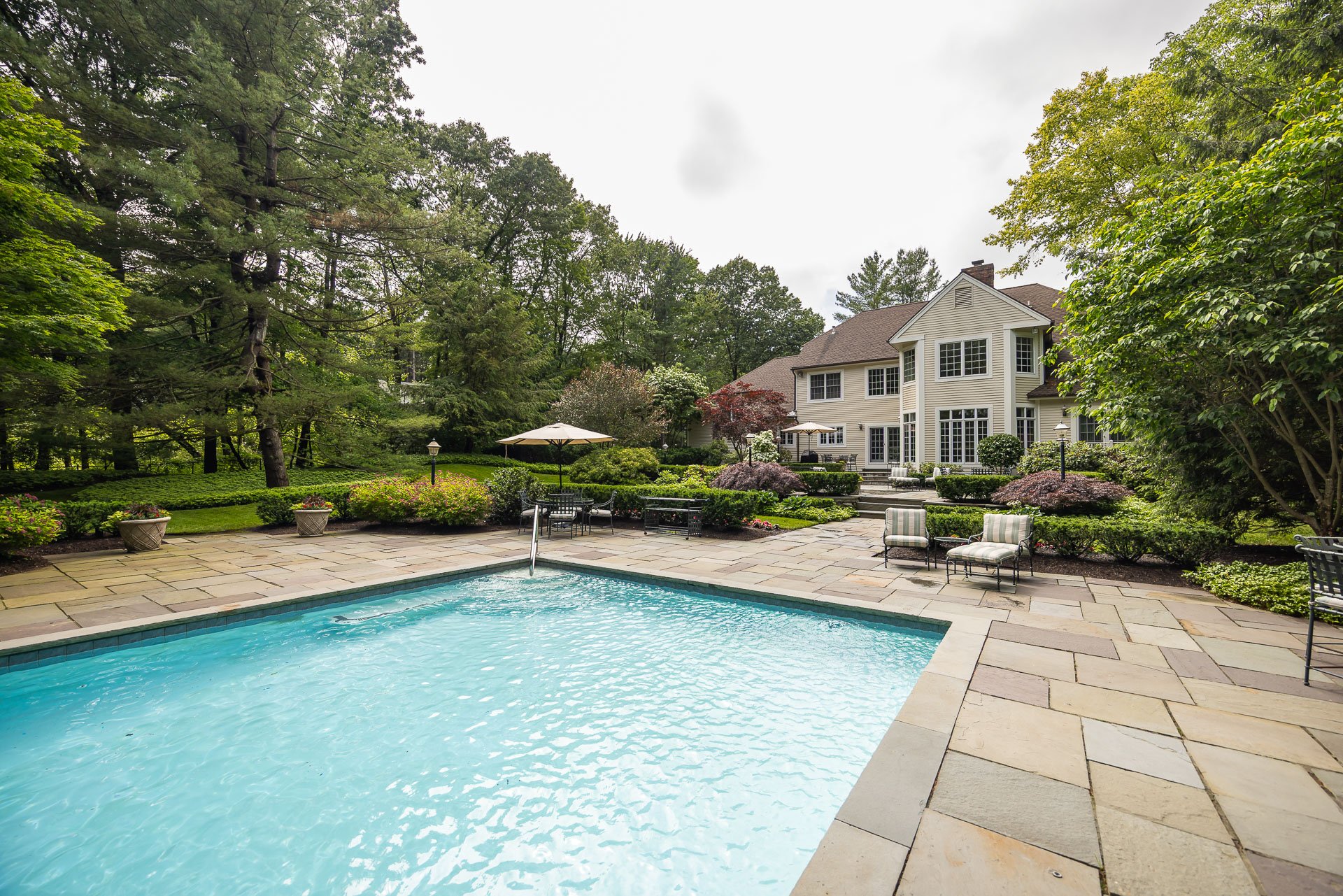
- Shared memories. Whether you’re relaxing poolside with your significant other or hosting a neighborhood get-together, your pool can be the centerpiece of memorable moments all year long.
- Stress relief. A pool is an integral piece of a serene backyard oasis. It can serve a vital role in reducing your stress, especially in the dead of winter.
- Exercise and enjoyment. In addition to being incredibly relaxing, pools can be an excellent source of exercise. This leads to long-term health benefits, especially during the winter when many people become more sedentary.
- Enhanced aesthetics. An inground heated pool looks great all year, giving your property a much-needed visual boost through the cold season.
- Reduced cost and effort. Winterizing a pool requires foresight, effort, and expense. You can avoid these annoyances (as well as that of reopening the pool in the spring) by opting for winter pool maintenance instead.
Identifying your personal reasons for wanting your pool to be functional year-round can help you determine if investing in a heated outdoor pool is worth the effort and expense. It can also give you a clear direction when discussing the possibility with your trusted local professionals, giving them the guidance they need to perfect your Capital Region paradise.
How Viable is Keeping a Pool Open Year-Round in the Capital Region?
Questioning the viability of keeping a pool open in the winter, especially in upstate New York, is entirely understandable. After all, the winters in the Capital Region can be intense, and the freeze and thaw cycles are no joke. However, you can rest assured that using your pool year-round is an achievable goal.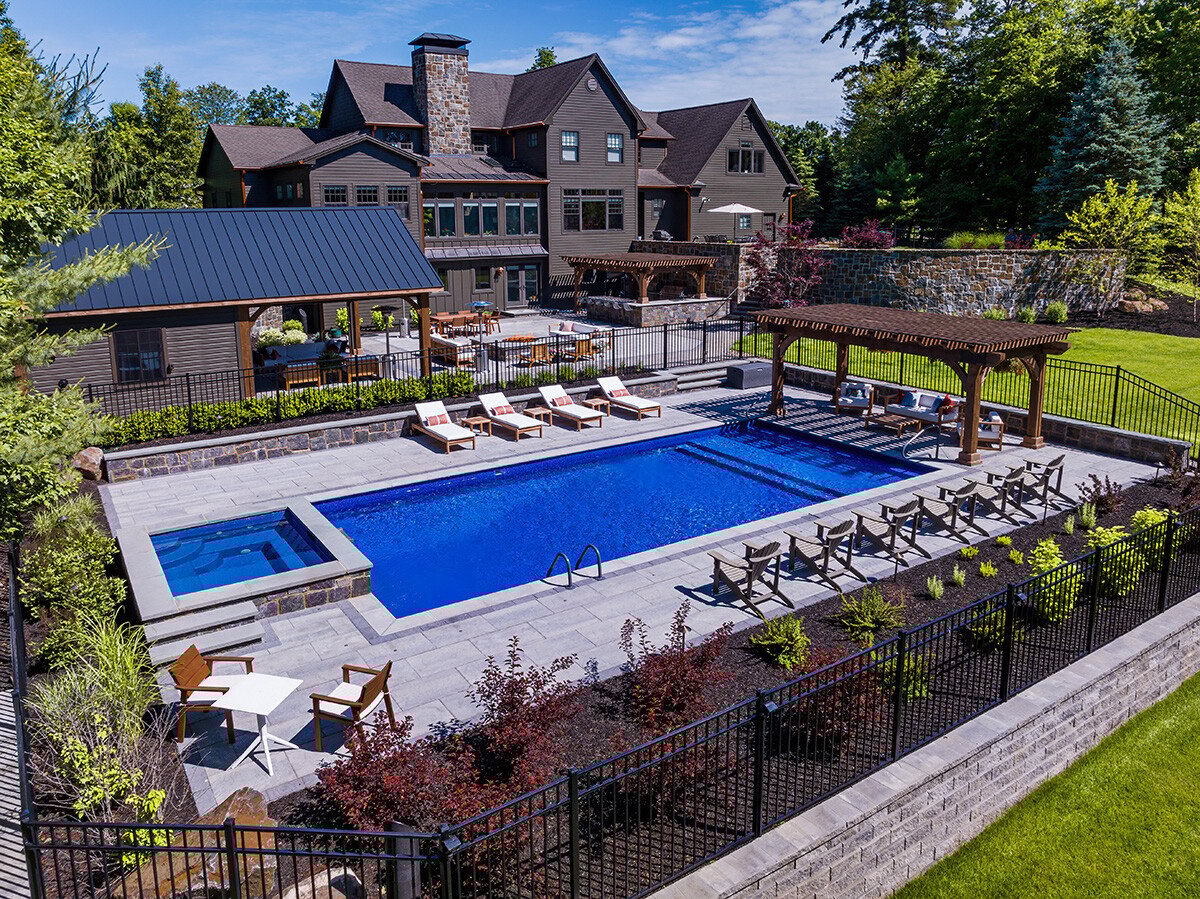
It all starts with thoughtful pool design and installation in the Capital Region and cities such as Saratoga Springs, Albany, and Clifton Park. This includes discussing how to heat an outdoor swimming pool and choosing the right option for your property and lifestyle. With the right plan and equipment, you can use your pool year-round without an issue.
There are other factors to be aware of before committing to an inground heated pool, and we will discuss these details more thoroughly in a moment. From different winter pool maintenance concerns to the cost of heating a pool, having an accurate idea of what accompanies your heated pool dreams is essential.
How to Choose the Right In-Ground Pool Heating Options
According to Gallivan's Landscape Designer Richard Disharoon, heated pools are a must for clients in the Capital Region.
"Almost every pool we sell, the client wants a heater," he said. "For most people, the extended swim season for the size of the investment just makes the most sense."
If you are convinced that a heated pool is right for your home, choosing the best method of heating it is the next step. Your decision here will set the tone for the equipment you need to invest in, the energy use you can expect, the expense of the investment, and more. In other words, getting this part of the formula right is exceptionally important.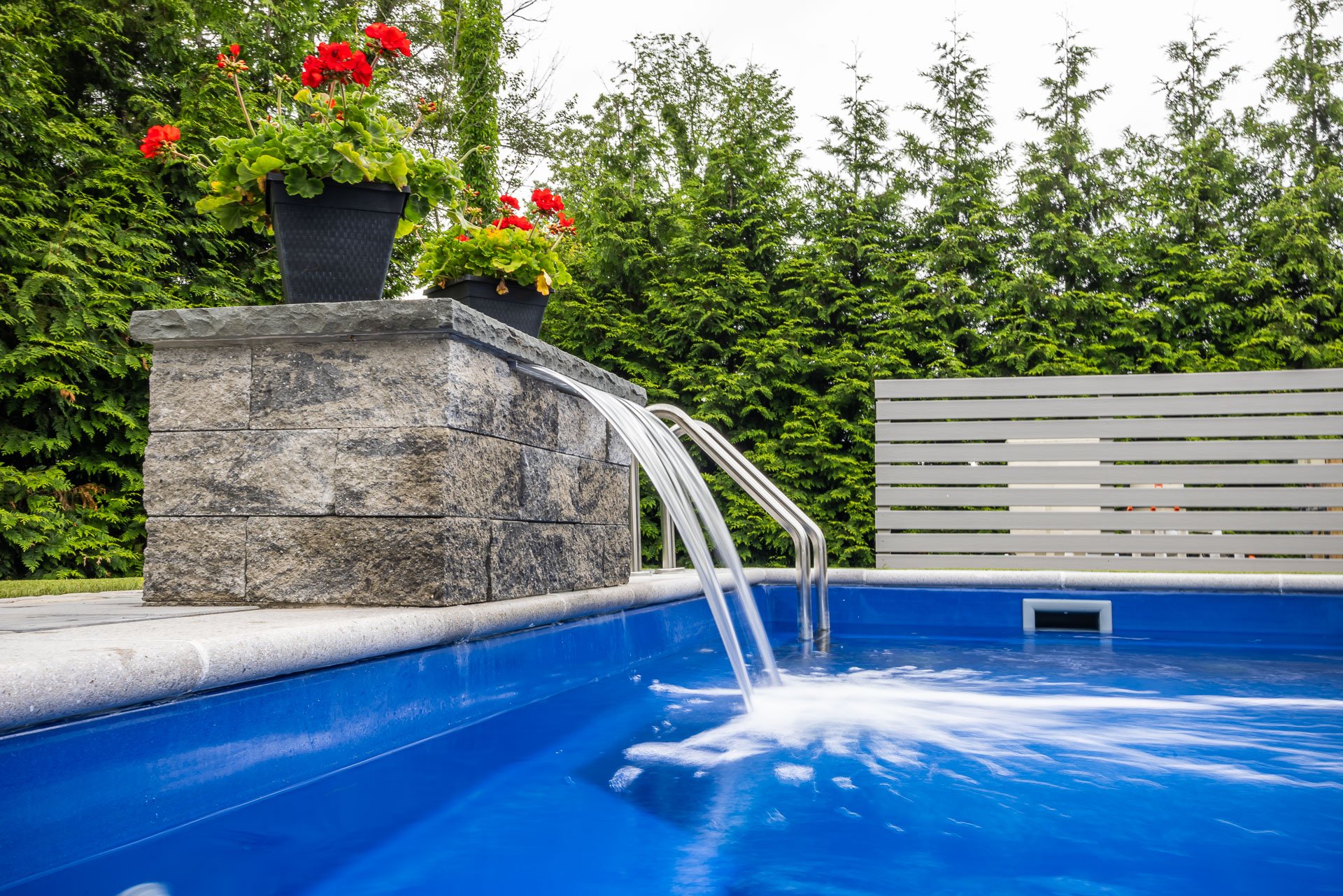
Gas
Gas heaters can come in two varieties: natural gas and propane. They are the most effective heaters for pools, especially in cold climates like we have in Saratoga Springs and Albany. They heat the water quickly, can be used in freezing temperatures, and give you precision control over the temperature of the water.
Of course, there has to be a downside, and when it comes to gas pool heaters, the primary disadvantage is the cost. Fuel consumption can be significant, which can cause your utility bill to skyrocket.
For Capital Region homeowners who prioritize their experience over a tight budget, heating your pool with gas is a compelling option.
Electric
Heating a pool with electricity via an electric resistance heater is not incredibly common, but it does have its applications. These pool heaters act in the same manner as an electric hot water heater would, meaning that they can provide on-demand heat. That is a significant benefit.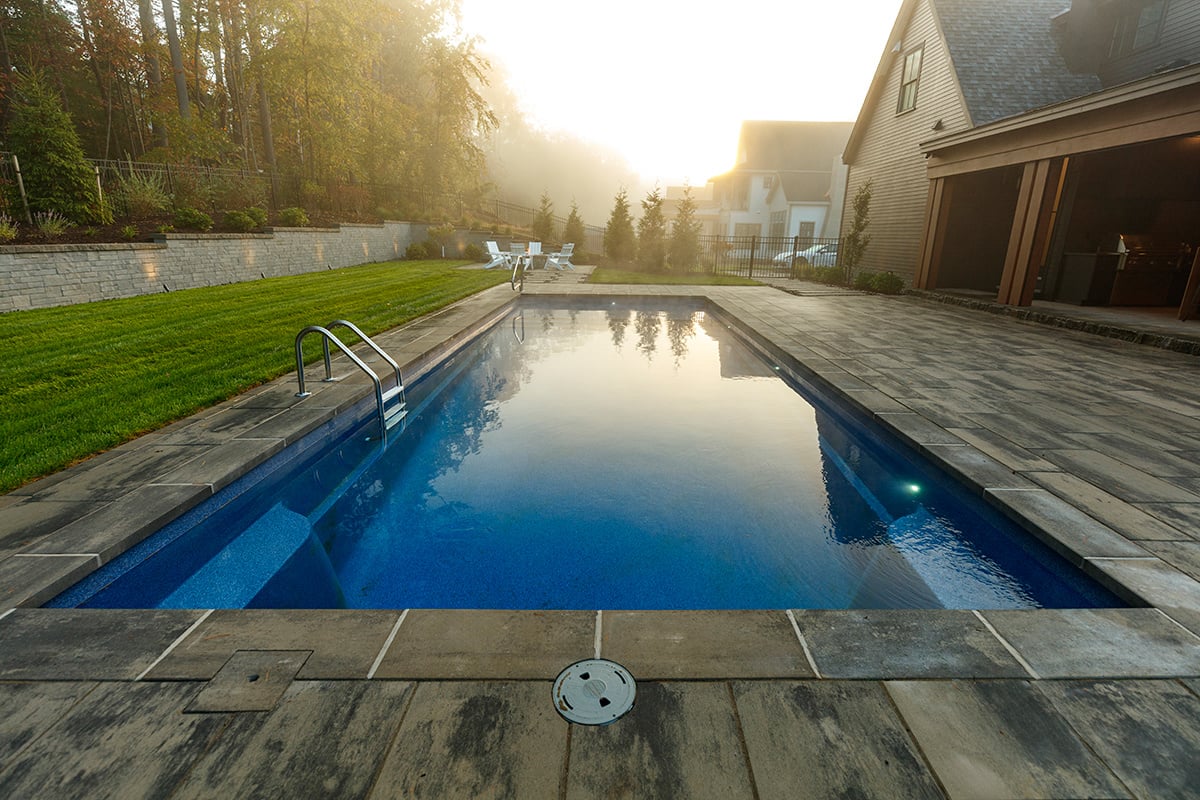
However, the operating costs associated with electric resistance heaters are extremely high. In fact, it is likely the most expensive option for heating your pool, making it an uncommon choice. Exceptions to this rule can include small pools.
Solar
Sustainable and friendly to the environment, solar heaters are an alluring alternative to other pool heating options. Simply put, solar collectors gather heat from the sun, then use that heat to warm the water.
The downside is clear: solar pool heating is dependent on the sun. If it is cloudy, the pool will not warm. At night, the solar heater does nothing. In other words, you are at the mercy of the weather, making solar pool heaters appealing only in extremely sunny climates.
Heat Pumps
Landing somewhere between solar heaters and gas heaters in terms of cost to operate, heat pumps work by extracting heat from the air and using it to heat the water. While this is far more energy-efficient than gas heaters, they do suffer from one fatal flaw: the ambient temperature must be warm enough.
In areas like upstate New York, where the climate is much colder in the winter, heat pumps can struggle to make much of an impact on the temperature of the pool water. This doesn’t mean they’re totally ineffective, but they are unlikely to be as consistently useful as a gas heater.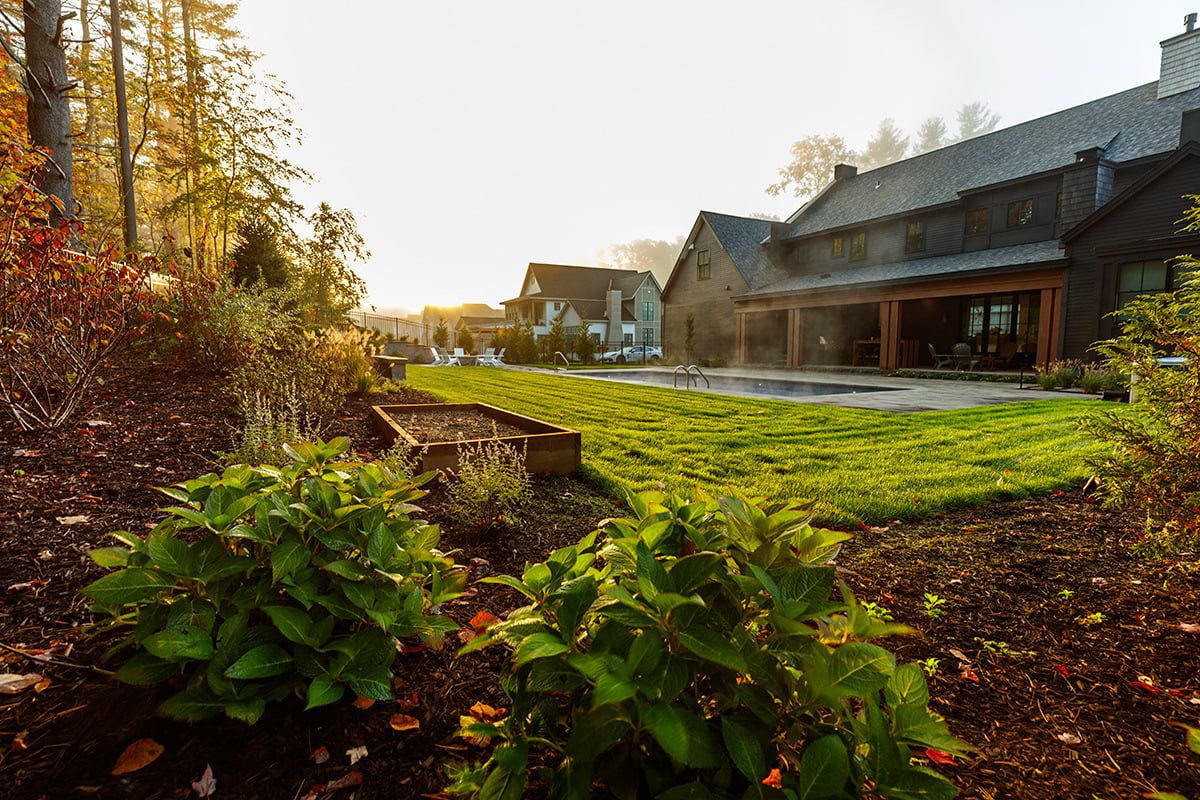
Extra Considerations for Winter Pool Operation
There’s no doubt that keeping your pool open in winter is viable in the Capital Region. To ensure that everything operates smoothly and you don’t encounter any potentially expensive events, considering the following concerns and preparing for them in advance is essential.
Freezing Concerns
Does pool water freeze in the winter? Yes, regardless of what type of water is in your pool, it absolutely can. If your pump turns off or freezing temperatures are the norm, your pool water can freeze, expand, and damage multiple aspects of your pool, including your equipment and the structure of the pool itself.
To avoid the potentially devastating consequences of your pool water freezing, you should keep your pump on, ensure that debris does not clog any of your essential systems, and maintain a proper water level. Heating your pool will also help your efforts.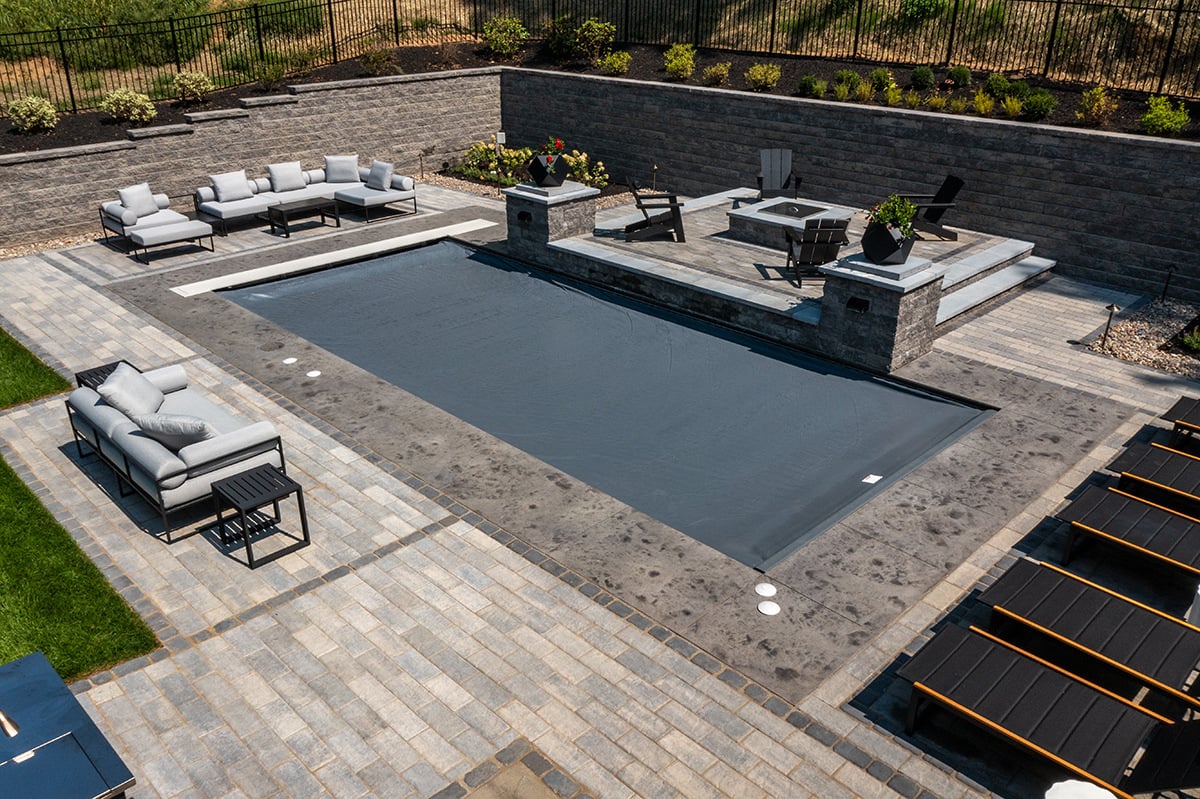
Maintenance Requirements
Winter pool care shares overlap with year-round maintenance, but there is some nuance to ensuring your pool remains in functional condition through the colder seasons. You should continue to clear debris and keep your pool clean. Additionally, maintaining proper winter pool chemical levels is vital.
Some pool equipment, including salt cells if you have a saltwater pool, may turn off during the winter. To ensure that this does not become a problem, you may need to supplement by adding chlorine tablets.
Energy Costs
There’s no way around it: keeping a pool open in winter is costly. Heating the pool is expensive, especially if you are also paying for fuel, and operating your other pool equipment (like pumps and cleaners) can also add up. Be prepared to spend a pretty penny for the luxury of enjoying your pool year-round.
Equipment Costs
Winter pool maintenance includes investing in necessary equipment. Pool heaters alone can cost several thousand dollars to purchase and install. You may also need to run additional utilities to the area to supply the heater with electricity and gas, which can contribute to the overall cost.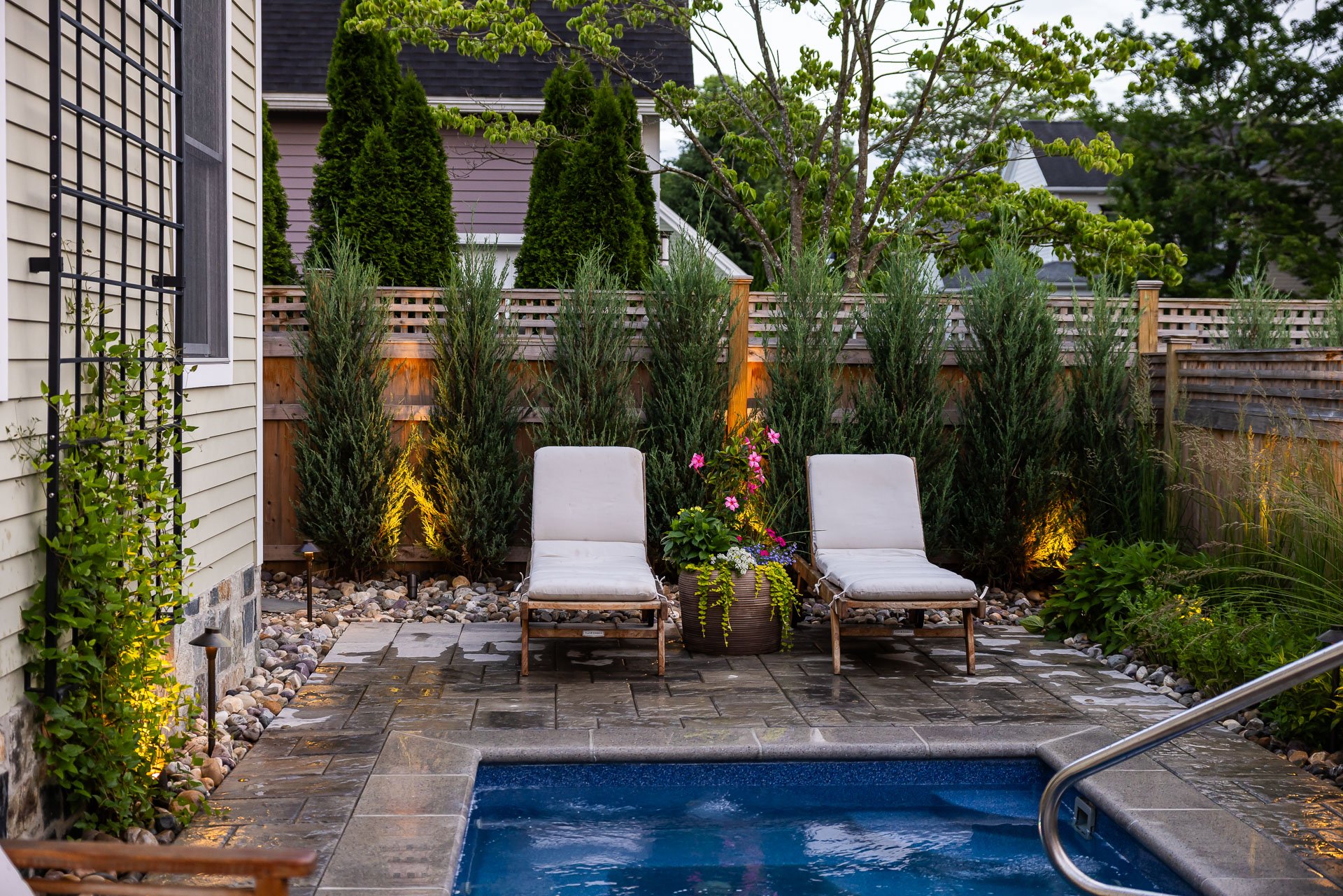
What Additions Enhance Your Year-Round Pool?
Perfecting your winter pool setup may include adding elements to the area to fit the vibe, increase versatility, and provide year-round comfort. Your idea of the ideal winter pool design may differ from your neighbors, but some of the popular additions to consider include the following.
Integrated Spa and Hot Tub
There are few things more relaxing in the winter (or year-round, for that matter) than a hot tub or spa that is integrated into your pool. Not only is this the perfect addition to promote relaxation and winter poolside enjoyment, but it also shares many of the same requirements as your pool. In other words, everything you’d need to install an integrated hot tub is likely readily available.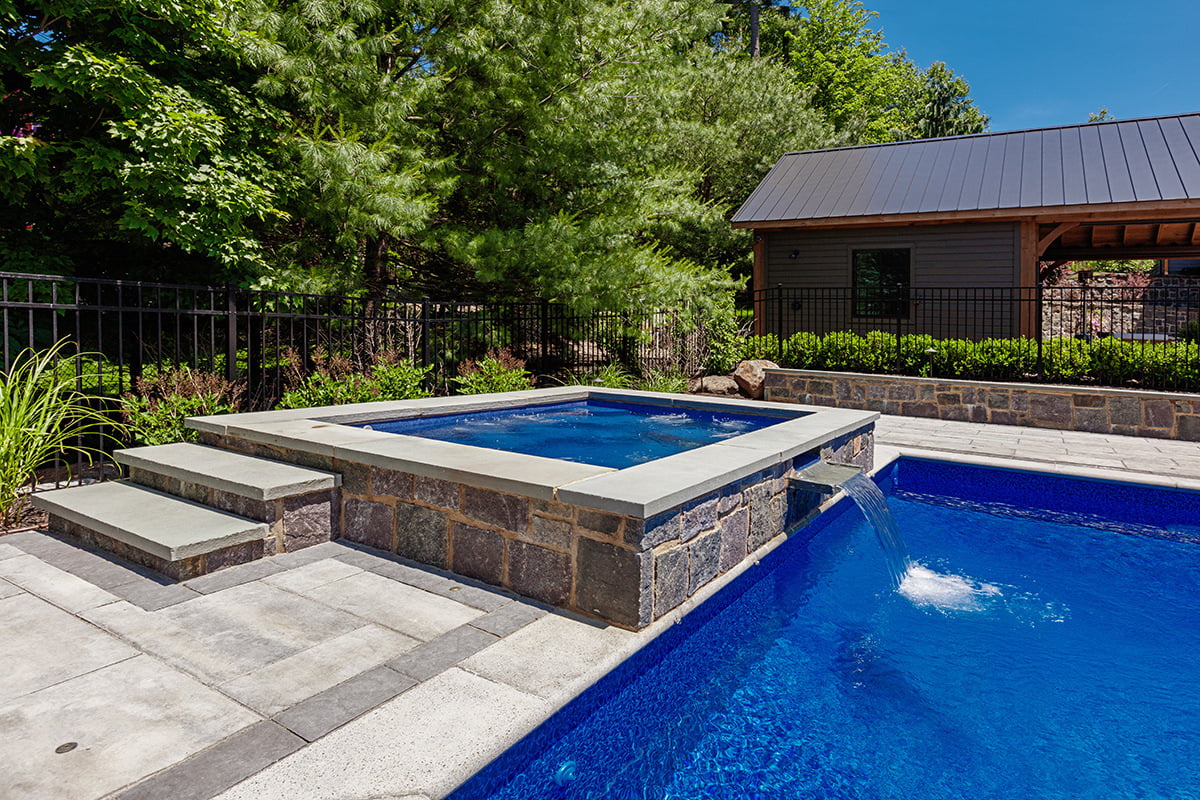
Nearby Fire Pits
Whether you install a small firepit or go big with an outdoor fireplace, incorporating some form of fire element into your backyard design creates an irresistible ambience and provides warmth for those winter moments spent by the pool - or drying off after a dip.
Covered Seating
Giving people a comfortable place to relax between dips in your heated pool is a must, especially if you plan to host friends and family. This seating should ideally be covered to protect it from the elements and keep it free of snow. There are even options for electric heat sources that can be installed for extra comfort.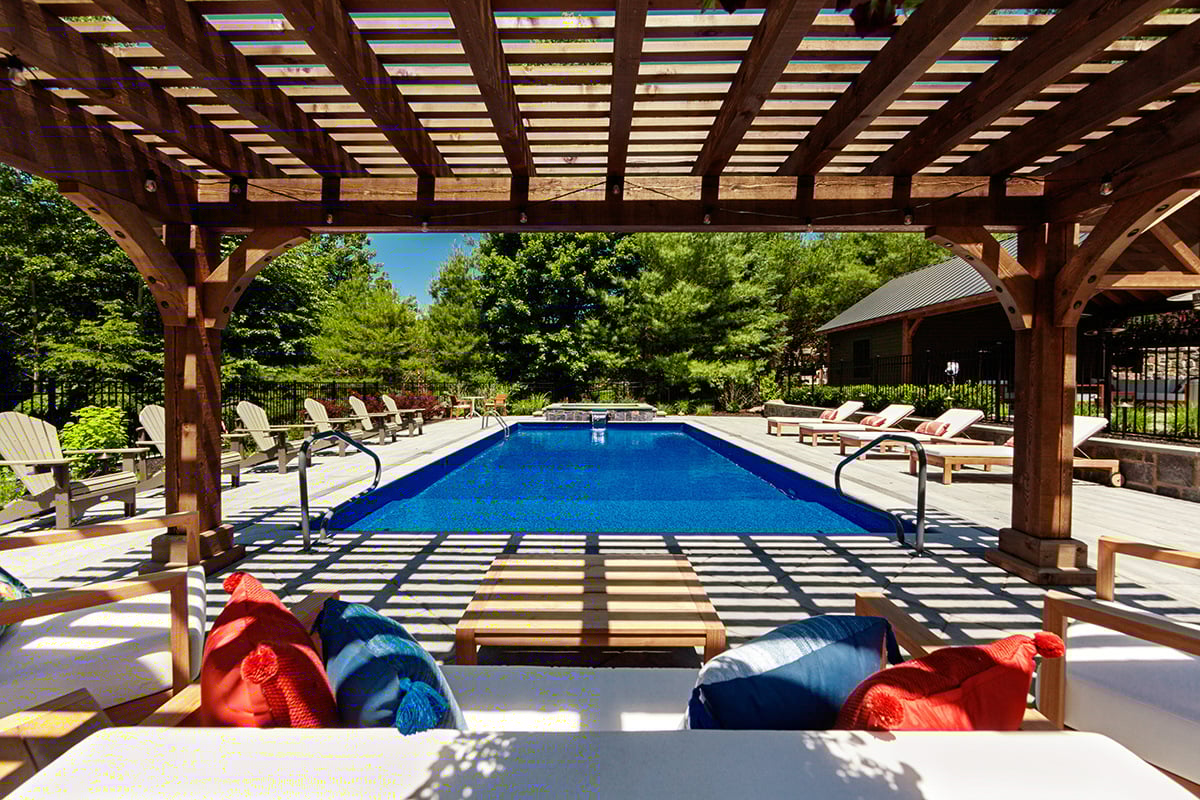
How Gallivan Helps Design and Install Luxury Pools
With decades of experience in the Capital Region and a dedicated in-house design team, Gallivan excels at providing high-end homeowners with exceptional pool design guidance and expert installation. We can help you realize your dream of a heated pool in the winter, as well as any other accompanying elements that will enhance your year-round experience.
Whether you are just starting the process or already have a clear vision of the backyard oasis you want, fill out our consultation form today to discuss your project in more detail.