
Written by: Richard Disharoon
7 min read
The popularity of environmentally-friendly landscaping has grown by leaps and bounds as of late, and for many good reasons. With this new emphasis on sustainable landscape design comes both a challenge and an opportunity for homeowners and professional landscapers.
This is especially true in the Capital Region, where discerning homeowners want to create stunning, functional landscapes that lean into the area’s beauty. At Gallivan, we are committed to natural landscape design that conserves the resources that we hold dear while also presenting a gorgeous and immersive homeowner experience.
Read on to learn more about eco-friendly landscaping in New York, the advantages of this increasingly popular approach, and how Gallivan can help you embrace sustainability while enjoying all of the benefits of a truly gorgeous property.
Jump To:
Overview of Environmental Landscaping in the Capital Region
The Benefits of Environmentally-Friendly Landscaping
Common Elements of Sustainable Landscaping
Environmentally-Friendly Landscaping FAQs
How Professional Landscape Companies Create Sustainable Designs
A Homeowner’s Guide to Environmental Landscaping in Upstate New York
The idea of environmentally friendly landscaping is alluring. Many people would agree that it is a better way to approach landscaping, both for design and regular maintenance, but the specifics regarding what eco-friendly landscaping in New York actually entails can be a bit confusing.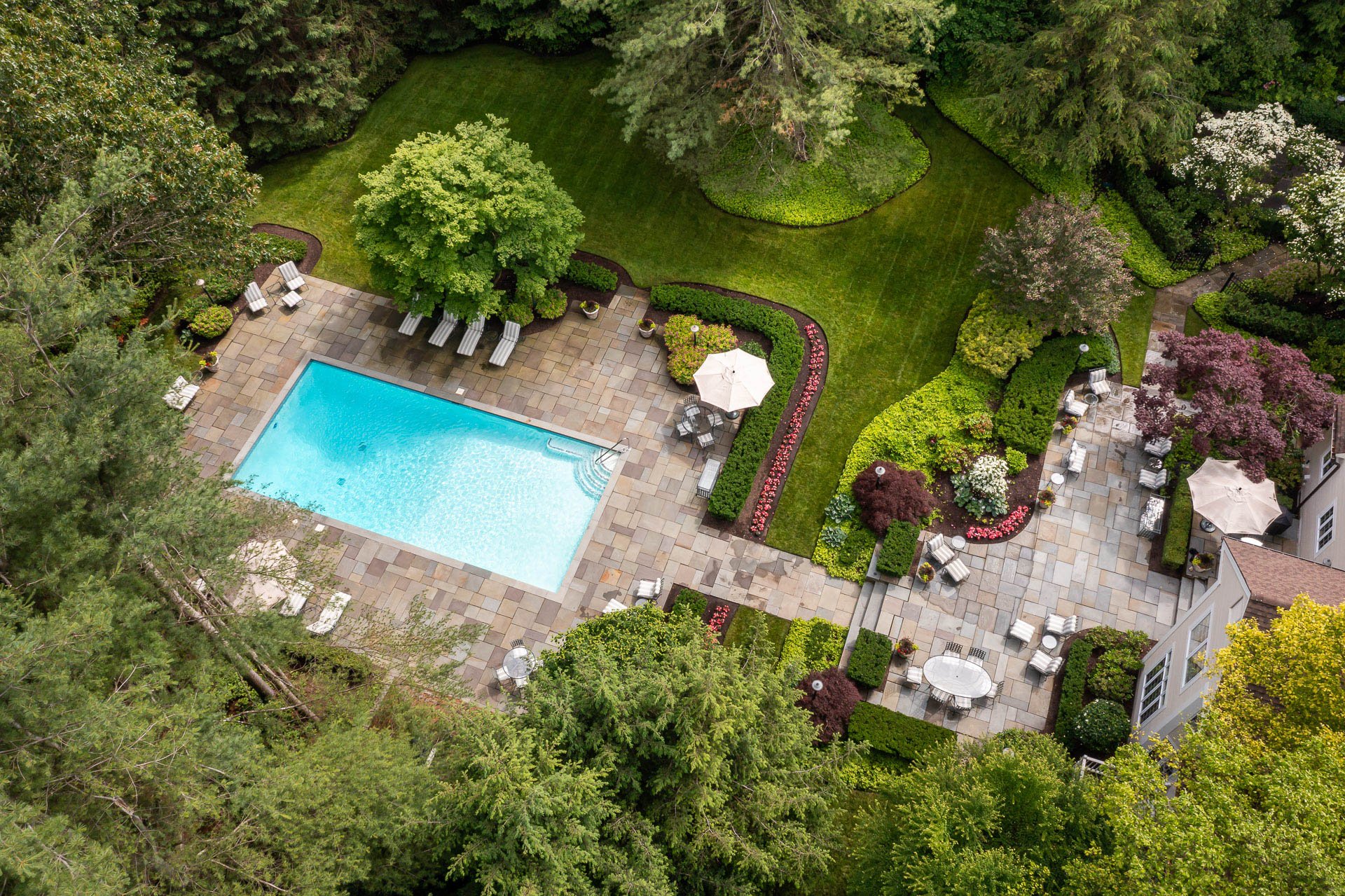
At its core, this style of landscaping emphasizes the use of natural environments and materials with the goal of reducing waste and conserving resources. In practice, this can be achieved in a number of ways, including adapting your landscaping to your specific region and its climate.
With this definition in mind, let’s dive into the details of sustainable landscape design, the benefits you can experience when you choose it, and how to implement this approach on your own property.
The Benefits of Environmentally-Friendly Landscaping
Opting for sustainable landscaping isn’t just about the noble pursuit of conservation or even personal fulfillment. Both of those things can be good, and if they are compelling enough for you to choose natural landscape design, we encourage you to do just that.
For those who want to explore the practical benefits of environmental landscaping in Upstate New York, you’re in luck: we’ve listed the top advantages below.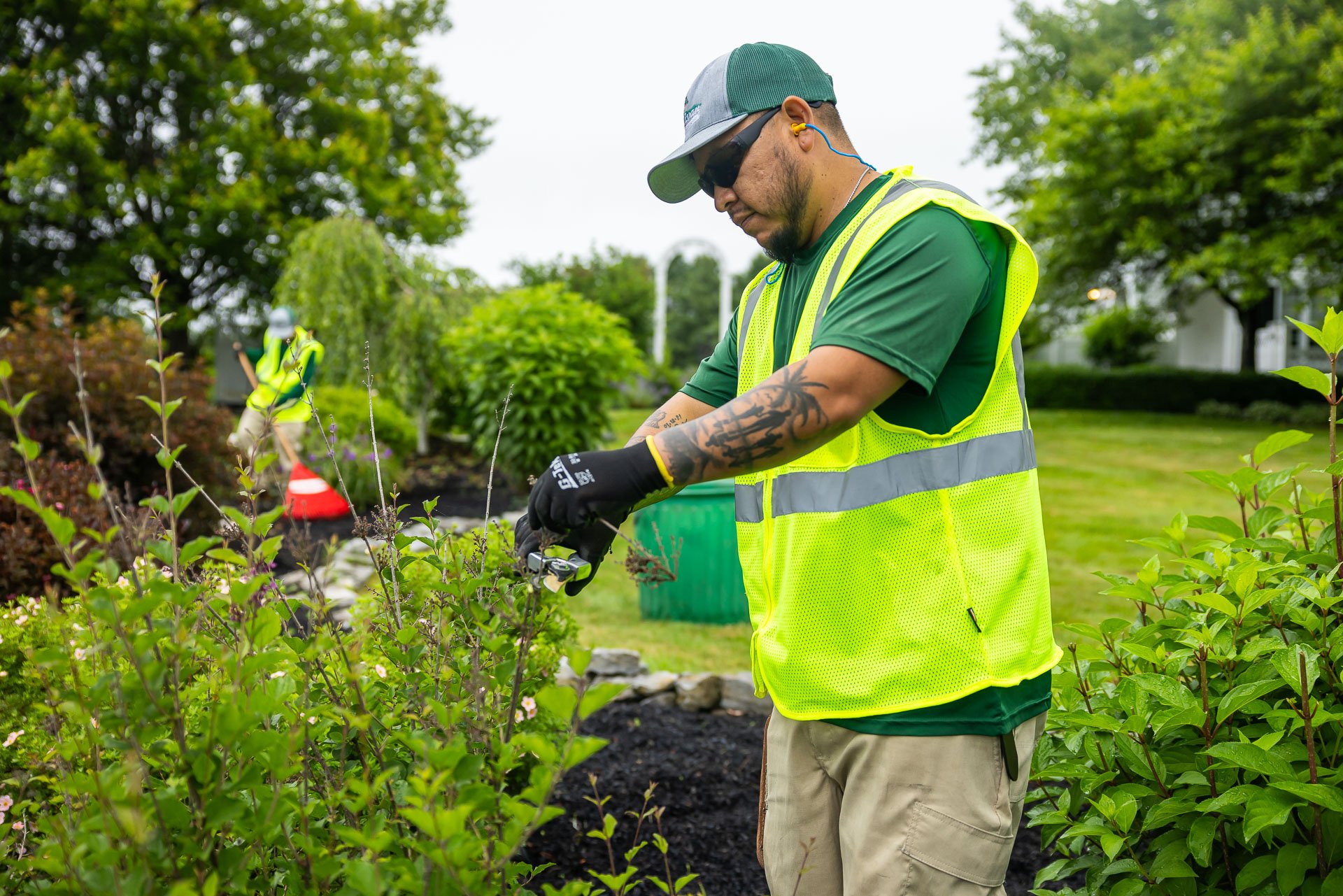
Long-Term Maintenance Demands
Because sustainable landscaping relies on the inclusion of native plants, emphasizes the protection of resources, and is designed to reduce consumption, it almost always requires less maintenance than a more traditional landscape.
This means you get to enjoy the landscape of your dreams without constant upkeep, giving you more time to appreciate your outdoor spaces and cutting down on expensive maintenance along the way.
Reduced Water Usage
Environmentally-friendly landscaping utilizes intentional design and plant selection to reduce water usage. This is great news from a conservation perspective, and it can reduce your monthly utility bill. It’s a win-win for the planet and your pocketbook.
Better Resilience to the Capital Region Climate
Native plant landscape design is a key component of eco-friendly landscaping. While not the only factor in crafting a resilient landscape, this aspect of sustainable design helps your property thrive in the face of the Capital Region’s unique and challenging climate.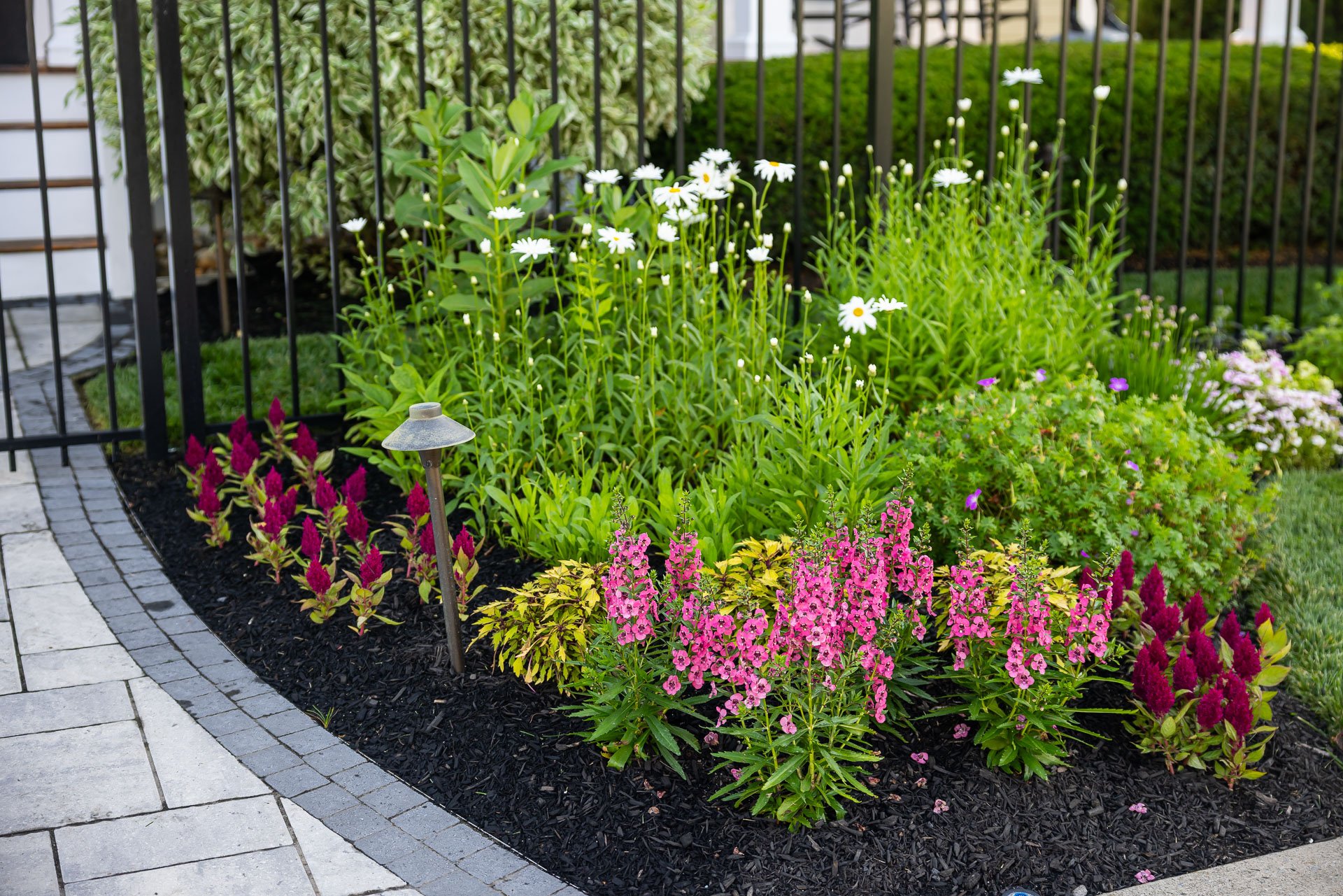
From the extreme ends of the seasonal weather shifts to the soil type prevalent in the area, natural landscape design works with the nuances of your property and geographic location, not against them.
Personal Peace of Mind
Some homeowners take a personal interest in conservation efforts and sustainability initiatives. If you have a passion for environment-related causes, knowing that your landscaping aligns with your beliefs can provide you with invaluable peace of mind and imbue you with a sense of pride.
Common Elements of Sustainable Landscaping
Many of the ideals that establish the foundation of the sustainable landscape design movement are lofty and conceptual, but they can be executed in very practical ways. By incorporating the common elements of eco-friendly landscaping in New York into your design and strategy, you can enjoy the benefits while doing your part for the planet.
There are three primary concerns when embracing environmental landscaping in Upstate New York: prioritizing native plants, creating sustainable hardscaping, and implementing water conservation strategies.
Native Plant Landscape Design
While many non-native plants can grow and even excel in the Capital Region, there is something special about native plants, especially if you are intent on an eco-friendly direction. The reason is simple: native plants are uniquely adapted to the climate and soil in the Capital Region, allowing them to flourish with much less maintenance.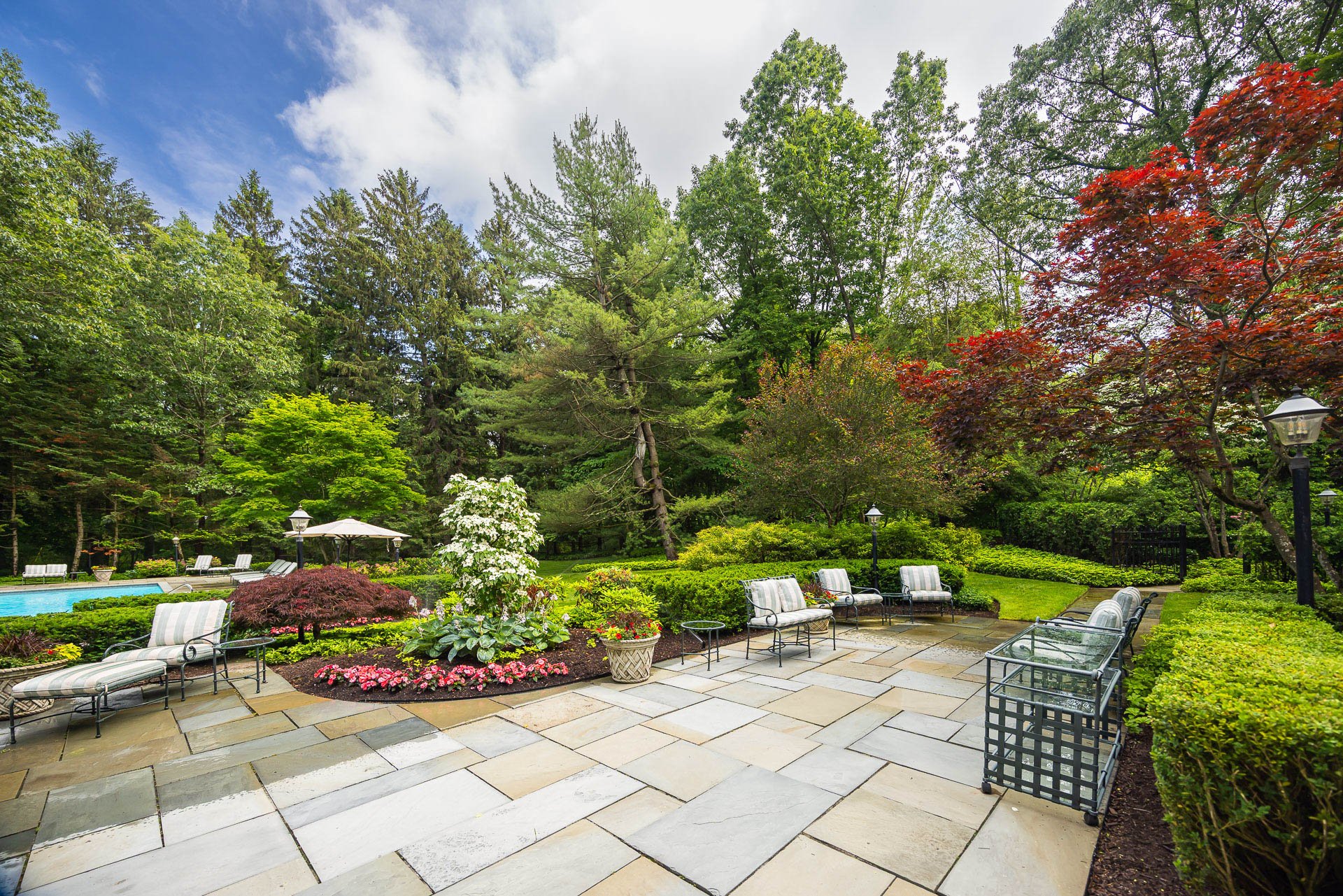
Not only does this mean that your landscape is more likely to remain beautiful year after year, but it also means that you are less reliant on frequent maintenance, pesticides, fertilizers, irrigation, and so on.
Native plants also support and encourage local wildlife, from pollinators to birds, and everything in between!
Eco-Friendly Hardscaping
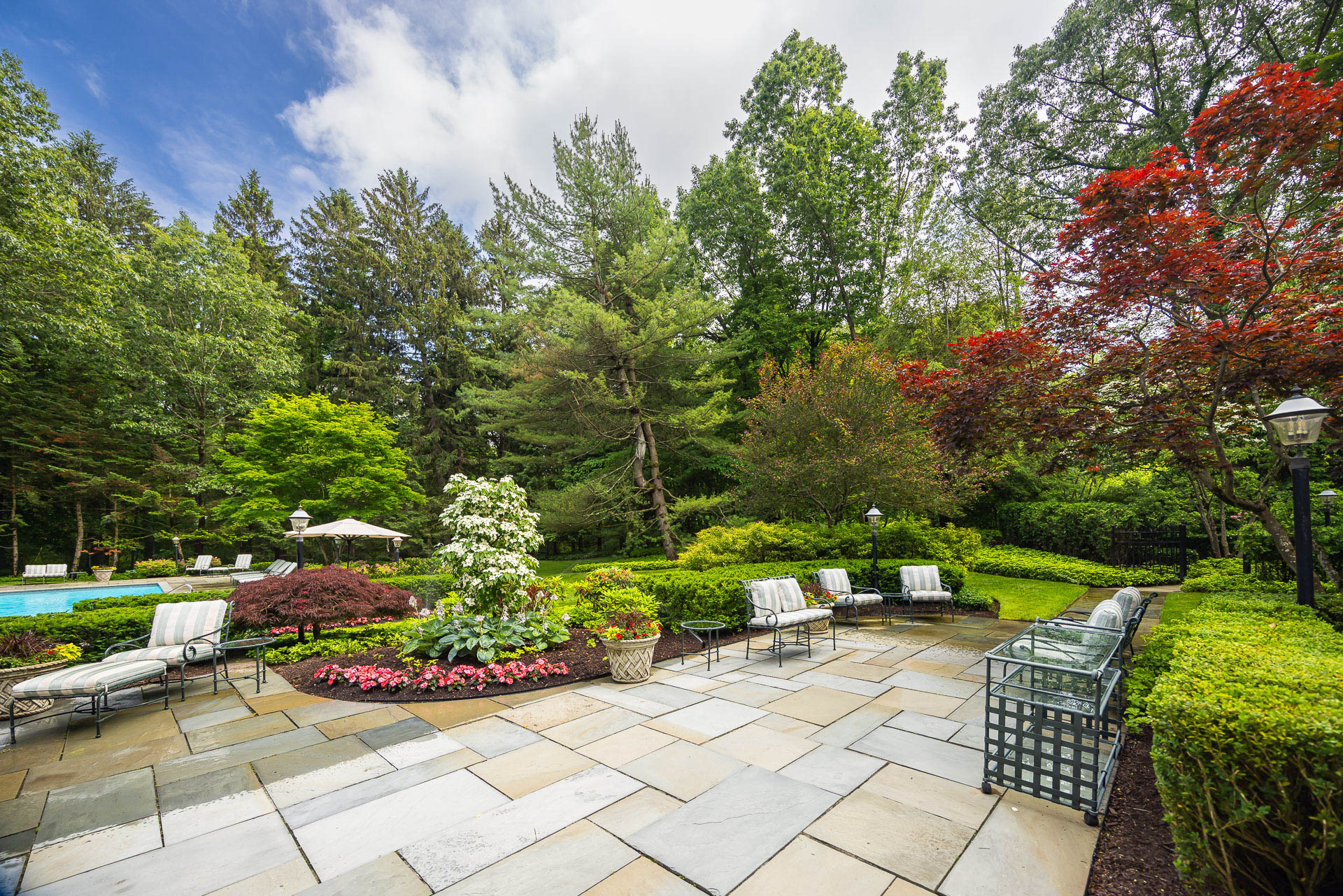
Hardscaping is the practice of using non-living elements, such as stone and cement, as part of your landscaping. It can include walkways, patios, driveways, decorative beds, and so on. Typically, it is used to complement the living elements on your property, also known as softscaping, creating a beautiful contrast between the two.
However, it can also be used as a conservation strategy. Hardscaping requires very little maintenance, does not need to be watered, and can even help manage erosion by improving drainage. By thoughtfully incorporating hardscaping elements into your sustainable landscape design, you take a tremendous step toward true eco-friendly landscaping in New York.
Landscape Designs That Conserve Water
Prioritizing native plants and utilizing hardscaping are two fantastic ways to conserve water, but you can take your environmentally-friendly landscaping even further with water conservation strategies.
First, consider grouping plants according to their water demands. This is not a hard and fast rule, as you still want to create the most visually appealing landscape possible, but it does help streamline your water usage.
Second, and perhaps most importantly, invest in an efficient irrigation system. Smart irrigation systems can work wonders for your water usage by automatically adjusting to the weather, timing your watering accordingly, and delivering precise amounts of water exactly where it is needed.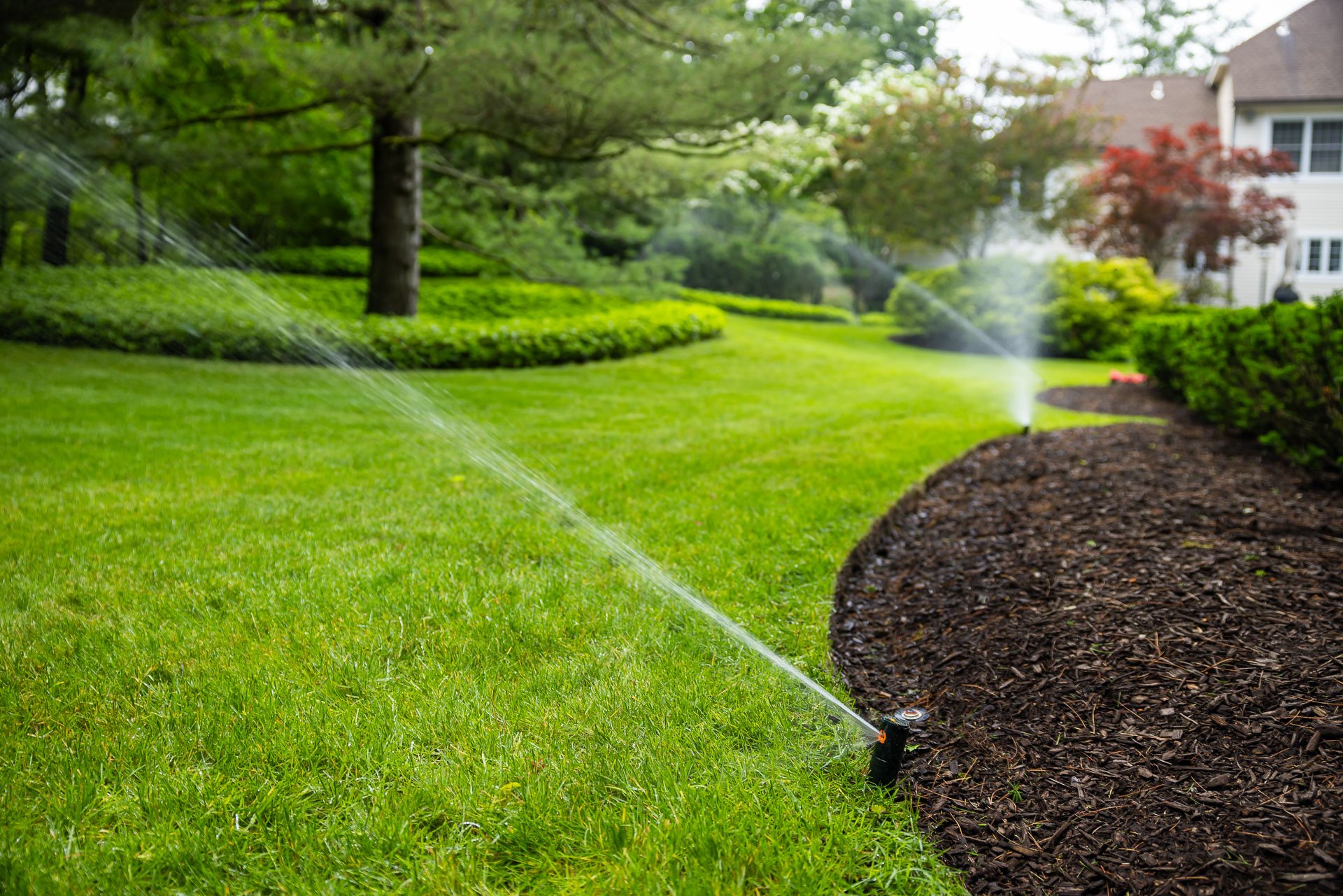
Such systems can also detect leaks or other concerns before they become serious problems. By identifying these issues early, they not only save a significant amount of wasted water but also save your bank account from expensive repair bills.
Environmentally-Friendly Landscaping FAQs
What are the most common sustainable landscaping mistakes to avoid?
Sustainable landscape design is not necessarily difficult, but there are some mistakes that homeowners commonly make: not thinking things through strategically, choosing the wrong types of plants for the Capital Region climate, and neglecting the health of the soil.
How do you landscape with native plants?
Working with an expert to identify and recommend native plants for your particular landscape, goals, and lifestyle is the best way to ensure your design fits your vision. Factors such as soil type, aesthetic preferences, sun exposure, and more can all play important roles in the success of your native plant landscape design.
Does sustainable landscape design reduce maintenance costs?
As a general rule, yes. Native plants and hardscaping require less maintenance than most alternatives, and strategically conserving water translates to reduced utility costs.
Can eco-friendly landscaping increase my property value?
Eco-friendly landscaping in New York can certainly increase your property value by enhancing your home’s curb appeal, reducing maintenance burdens, improving outdoor living spaces, and appealing to those who may value conservation efforts.
Is environmentally-friendly landscaping more expensive?
The upfront cost of sustainable landscape design can be higher than that of more traditional landscaping, but the long-term benefits and savings often balance things out. Lower maintenance demands and utility costs are likely to offset the initial investment over time.
How Professional Landscapers Create Sustainable Designs
The advantages of professional eco-friendly landscape design in the Capital Region and cities such as Saratoga Springs, Albany, and Clifton Park are numerous and compelling. From native plant recommendations to harmonious inclusion of hardscaping, an experienced local professional can take your vision and turn it into reality.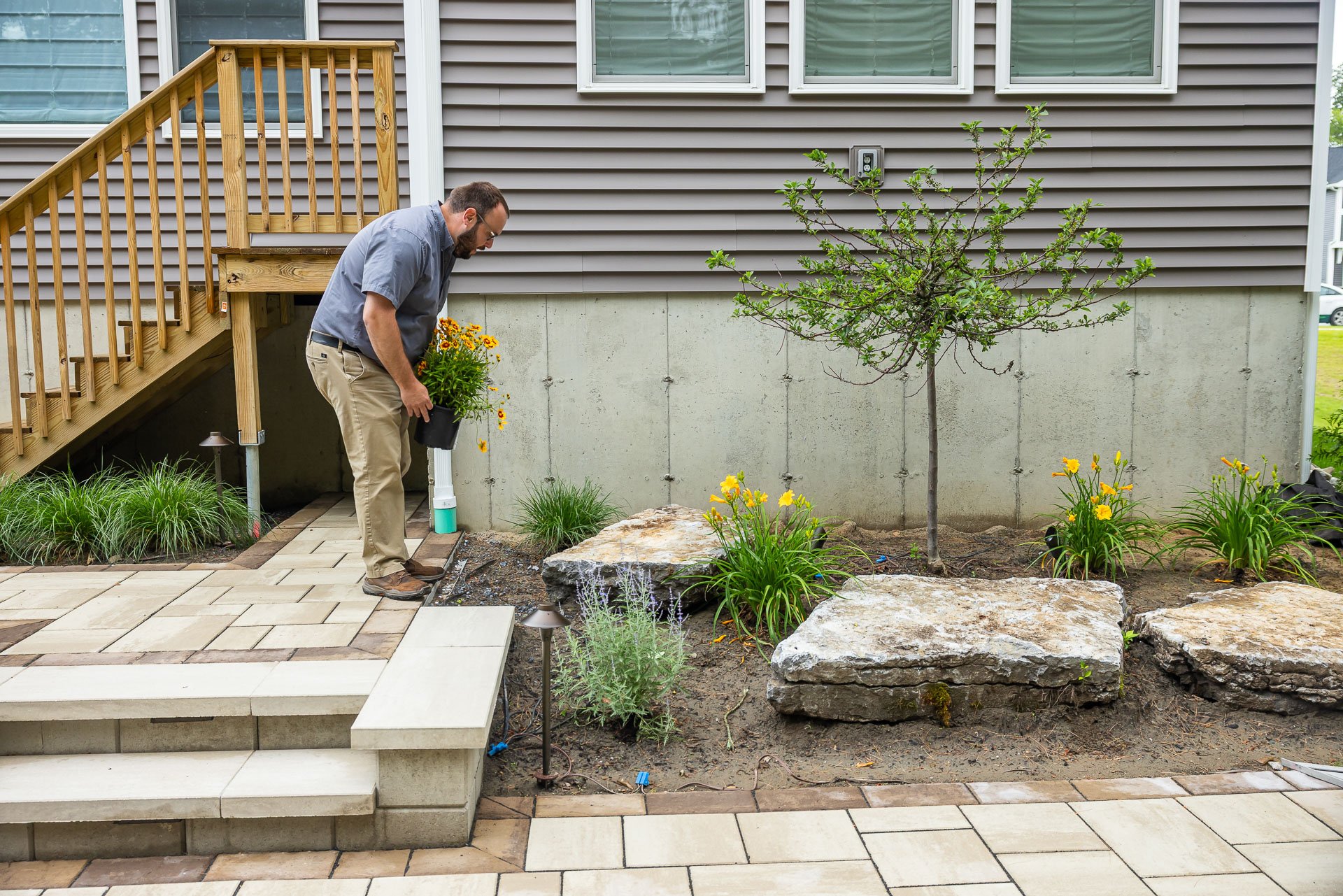
At Gallivan, we have more than 30 years of experience elevating properties in the Capital Region. In that time, we have learned a thing or two about crafting exceptional landscapes that are both visually stunning and environmentally friendly.
Fill out our consultation form to learn more about sustainable landscape design or to discuss your specific project. We’d love to hear from you!