
Written by: Bryan Anderson
8 min read
Capital Region Landscaping with Hardscaping and Softscaping
Crafting an idyllic landscape for an upscale home is a balancing act. Elements need to complement each other, work with the natural topography of your property, enhance the architecture of your home, and otherwise create a beautiful and functional comprehensive property.
Many landscaping elements can be broken down into two basic categories: hardscape and softscape. Understanding the difference between the two is critical to landscape design in the Capital Region and cities such as Saratoga Springs, Albany, and Clifton Park. Not only does it provide context to the conversations you will have with your professional landscape design team, but it also helps when determining the balance of elements needed to bring your dream landscape to life.
Whether you are starting from scratch or revitalizing your current landscape, mixing hardscape elements and softscape landscaping will play an essential role in the success of your property now and in the future. That’s why we’ve put together this guide: to help you determine the difference between hardscape and softscape, when to use the two, and the harmonious relationship they can share.
Jump To:
What is Hardscape Landscaping?
What is Softscape Landscaping?
How Do Hardscaping and Softscaping Work Together?
How Professional Landscape Designers Combine Hardscape and Softscape
How to Determine What Balance of Hardscape and Softscape Suits Your Lifestyle
The Long-Term Value of Working with a Professional to Combine Landscaping Elements
What is Hardscape Landscaping?
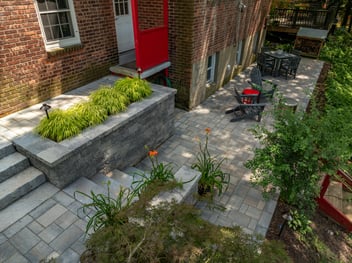
Take a look around your property or one that you admire. While the organic elements, like flowers and trees, provide beauty and can be functional in their own right, much of the landscape is home to non-living elements. From walkways and retaining walls to firepits and pergolas, these and other similar elements fall under the umbrella of hardscaping.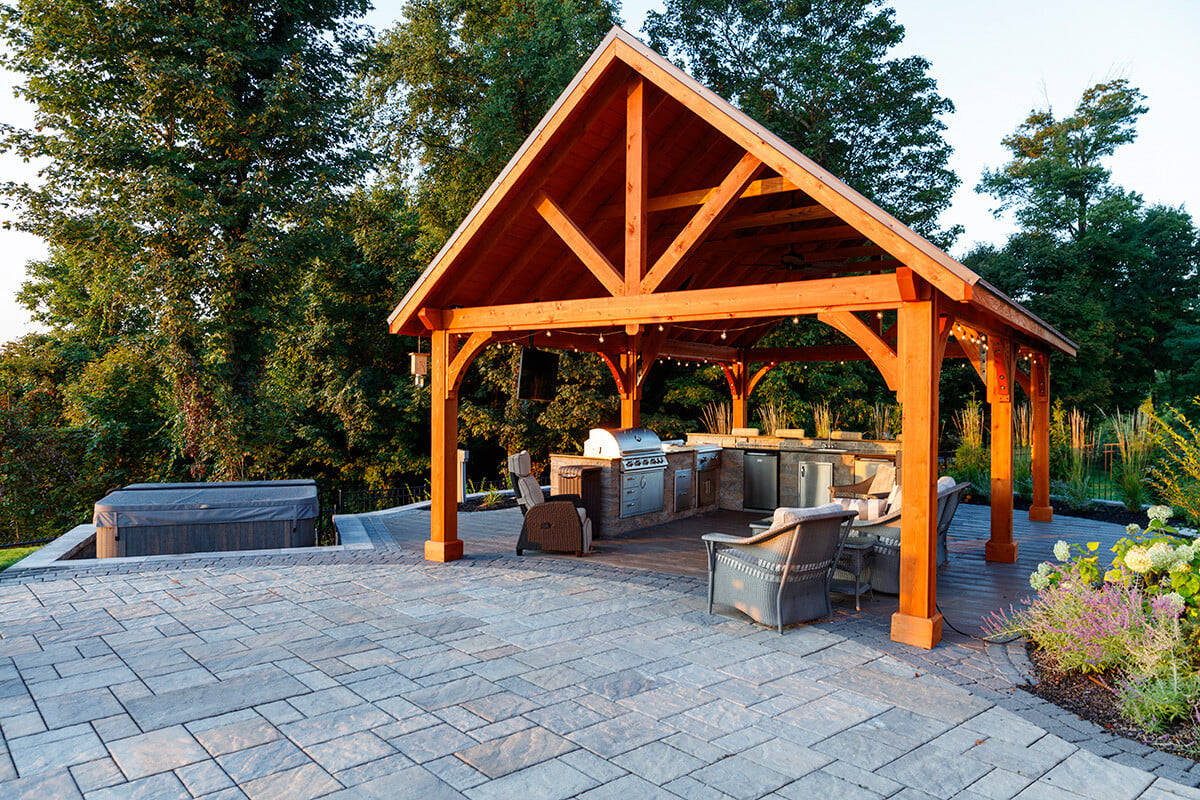
In other words, hardscape design includes anything that is not living. Incorporating some of these elements into your Capital Region landscape is necessary. Your home needs a driveway, walkways, and an outdoor area where people can gather. Some hardscaping elements, like retaining walls and fences, may even be structural, making them integral to the function and safety of your property.
Hardscaping also tends to be permanent. They require little to no maintenance, but would be difficult to change or remove if the desire or need ever arose. In other words, being strategic when designing your landscape to incorporate hardscape elements is a must.
Some of the most common hardscape design elements include:
- Patios, decks, and other areas for outdoor living
- Outdoor firepits and fireplaces
- Water elements, including fountains and ponds
- Dry creeks and gravel beds
- Walls used for retaining soil, creating garden beds, and more
- Walkways, driveways, entrances, and paths
- Any structure that provides shade, including pergolas
- Boundary elements, such as fences
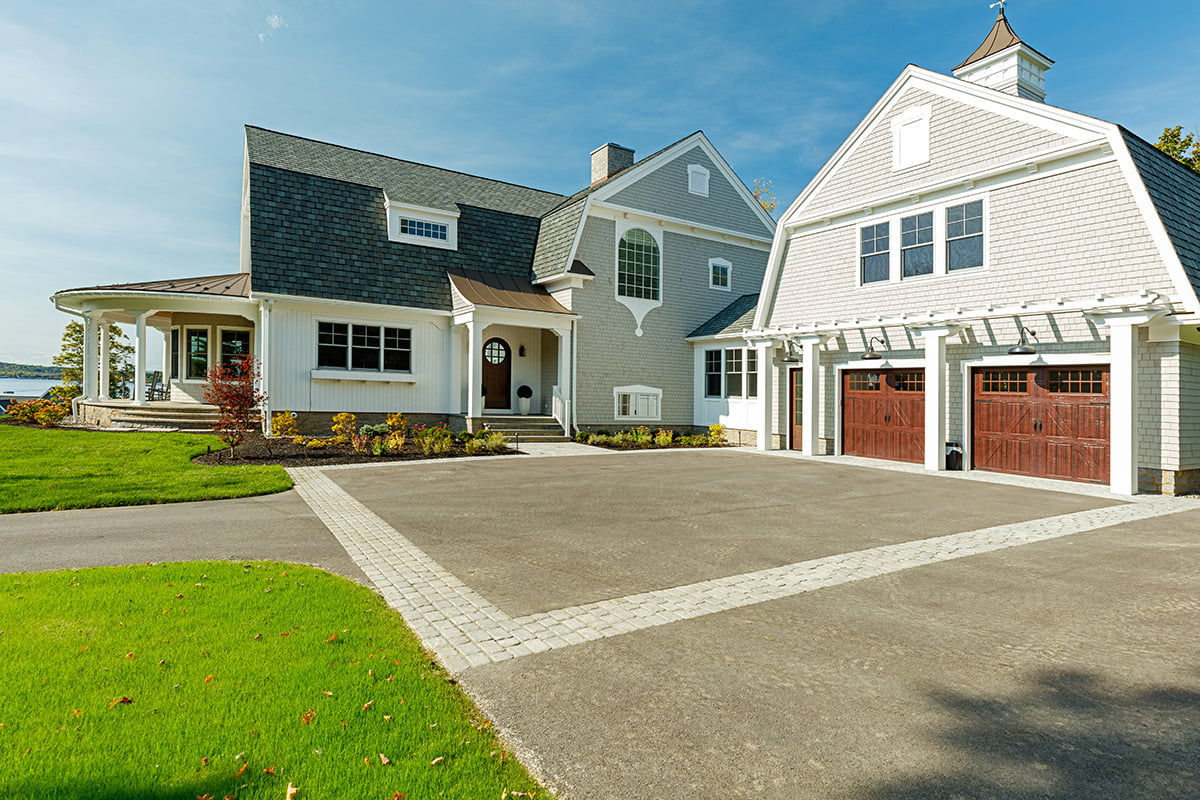
What is Softscape Landscaping?
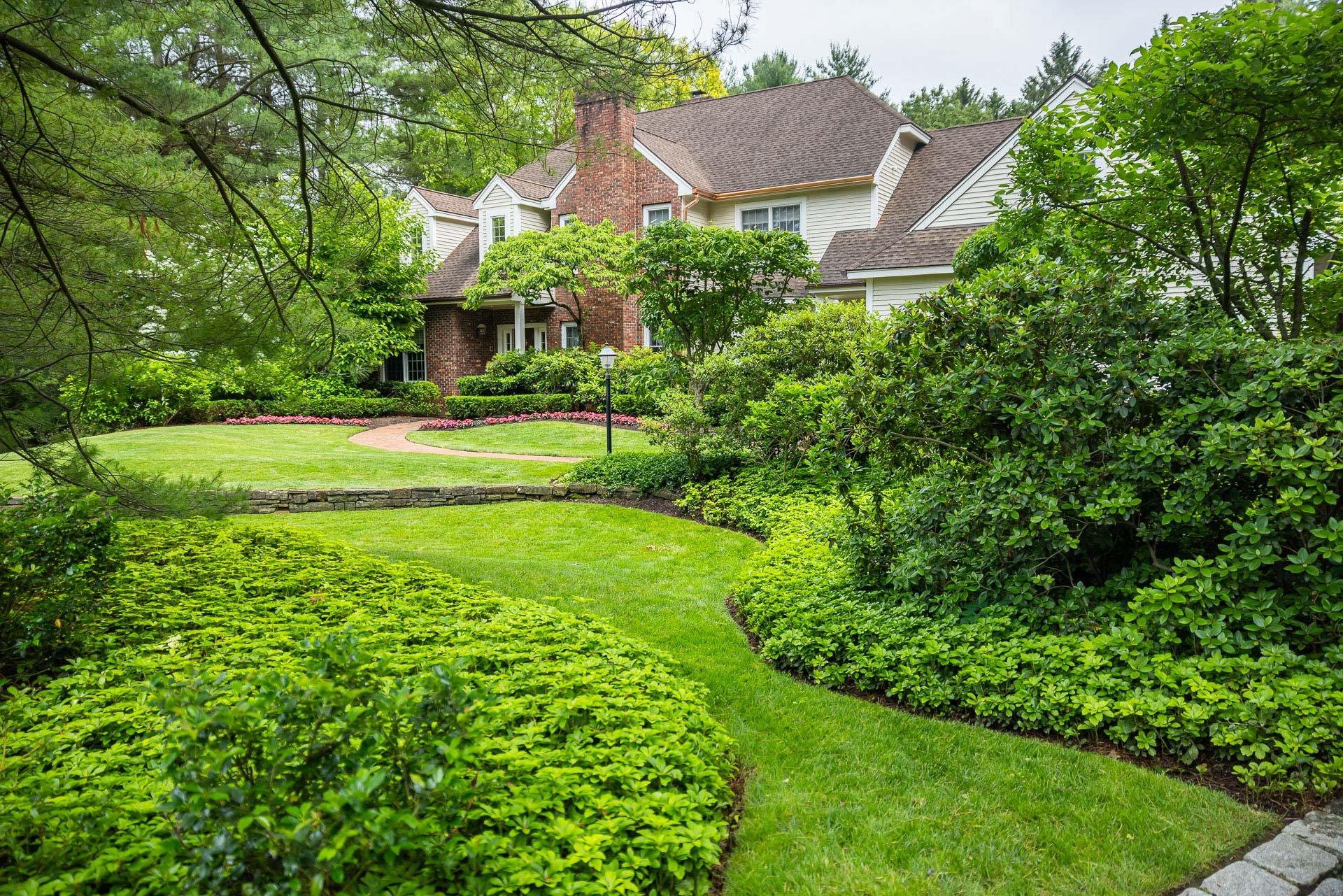
If hardscaping involves non-living, permanent landscaping elements, then softscaping is essentially the opposite. Only natural, organic elements are included in softscape landscaping, meaning that any living plant falls under this category.
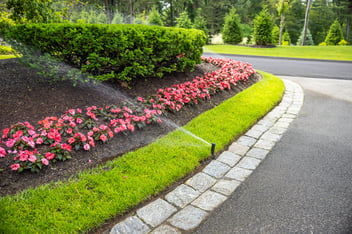
Softscaping is what most people think of when discussing landscaping, and for good reason. From pristine lawns to ancient trees to bursts of gorgeous seasonal blooms, softscape elements give your property a natural beauty that boosts curb appeal and creates a peaceful sanctuary. Softscape elements also grow and evolve, making them more dynamic than hardscaping. You also must care for and maintain them, something that is less involved with hardscape elements.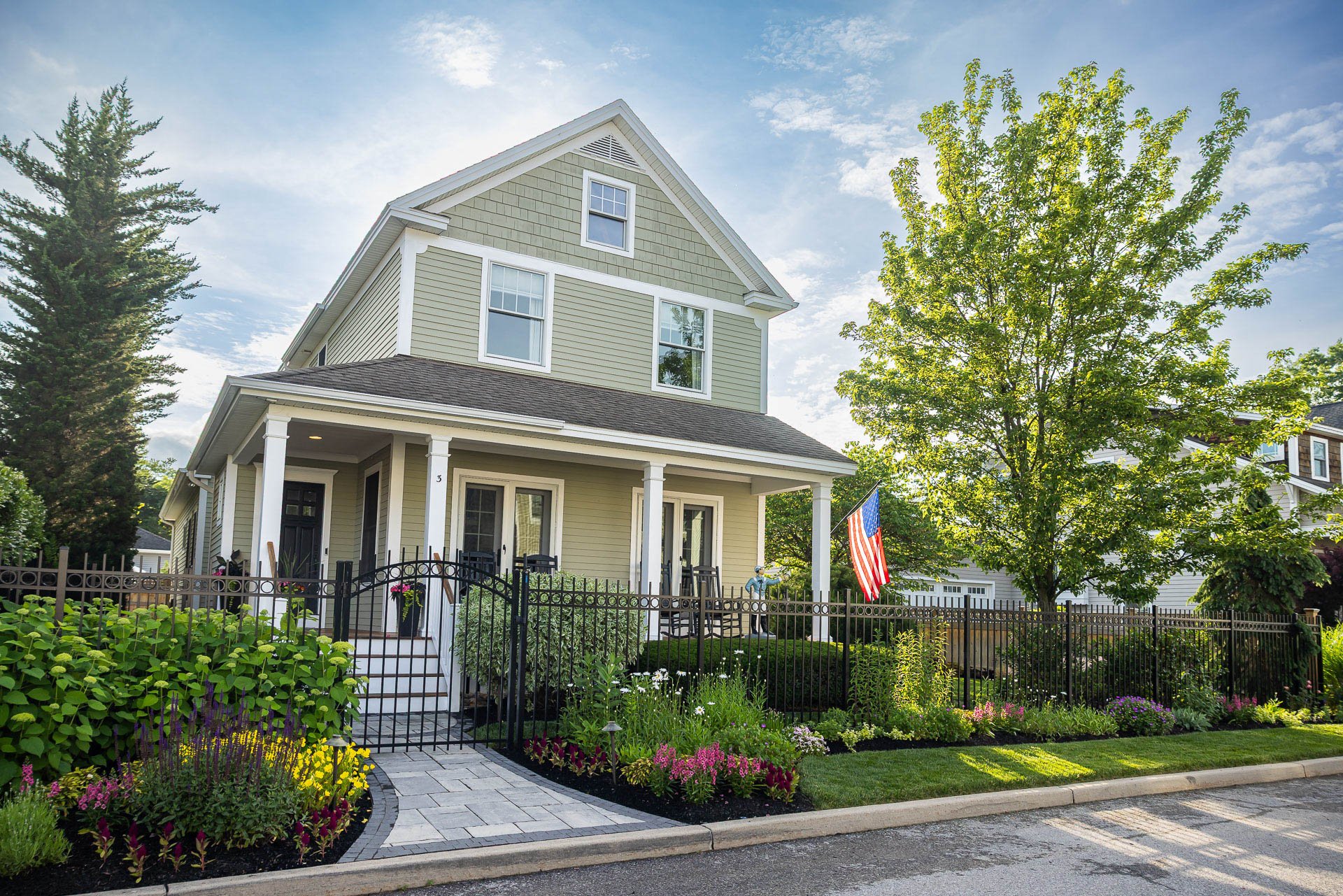
When done correctly, softscaping can provide everything from explosive color to visually intriguing texture. In addition to being beautiful, it can also give your property functionality. Thoughtful usage of softscape elements can make your property and your lifestyle mesh flawlessly.
Key softscape examples include:
- Sod and grassy areas
- Trees and shrubs
- Groundcover and planting beds
- Flowers, including annuals and perennials
- Productive plants, including fruit trees, herbs, vegetables, and more
How Do Hardscaping and Softscaping Work Together?
A comprehensive approach to landscaping always leads to better results. For example, taking aesthetics and functionality into account allows you to envision and execute a landscape with superb curb appeal that also suits your lifestyle preferences. One without the other leaves a lot of potential on the table and could prevent you from fully enjoying your property.
The same principle applies to hardscaping and softscaping. You need both to work in harmony in order for your landscape to reach its full potential. When considering the roles each fulfills, this relationship makes even more sense. Hardscaping tends to create the structure your property needs - defined areas, functional pathways, stability, and so on - while softscaping brings the natural world to life, offering vibrant colors, soft textures, seasonal interest, and more.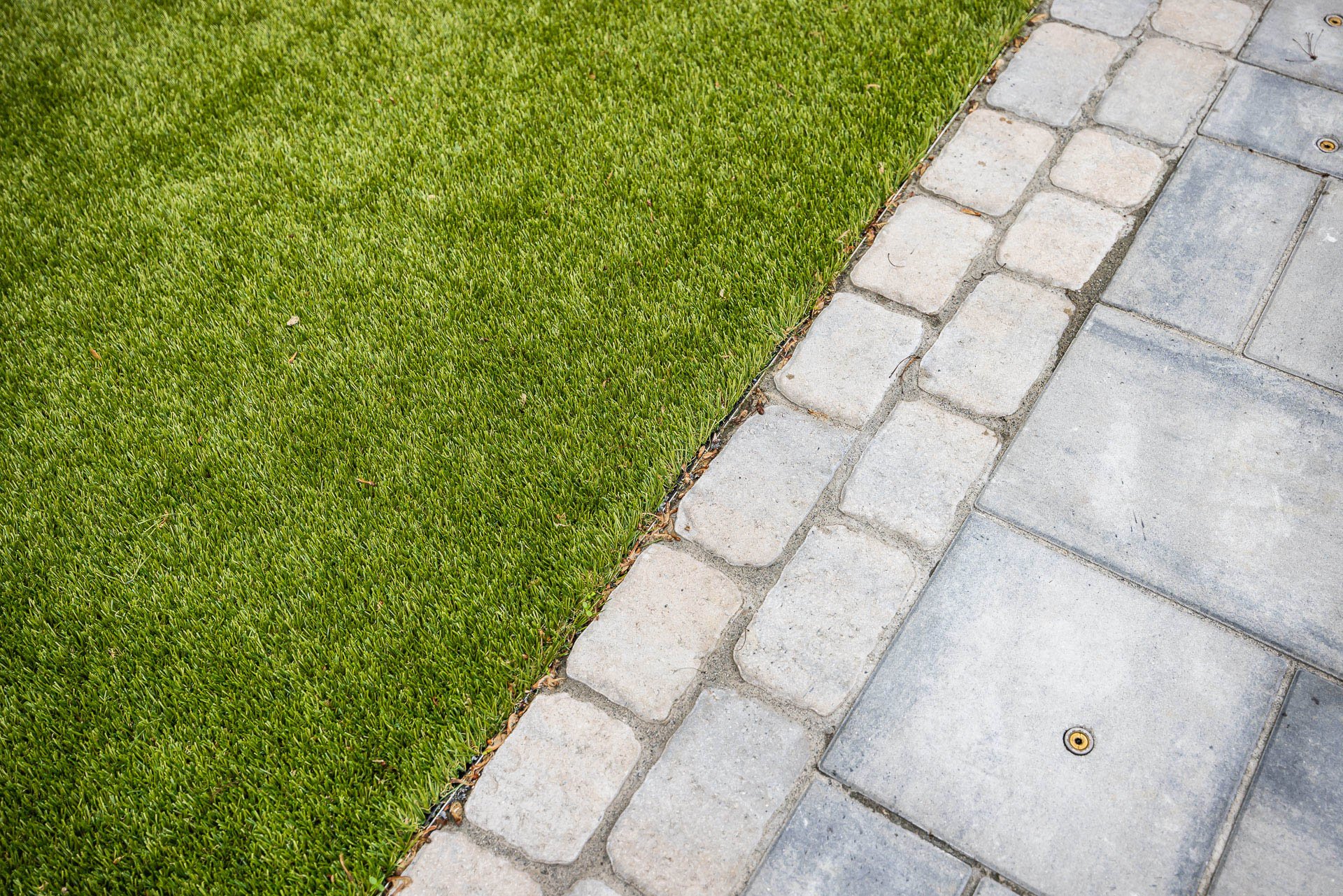
The mixture of artificial and natural, permanent and evolving, functional and beautiful creates a diverse landscape that appeals to all the senses while simultaneously facilitating the activities that you, your family, and your visitors enjoy. In short, you need both hardscape design and softscape landscaping to craft your dream outdoor environment.
How Professional Landscape Designers Combine Hardscape and Softscape
The relationship between hardscaping and softscaping is clear, but that doesn’t mean that it is simple. There is nuance to combining these elements in a cohesive, complementary way, and working with a professional landscape design team can help realize the potential of this combination on your property.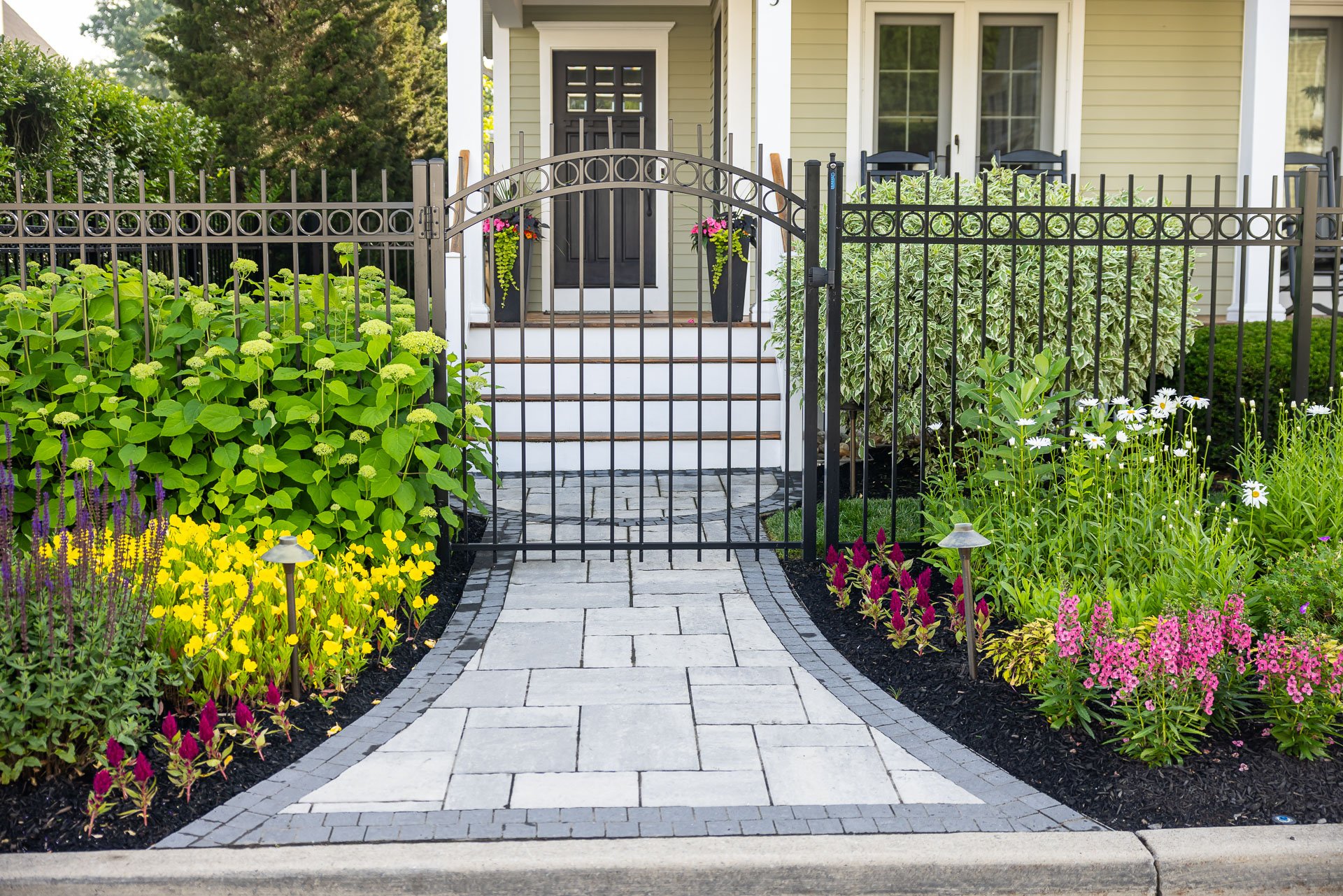
From layering various textures to blending the functional and visual elements of your landscape, a professional landscape designer knows how to meld hardscape design and softscaping to maximize the potential of your unique property, make your landscape fit your lifestyle, and set you up for long-term success.
Maximize Beauty and Functionality
A benefit of working with an in-house design team like Gallivan’s is that they can maximize the beauty of your property while focusing on functionality. This is a difficult balance to achieve, but it is worth the effort and investment.
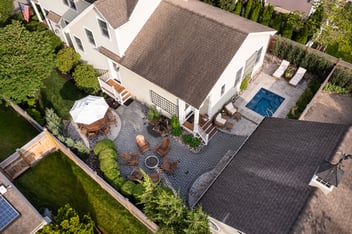
For example, your backyard oasis may include a pool, outdoor kitchen, and firepit. While you could integrate all of these elements in a haphazard way, strategically incorporating them to work with the natural topography of your property and complementing them with softscape landscaping can elevate a basic concept into a true outdoor paradise.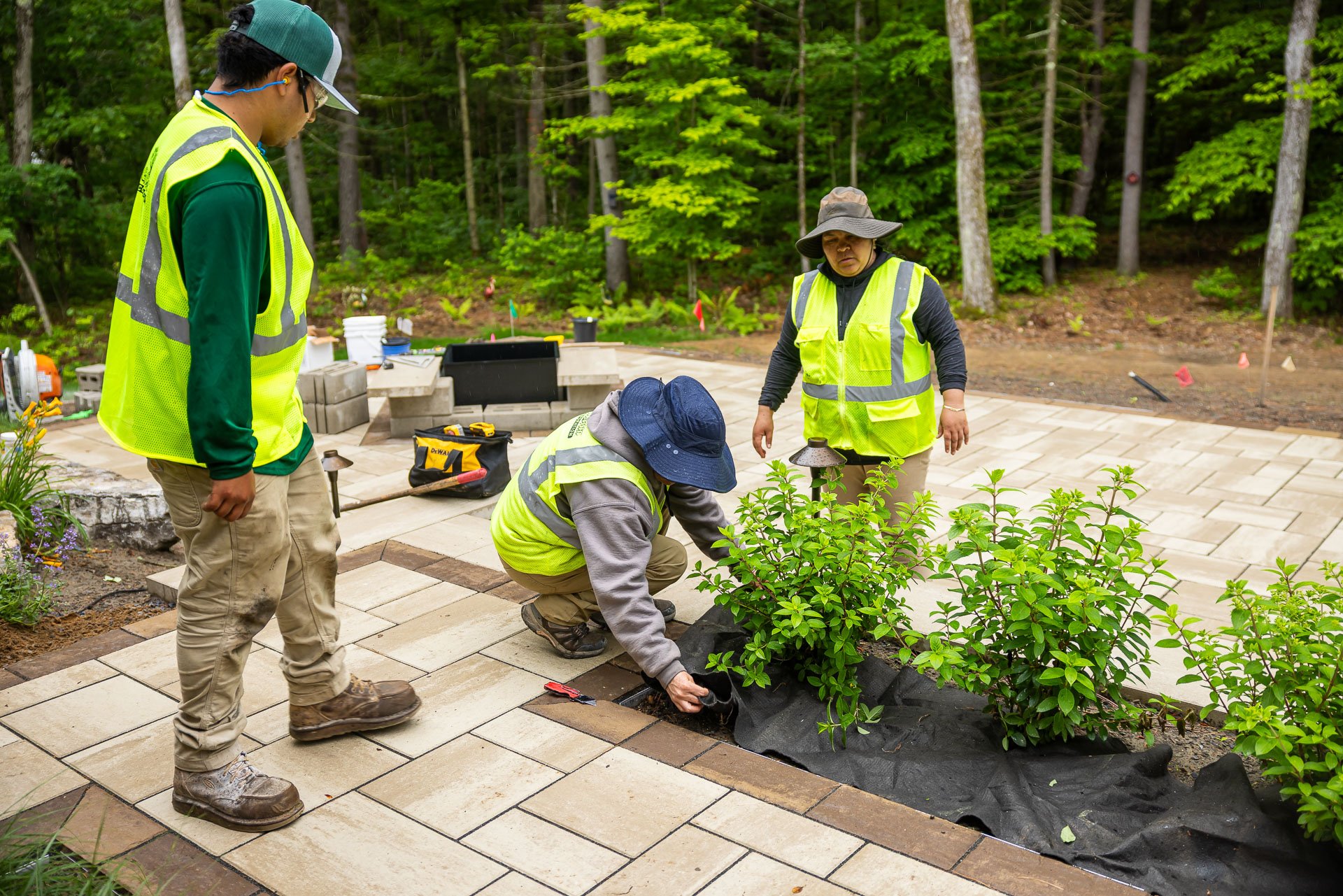
The stone surrounding your pool should be softened by the flower beds bordering your seating area.
The shade trees should provide relief and privacy without obscuring the pool.
The decorative grasses should be a stunning backdrop to your barbecue without disrupting sightlines.
The open grass spaces should be easily accessible via walkways, making them perfect for play and mingling.
Every element influences the others. They share a relationship, and a professional landscape designer understands exactly how to maximize each element’s potential through a combination of hardscaping and softscaping. From technical aspects like proper proportions, complementary elements, and layering, to the more artistic side of the process, a professional designer has the experience and skill to craft a stunning landscape for your home.
Elevated Landscape Design
Can you enjoy a beautiful landscape that is designed and installed without professional assistance? Of course! However, to truly maximize the potential of your property, especially in the case of high-end, larger homes, working with a design team is key to elevating your landscaping.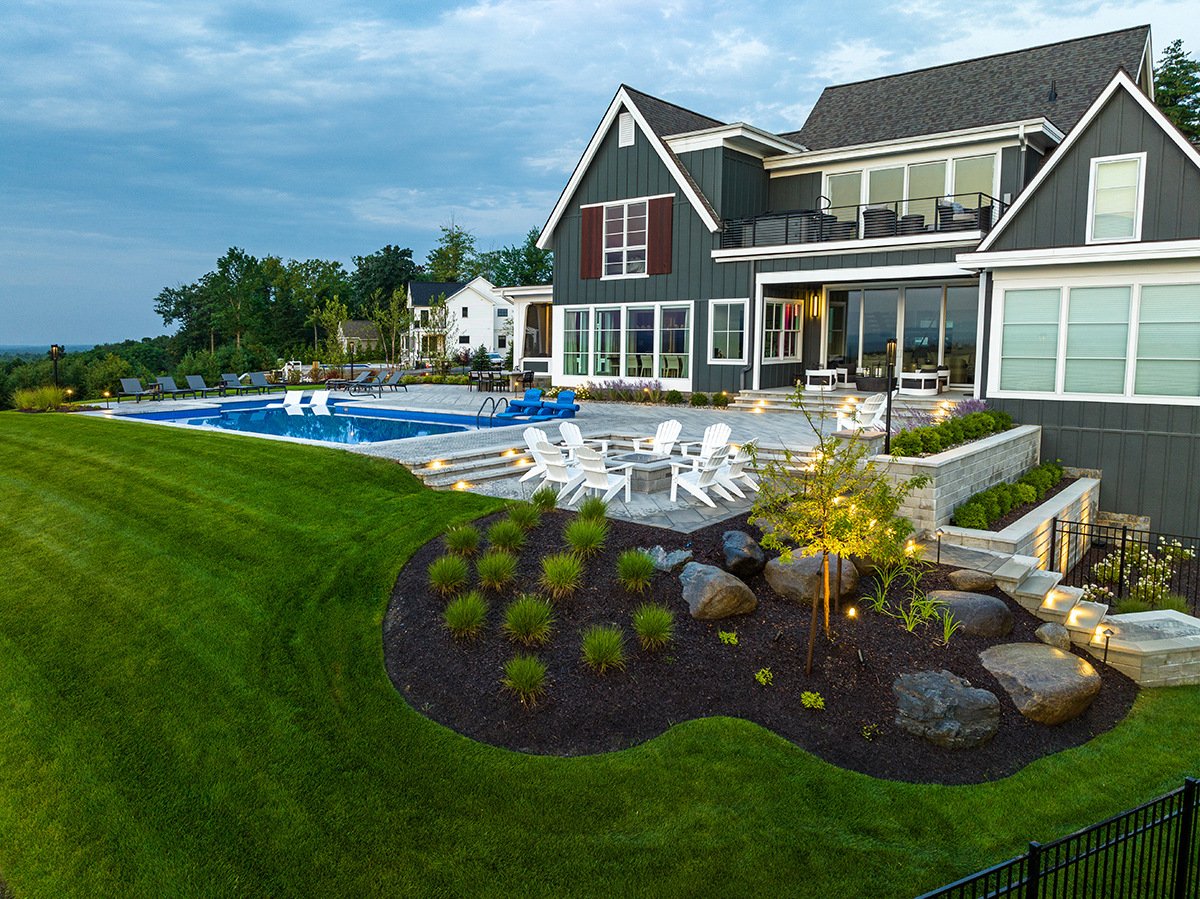
Much of a landscape’s success depends on the details and how those details interact with each other. When it comes to hardscaping and softscaping, the stakes are even higher. Just because something works does not mean that it is as lovely or functional as it could be.
If you desire your landscape to embody the upscale nature of your home and personal tastes, working with a professional landscape designer is the best way to achieve that outcome and enjoy it for years to come.
How to Determine What Balance of Hardscape and Softscape Suits Your Lifestyle
Every property is unique, and your personal preferences and lifestyle choices can also dramatically affect what is ideal for your landscape. If you wish to determine the right balance of softscape and hardscape elements for you, there are a handful of key considerations you should discuss with your design team.
- Climate. The Capital Region of New York comes with its own set of advantages and challenges. Understanding how the climate influences your landscape is essential to the design process.
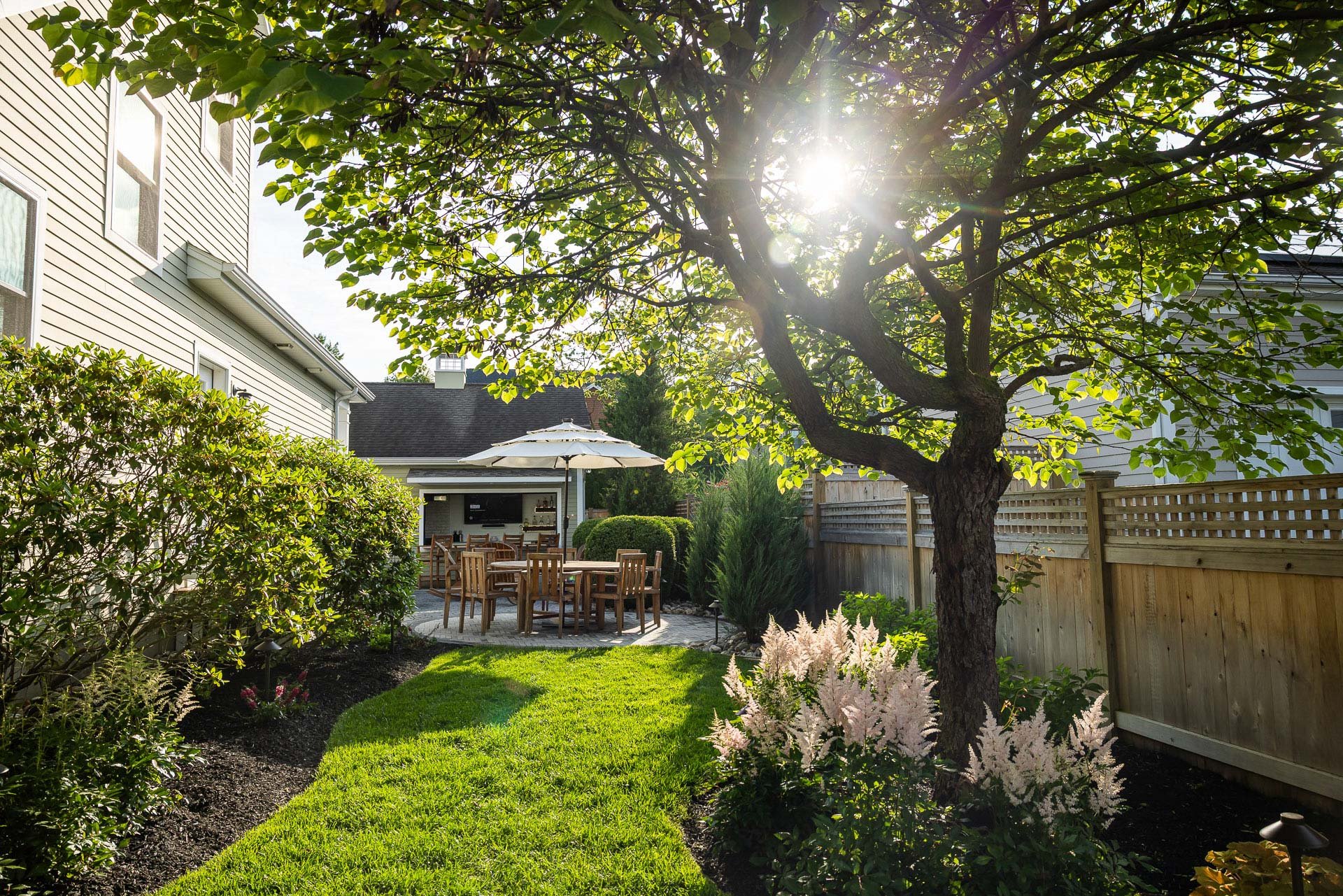
- Functionality. How do you intend to use your outdoor space? Are you active, often using your outdoor areas for recreation and hosting, or are you more interested in immersing yourself in natural beauty and relaxing? A gardener and a socialite have different landscaping needs, so be sure to prioritize your lifestyle when planning your landscape.
- Aesthetics. Different aesthetic preferences demand different combinations of hardscaping and softscaping. If you have a distinct vision of how you want your property to look, communicate that clearly during the design phase.
- Maintenance. If you are uninterested in investing in the constant maintenance and upkeep of your property, you may wish to opt for more hardscape elements. On the other hand, if you enjoy yard work or don’t mind allocating a budget to it, softscaping might be for you.
The Long-Term Value of Working with a Professional to Combine Landscaping Elements
No matter what combination of hardscaping and softscaping your property needs to thrive and meet your aesthetic and lifestyle preferences, working with a professional like Gallivan is the best way to achieve your goals. Thanks to decades of experience in the Capital Region, the advantages of working with a local expert like Gallivan are profound.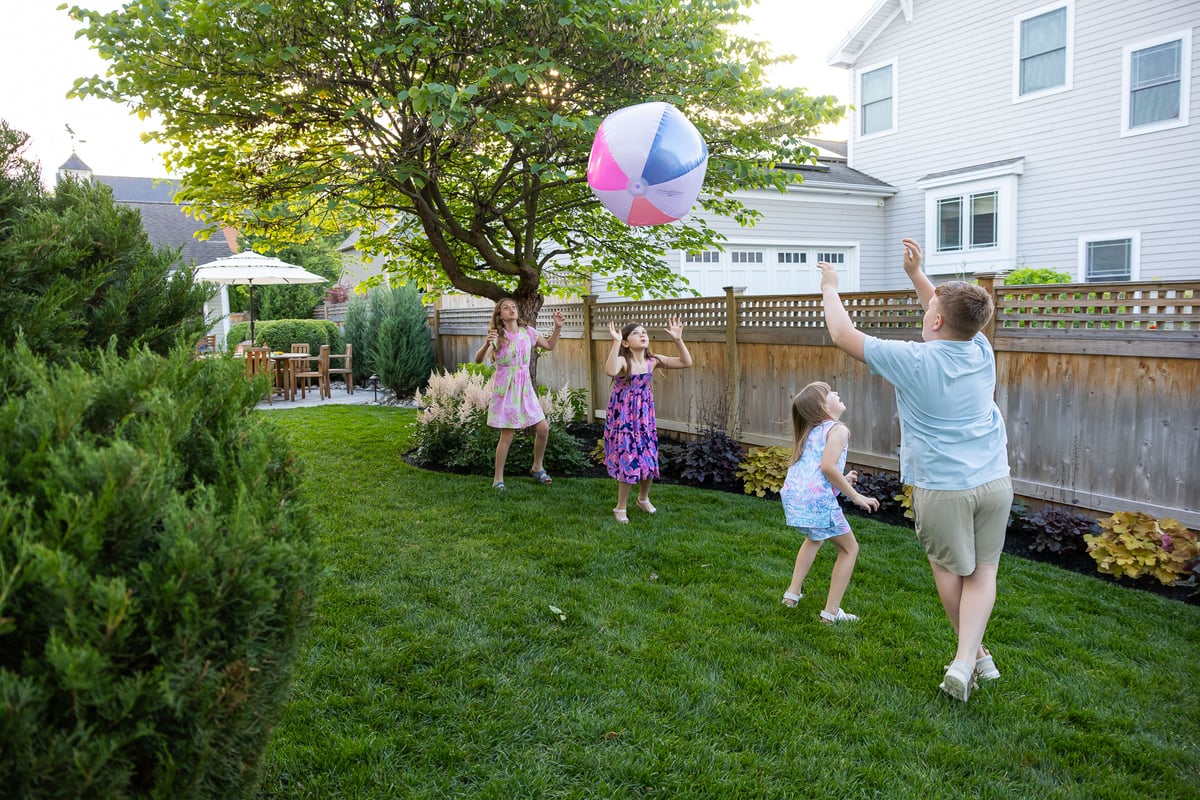
You can enjoy increased property value, avoid expensive mistakes, and enjoy the full potential of your property year-round. It all starts with our in-house design team that will guide you through the process from the seeds of an idea to the fruit of a beautiful, immersive landscape. Fill out our consultation form today to get started.