
Written by: Carl Trinkle
8 min read
While vibrant flowers, stunning architectural elements, and peaceful water features tend to steal the show, it is the details that make all the difference in landscaping. The little things, like strategic lighting and thoughtful maintenance, can elevate your property and be the finishing touch that helps it realize its full potential.
Landscaping rocks and mulch beds are a phenomenal example of this principle. Choosing the right materials for the job, as well as crafting meaningful planting beds in the first place, is key to a cohesive, functional, and beautiful Capital Region property. The question is, when is using stones instead of mulch the right decision?
When talking with one of our designers Richard Disharoon, he told me that mixing things up instead of committing to a single material can be a huge benefit.
"I would say the most common mistake is using 100% mulch or 100% decorative stone. A well-designed landscape should incorporate a mix of the two."
He's always quick to remind me that each has their own use cases.
When it comes to landscape design in the Capital Region and cities such as Saratoga Springs, Albany, and Clifton Park, the answer to this question is largely dependent on your unique property, your goals, and your preferences. Read on to explore the rocks vs mulch debate, learn how to best use different types of mulch, and determine how to set your landscape up for success.
Stones vs Mulch: How to Choose the Right Fit For Your Capital Region Property
The Pros and Cons of Wood Mulch
When to Use Landscaping Rocks Instead of Mulch
Rocks or Mulch: Which is Best for Upstate New York?
Frequently Asked Questions About Rock and Mulch
How to Perfect Your Mulch Beds
Stones vs Mulch: How to Choose the Right Fit For Your Capital Region Property
It may seem like a minute detail in the grand scheme of your landscape, but the choice between landscaping rocks and mulch can make a tremendous impact. Your aesthetic preferences will play a major role in your selection, of course, but there is far more to the decision than simple appearances.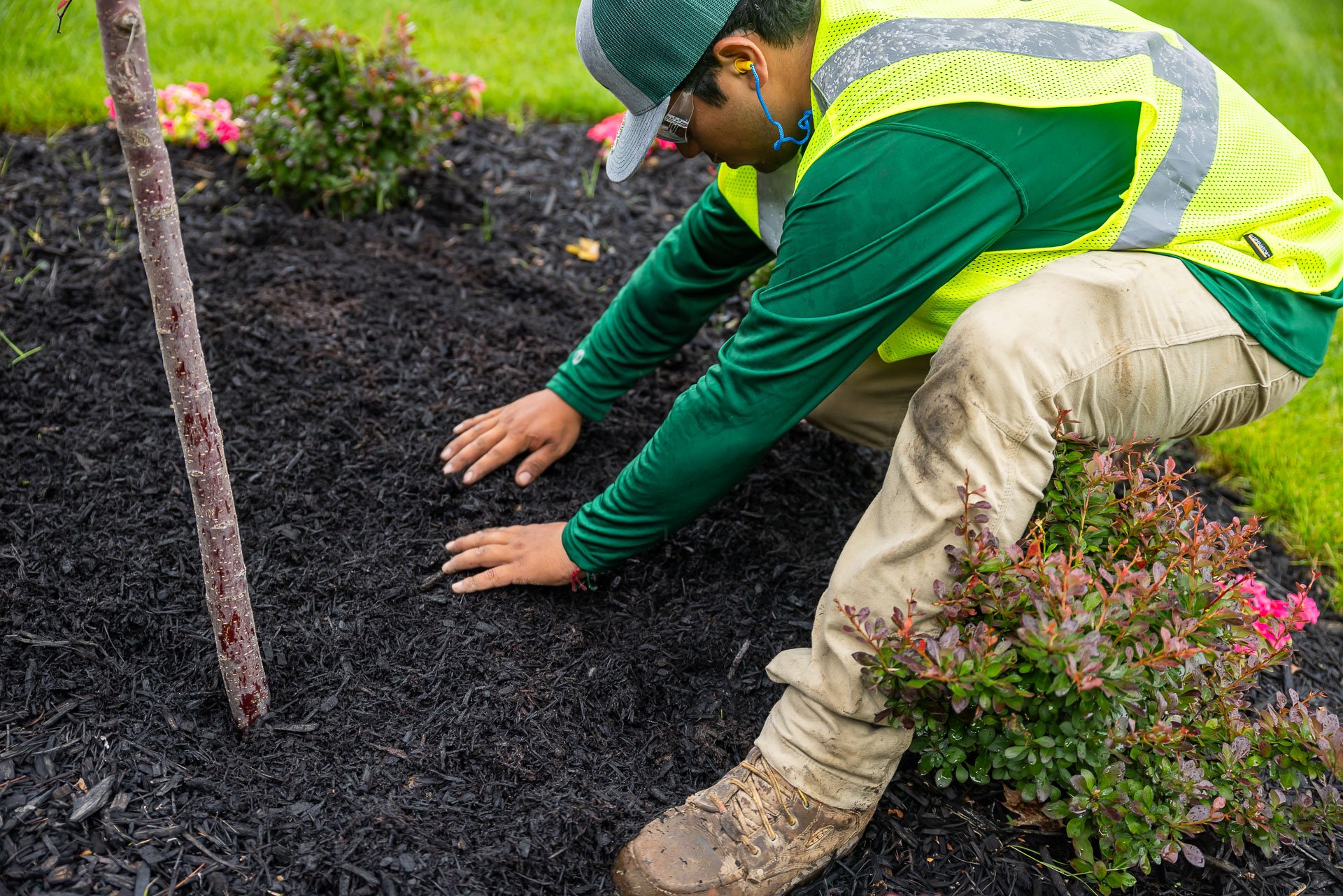
From budget constraints and maintenance demands to plants’ needs and climate concerns, there are a myriad of important factors to consider when choosing between different types of mulch. While we ultimately recommend working with a local landscaping company to ensure that your property receives the treatment it requires to thrive, the following guide should provide you with the foundational knowledge to make informed choices and select the best materials for your mulch beds.
The Pros and Cons of Wood Mulch
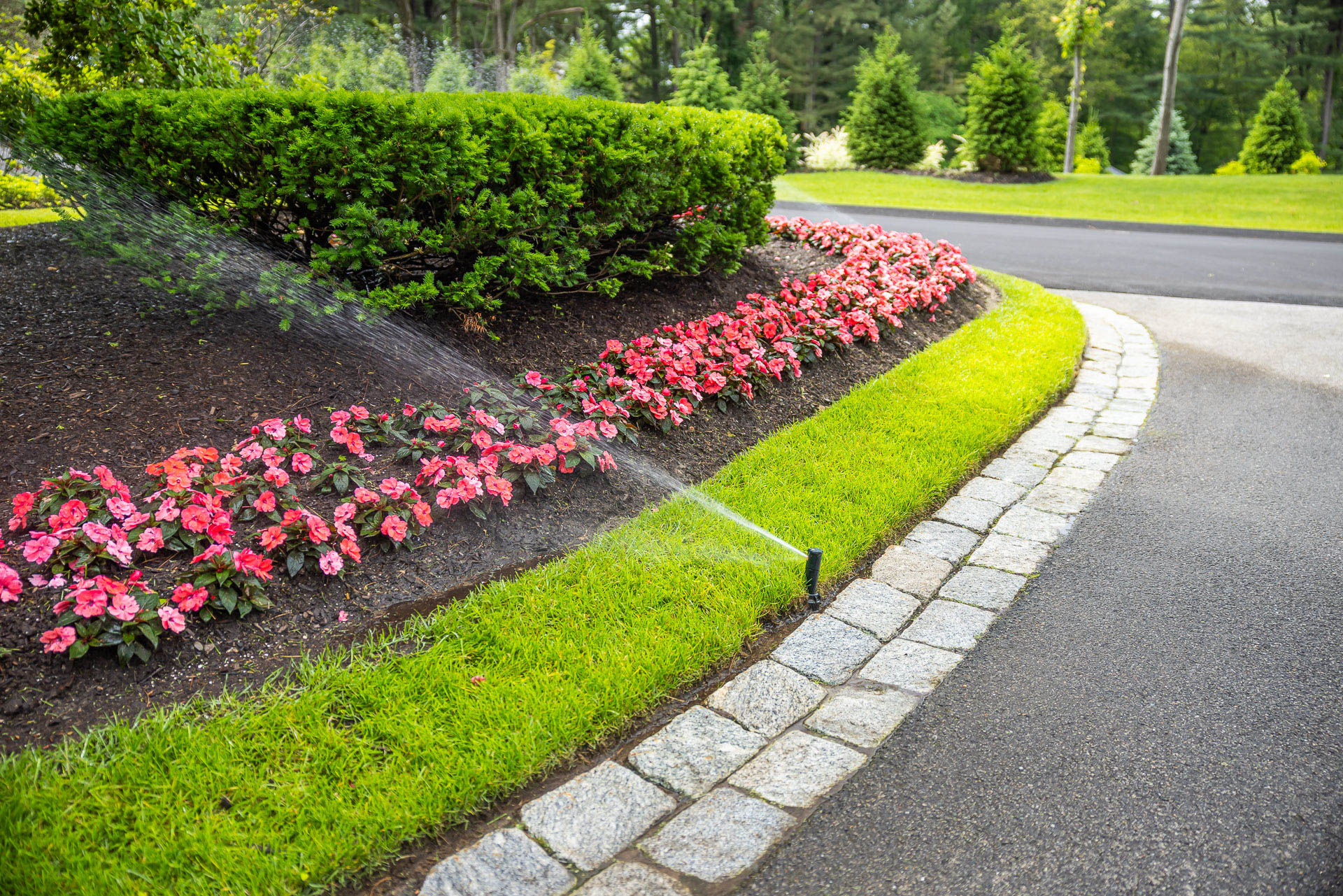
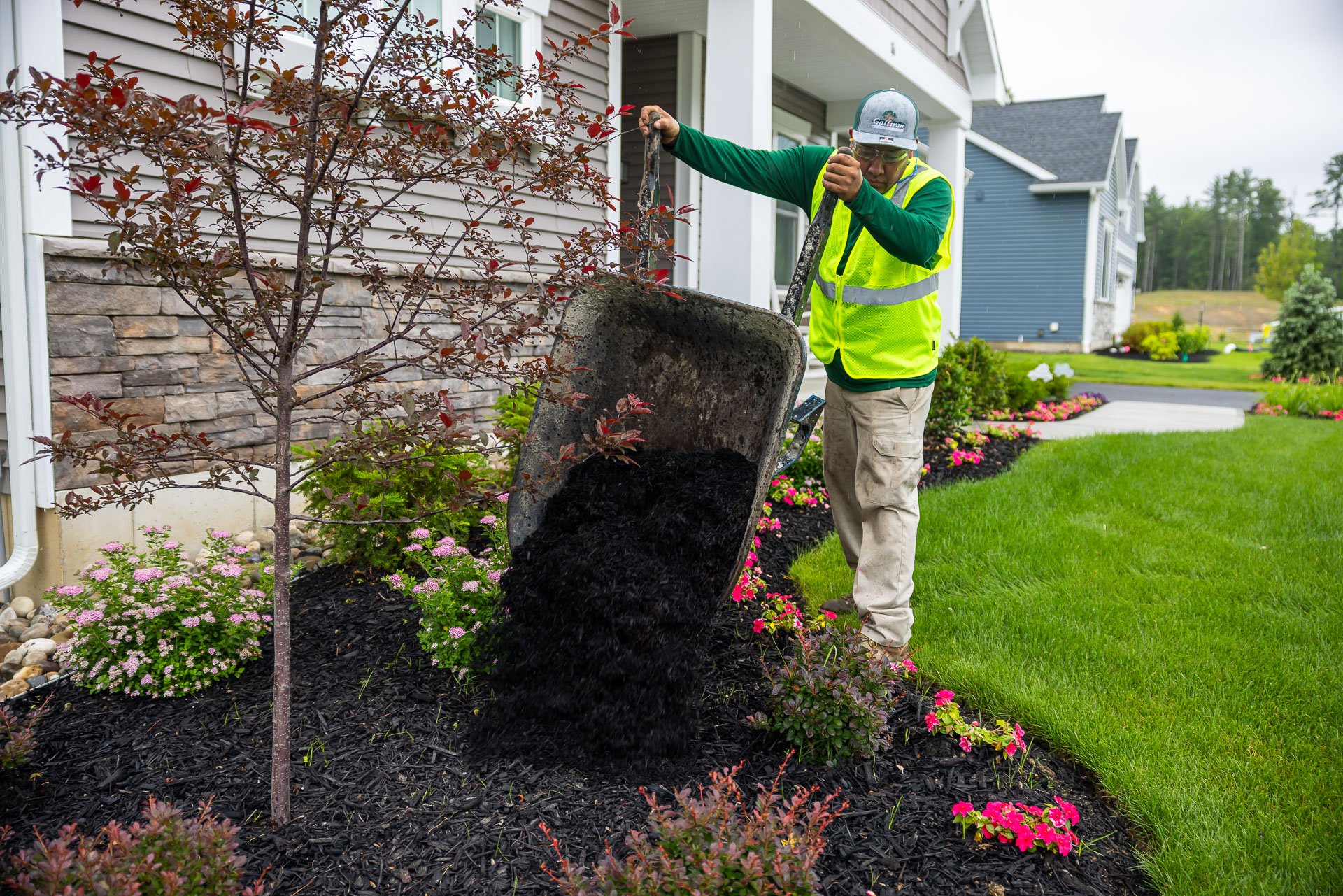
When it comes to the topic of mulch, most people immediately think of wood chips. Wood mulch is the most common type of mulch for many reasons. Its popularity corresponds with a host of compelling benefits that make this traditional mulching material a fantastic choice for many use cases.
The Pros of Wood Mulch
- Weed control. Of the many advantages of using wood mulch, the ability to suppress weeds is among the most important. A good layer of mulch prevents weeds from taking root and growing by blocking their access to sunlight.
- Temperature regulation. The Capital Region is no stranger to wildly shifting temperatures, and wood mulch can help plants endure the highs and lows of our climate. The insulation provided by wood mulch helps regulate the temperature of the soil, preventing roots from getting too hot or too cold.
- Moisture retention. If you want to cut down on your watering bill without watching your plants suffer, wood mulch can help. It retains moisture in the soil and reduces evaporation, leading to less frequent watering.
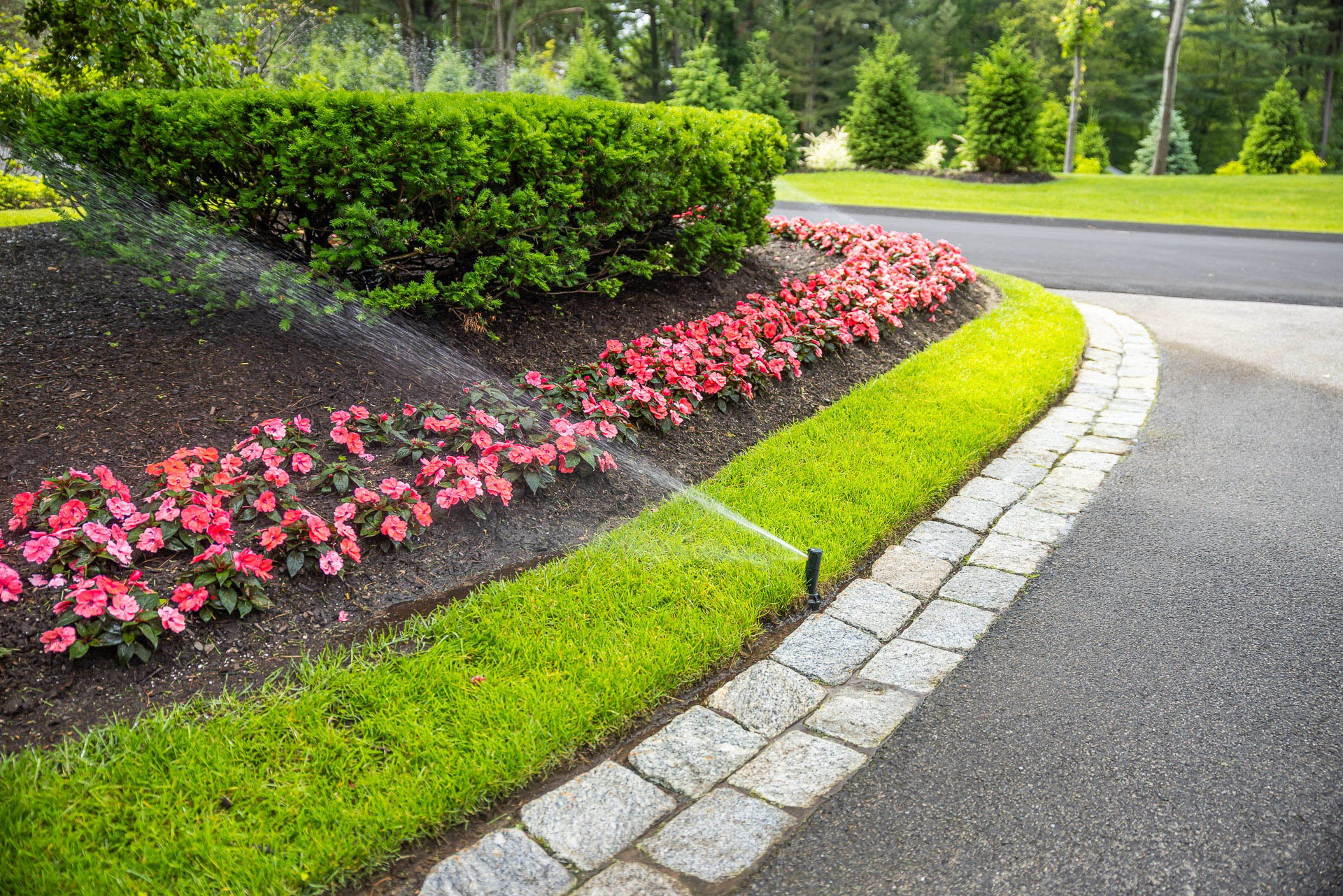
- Soil nutrition. As wood mulch breaks down and decomposes, it provides the soil with valuable nutrients. This promotes healthier soil and healthier plants; talk about a win-win!
- Cost. Depending on the variety of wood mulch you select, it is typically inexpensive, making it a budget-friendly option that looks and performs very well.
- Erosion control. Like other forms of mulch, wood mulch helps prevent soil runoff, protecting your plants and property from erosion.
The Cons of Wood Mulch
- Pests. Traditional wood mulch can attract and harbor pests, which could harm your plants.
- Disease and mold. Because mulch retains moisture, disease and mold can develop. If the mulch is piled against stems and trunks, this disease and mold could make its way onto your plants and trees.
- Maintenance. Because mulch is an organic material that will break down over time, it must be reapplied on a regular schedule. In other words, wood mulch is a long-term commitment to regular maintenance and replacement.
When to Use Landscaping Rocks Instead of Mulch
Traditional wood mulch is a popular choice for many homeowners in the Capital Region, but there are times to opt for rocks instead of mulch. If you want a durable, long-lasting mulch alternative that has its own set of benefits, choosing landscaping rocks is a wonderful idea.
The Pros of Rock Mulch
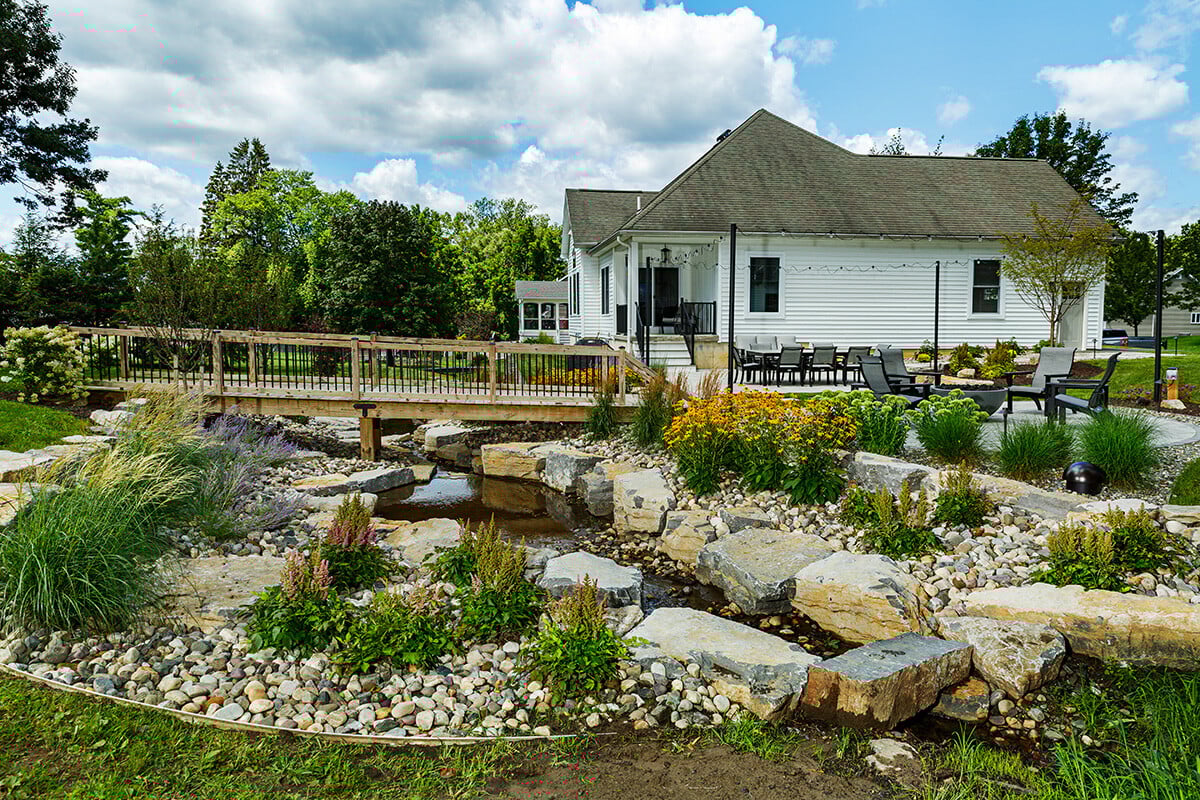
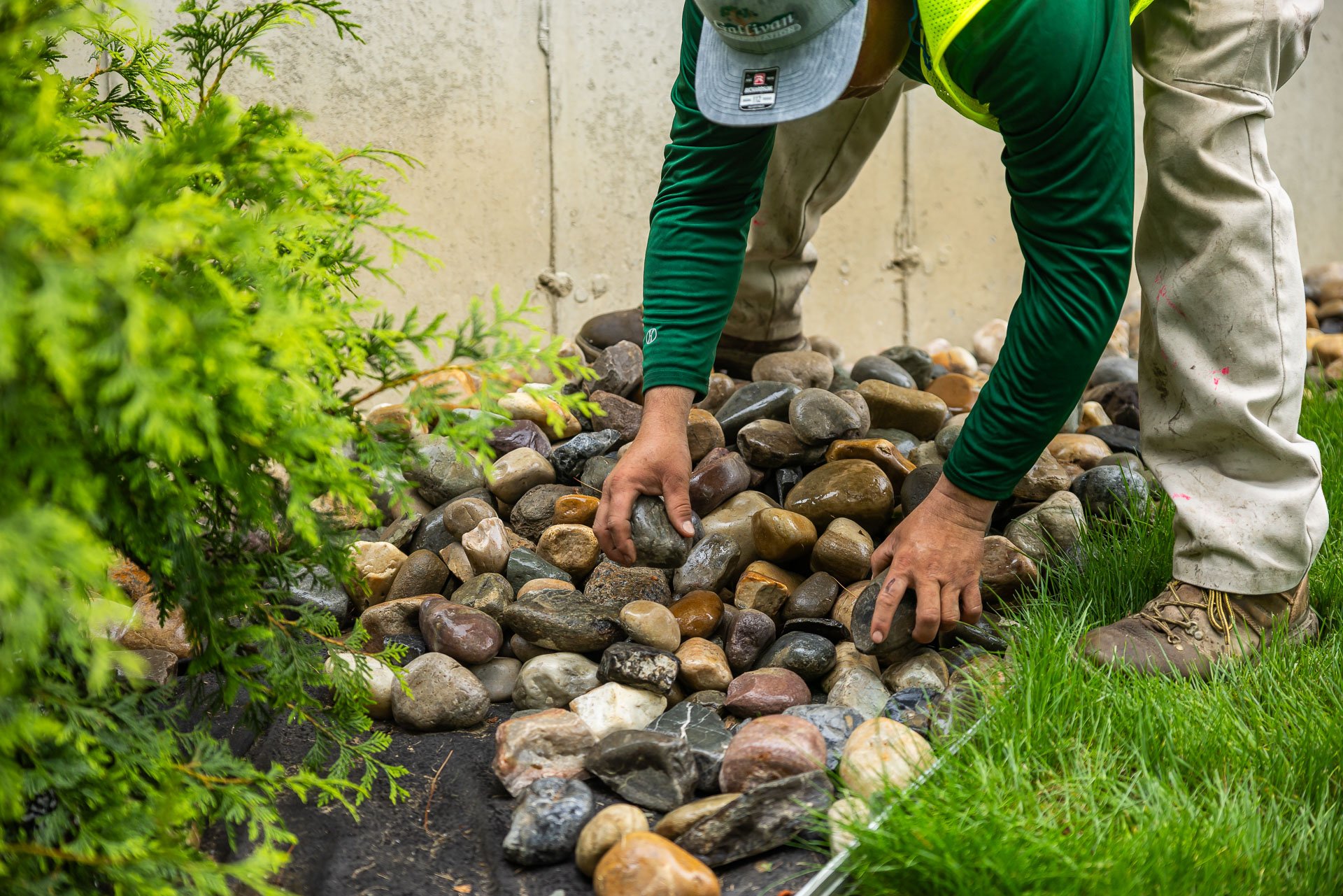
- Durability and longevity. Landscaping rocks are (spoiler alert) rocks. They can stand up to inclement weather, stay rooted when high winds hit, and remain largely unchanged throughout the years. They rarely require maintenance or replacement.
- Low maintenance. Unlike traditional mulch that needs to be replaced on a schedule, landscaping rocks require little to no maintenance outside of the occasional cleaning.
- Pests. Using stone instead of mulch acts as a pest deterrent, saving you from the headache of infestations and the expense of eradicating them.
- Weed control. While not as effective as traditional mulch (weeds can still come up through the cracks), landscaping rocks do help prevent weeds. They also hold up to weed control sprays more effectively.
- Erosion prevention. Landscaping stones are great at limiting erosion and preventing water from exposing roots, affecting foundations, and so on.
The Cons of Landscaping Rocks
-
Expense. Opting for rocks instead of mulch carries a hefty price tag, as the initial cost of materials is much higher. There is a large variety of blends available and prices can vary based on supply.
-
Labor-intensive. If you ever choose to change your landscape design or remove the rocks, you can expect a labor-intensive project. Rocks are heavy, cumbersome, and difficult to move around.
-
Soil health. Rocks do not break down or offer nutrients to the soil, making mulch a superior option in this regard.
-
Heat retention. In hot climates or sunny areas, landscaping rocks can absorb and transfer heat, causing damage to plants and their roots.
Rocks or Mulch: Which is Best for Upstate New York?
When comparing different types of mulch, much of the conversation centers around your preferences and priorities. Outside of very specific scenarios, such as having certain plants that benefit from a particular type of mulch, the stones vs mulch dilemma can be solved by considering your needs and tastes, as well as consulting a professional landscaper.
As a general rule, you should opt for mulch if you want to keep this portion of your budget under control, prefer the classic aesthetic of wood mulch, and don’t mind the uptick in maintenance that organic mulch demands.
Using stone instead of mulch is best for homeowners in the Capital Region who prefer minimal maintenance, enjoy the permanence of stone, and lean toward a more modern curb appeal. This is especially true of river rock and decorative stone, though crushed stone and gravel do have their place in a strategic landscape design.
Rocks Vs. Mulch: Our Frequently Asked Questions
Does mulch really help with weed control?
Yes! Different types of mulch control weeds to varying degrees, with wood mulch suppressing weeds more effectively than rock mulch options.
Where should I avoid using stone?
While stone can be used in very similar ways to wood mulch, you should avoid using it directly against trunks, areas with poor soil, near foundations, and around plants that need more moisture.
What is the cheaper option between stone and mulch?
Using stone instead of mulch comes with a much higher initial expense; however, wood mulch requires consistent replacement, causing costs to accumulate over time. The final cost comparison is difficult to assess, as it would take several years for mulch to match or exceed the upfront investment in stone.
Which is better for sloped areas, rocks or mulch?
As a general rule, rock is better for slopes than mulch. This is primarily due to mulch being light enough to wash away more easily. Sometimes, a hybrid approach that uses both stone and mulch may be used.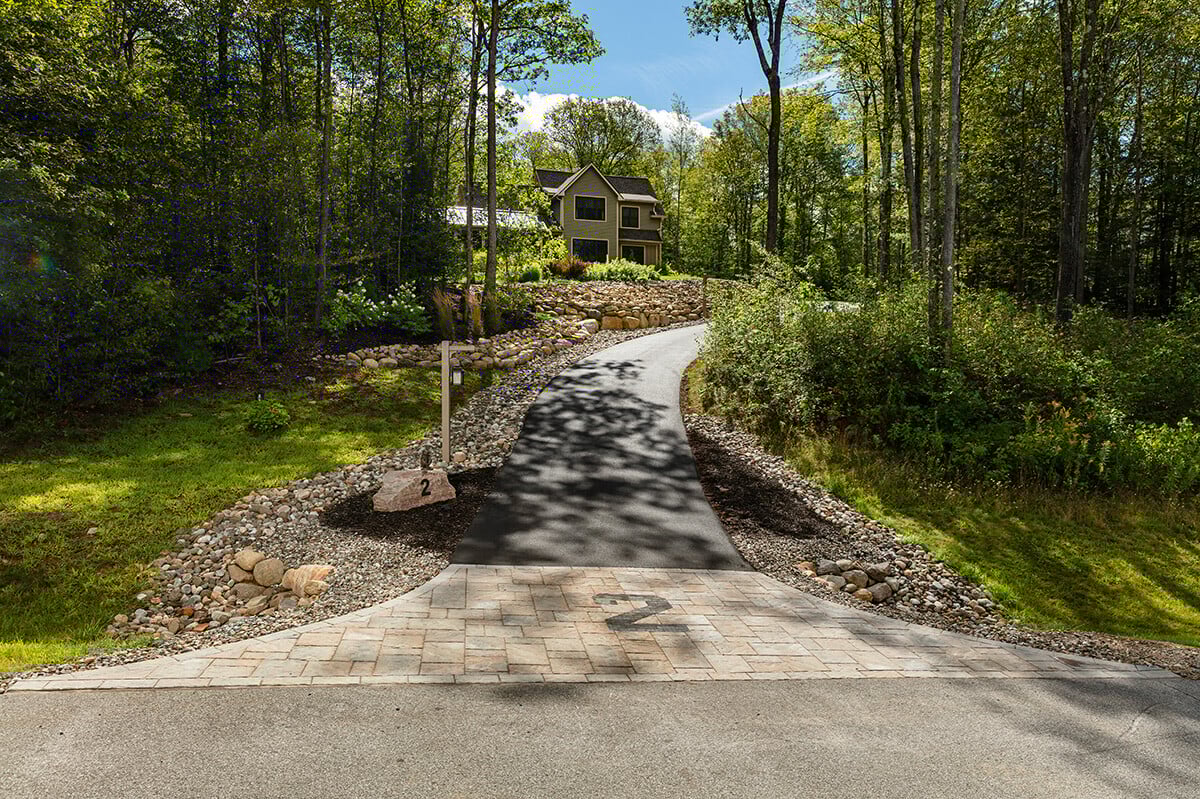
Will my choice affect the health of my plants?
Outside of very specific plants (like cacti or succulents, for example) and extremely wet areas, mulch is better for plant health than stone. Wood mulch improves soil health through decomposition, regulates soil temperature, retains moisture, and prevents weeds.
How to Perfect Your Mulch Beds
Every property is unique, and tailoring your landscape design to your personal preferences, use scenarios, plant life, and more, is key to unlocking your home’s full potential and maintaining a high level of excellence year after year.
The rock vs mulch debate plays a larger role in the overall aesthetic and health of your landscape than many realize, and working with a local landscaping company helps you perfect your mulch beds according to your personal needs and tastes.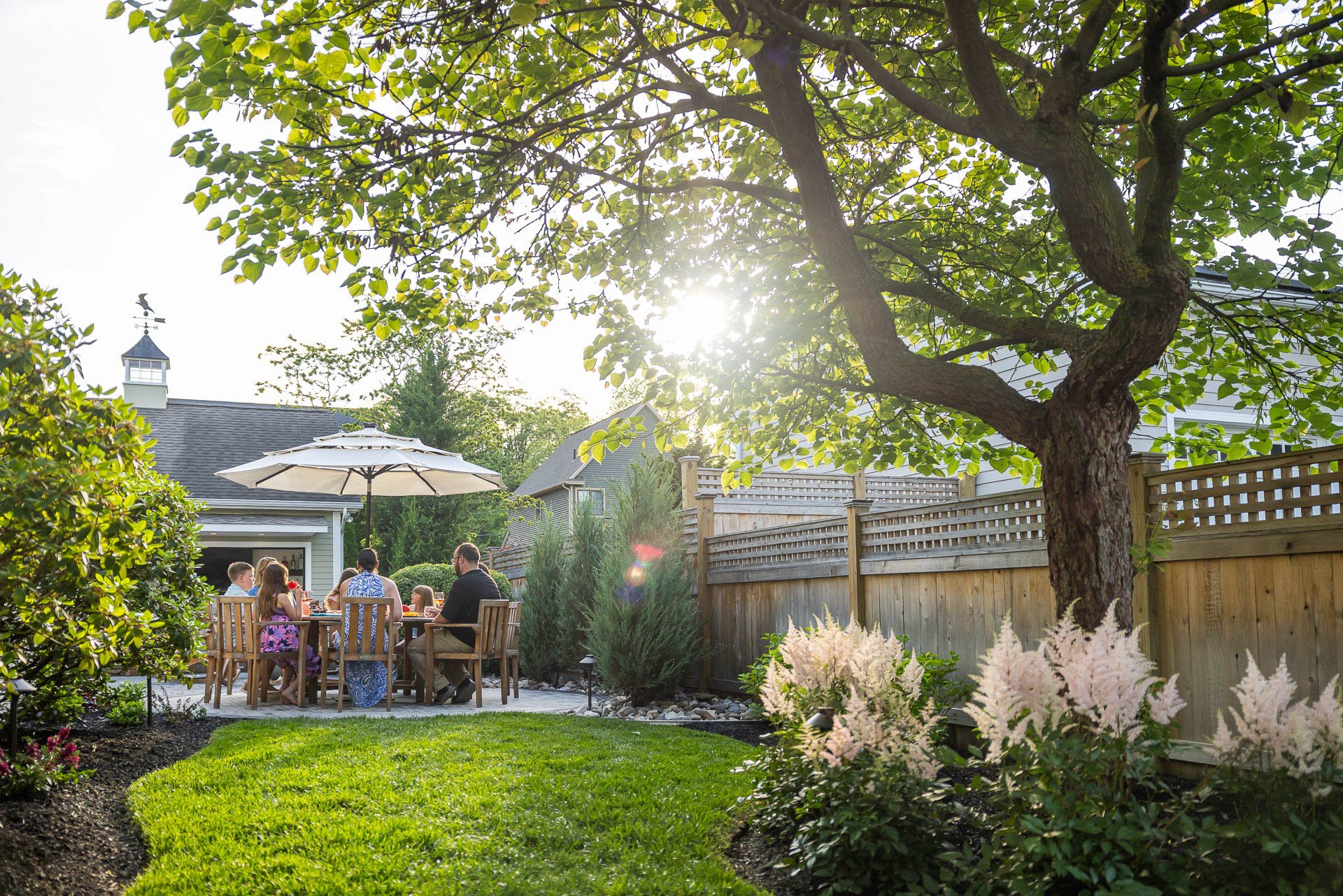
With over three decades of experience in the Capital Region, Gallivan has the knowledge to elevate even the minute details of your landscaping, mulch included. Reach out to our team of experienced landscape professionals today by filling out our consultation form to begin discussing your dream property and see it come to life.