
Written by: Bryan Anderson
9 min read
In the Capital Region, landscaping dreams tend to be big – for good reason. Between historic Saratoga Springs homes, newer Clifton Park neighborhoods, and the diverse terrain around Albany and the surrounding towns, properties here offer homeowners enormous potential and opportunity for thoughtful outdoor design.
But that potential can quickly feel overwhelming.
When homeowners start envisioning a full landscape design project, front yard curb appeal, backyard living spaces, side yard functionality, drainage fixes, lighting, plantings, and more, the question often isn’t what they want.
It’s how to realistically get there without blowing the budget, rushing decisions, or living in a construction zone for years.
That’s where phasing your landscape project comes in.
Phasing allows you to break a large or complex landscape planning and design vision into manageable, intentional steps without sacrificing quality, flow of the project, or long-term value.
And in the Capital Region, it’s not just a smart option that fits some people's budgets. It often ends up being the most practical one.
Jump To:
Why Phasing a Landscape Project Makes Sense in the Capital Region
Start With the Full Vision: Why a Master Plan Matters
Common Landscape Project Phases for Capital Region Properties
Smart Planning Tips for Phasing a Landscape Design Project
What Happens When Phasing Isn’t Planned Properly?
How Gallivan Successfully Phases Large Landscape Projects
Frequently Asked Questions About Phasing a Landscape Design Project
Building Your Landscape the Right Way, One Phase at a Time
Why Phasing a Landscape Project Makes Sense in the Capital Region
In our time as landscapers, here's what we know to be true – everyone wants the final product. 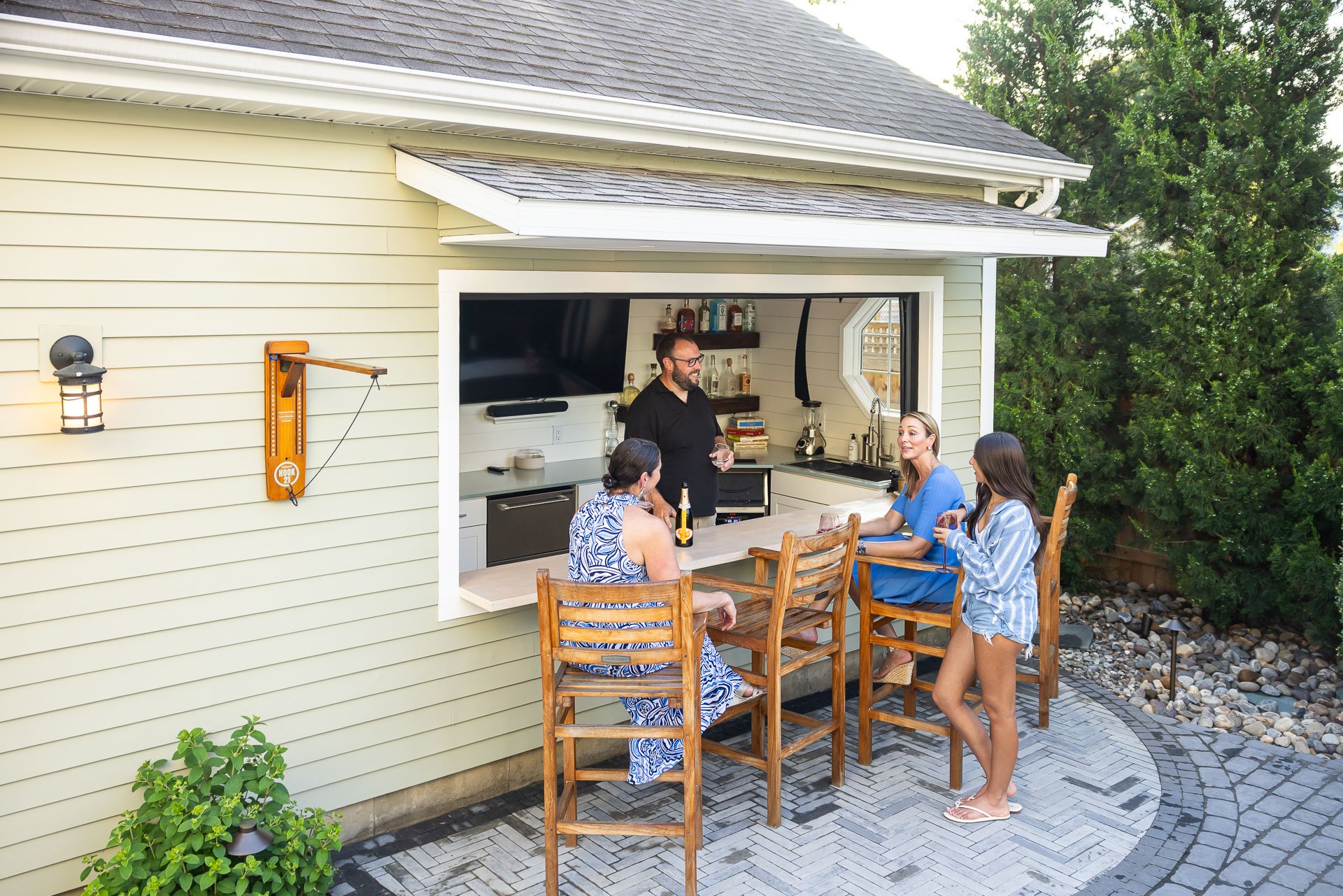
You know what we mean, right? The fully realized front yard landscape. The backyard built for hosting summer parties after track season in Saratoga or fall gatherings before the snow hits. The side-of-house landscaping that finally fixes those pesky drainage issues and creates usable access.
But doing everything at once isn’t always realistic.
In speaking with my colleague and fellow Gallivan designer, Richard Disharoon, we agreed that phased landscape projects are incredibly common, especially for homeowners balancing long-term plans with near-term investments.
“Yes, it is very common to phase out larger master plans,” Richard explains. “This is all dependent on each client’s needs. Are we looking for a set initial investment, or is this our forever home and a larger long-term investment?”
In the Capital Region, phasing makes sense because:
-
Winters shorten the construction season
-
Freeze–thaw cycles demand careful sequencing
-
Many properties require drainage or grading before aesthetics
-
Homeowners often want to spread investment over multiple years
And here's the most important disclaimer we can share – phasing doesn’t mean cutting corners. When phasing is done correctly, it results in a landscape that feels cohesive at every stage, something that feels "finished" before the final phase is ever complete.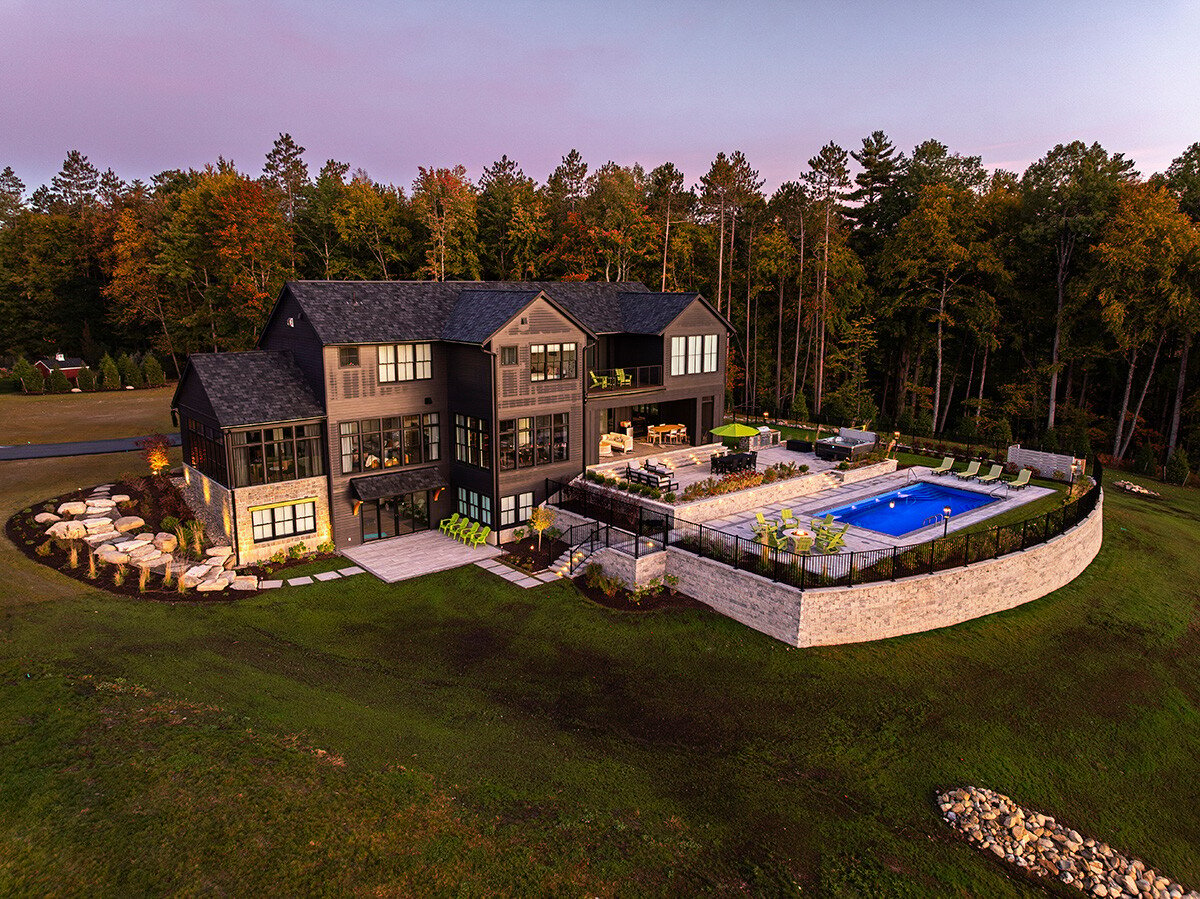
Start With the Full Vision: Why a Master Plan Matters
If you take nothing else from this guide (or from us), remember this:
You should always design the entire landscape before installing any phase.
“Always start with a master plan,” Richard says. “You want everything to be fully developed before ever putting a shovel in the ground.”
This is especially critical in Capital Region landscapes, where elevation changes, drainage patterns, and soil conditions can drastically affect long-term performance.
A comprehensive landscape design planning process ensures:
-
Your front yard, backyard, and side yard work together
-
Hardscaping aligns with future planting plans
-
Infrastructure supports future phases
-
Nothing needs to be torn out or redone
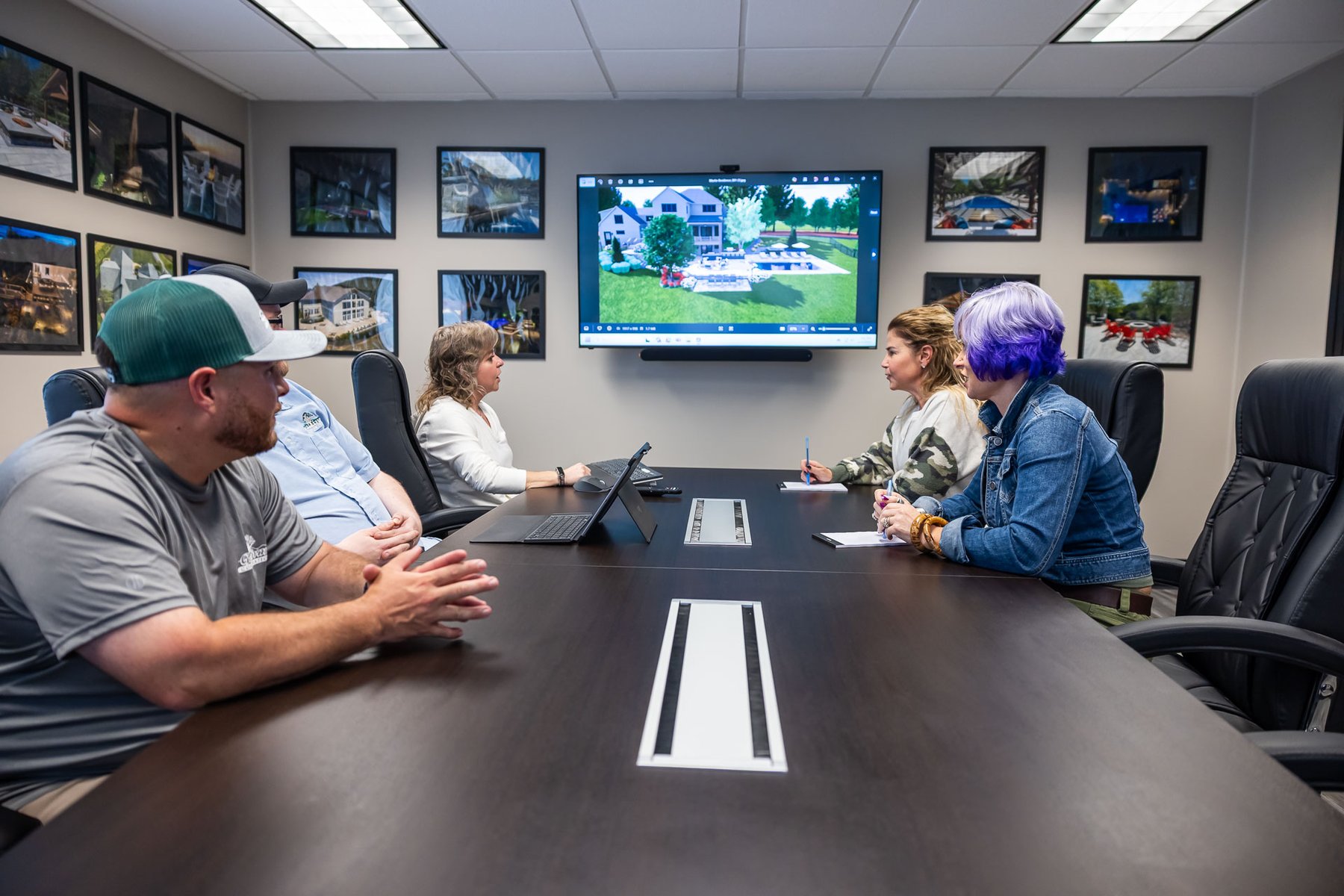 Gallivan also takes the extra step of pricing the entire project upfront, even when it will be installed in phases.
“You should also have a master budget,” Richard says. “We will price out the entire project even if we are going to phase it. You want to know what the final investment costs will be so there are no surprises.”
That kind of transparency and plan helps homeowners plan realistically, no matter what they're prioritizing – home value, long-term enjoyment, or retirement goals.
Common Landscape Project Phases for Capital Region Properties
While no two properties are identical, most phased landscape projects in the Capital Region follow a similar logic.
Phase One: Front Yard Landscape & Curb Appeal
For many homeowners, the front yard is the first priority. And to us, it's often the smartest place to start.
Capital Region front yards frequently involve:
-
Walkway and entry upgrades
-
Regrading for drainage away from foundations
-
Foundation plantings that survive harsh winters
-
Lighting for early sunsets and long winter nights
A strong front yard landscape improves your daily experience and sets the tone for everything that follows.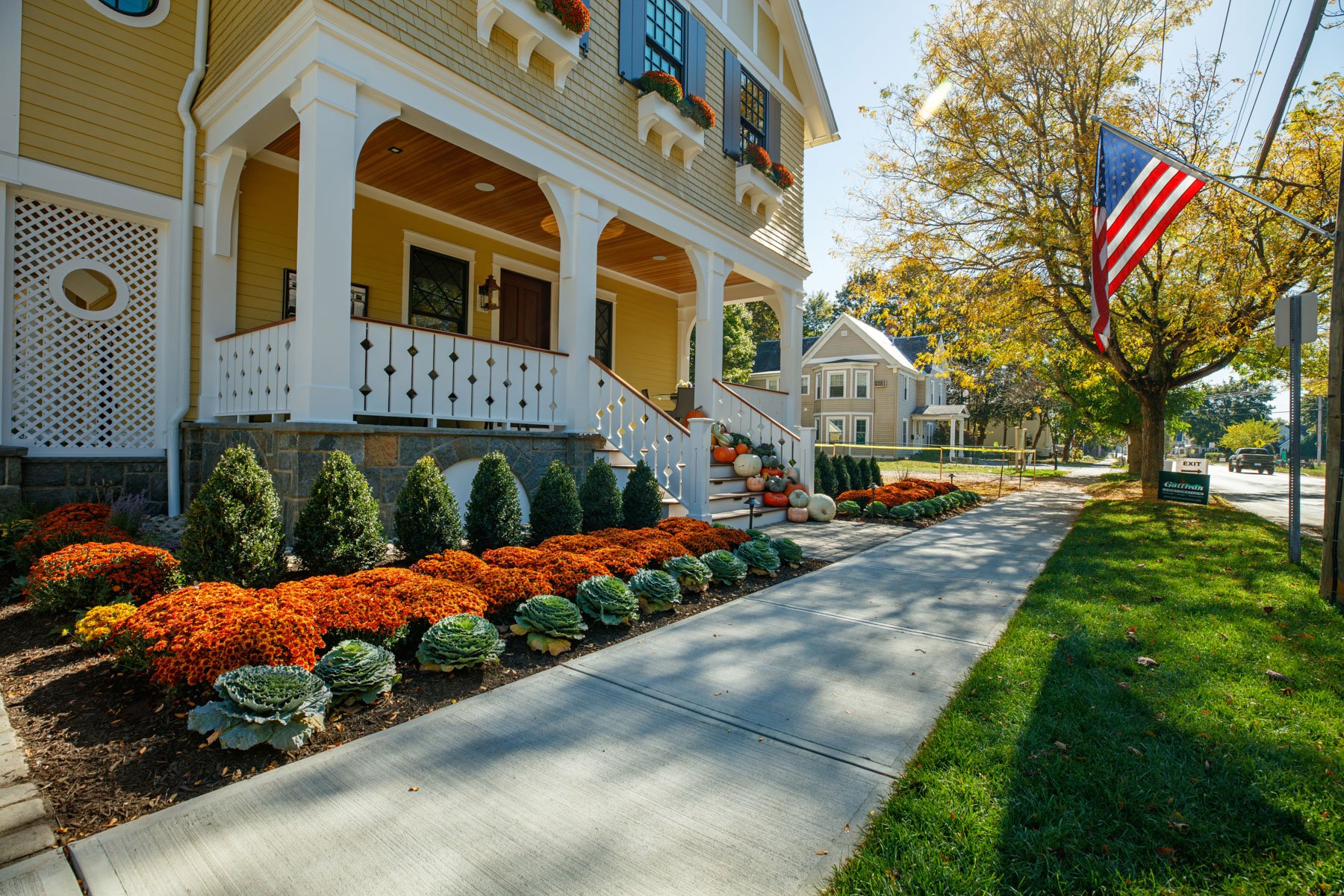
Phase Two: Backyard Landscape & Outdoor Living
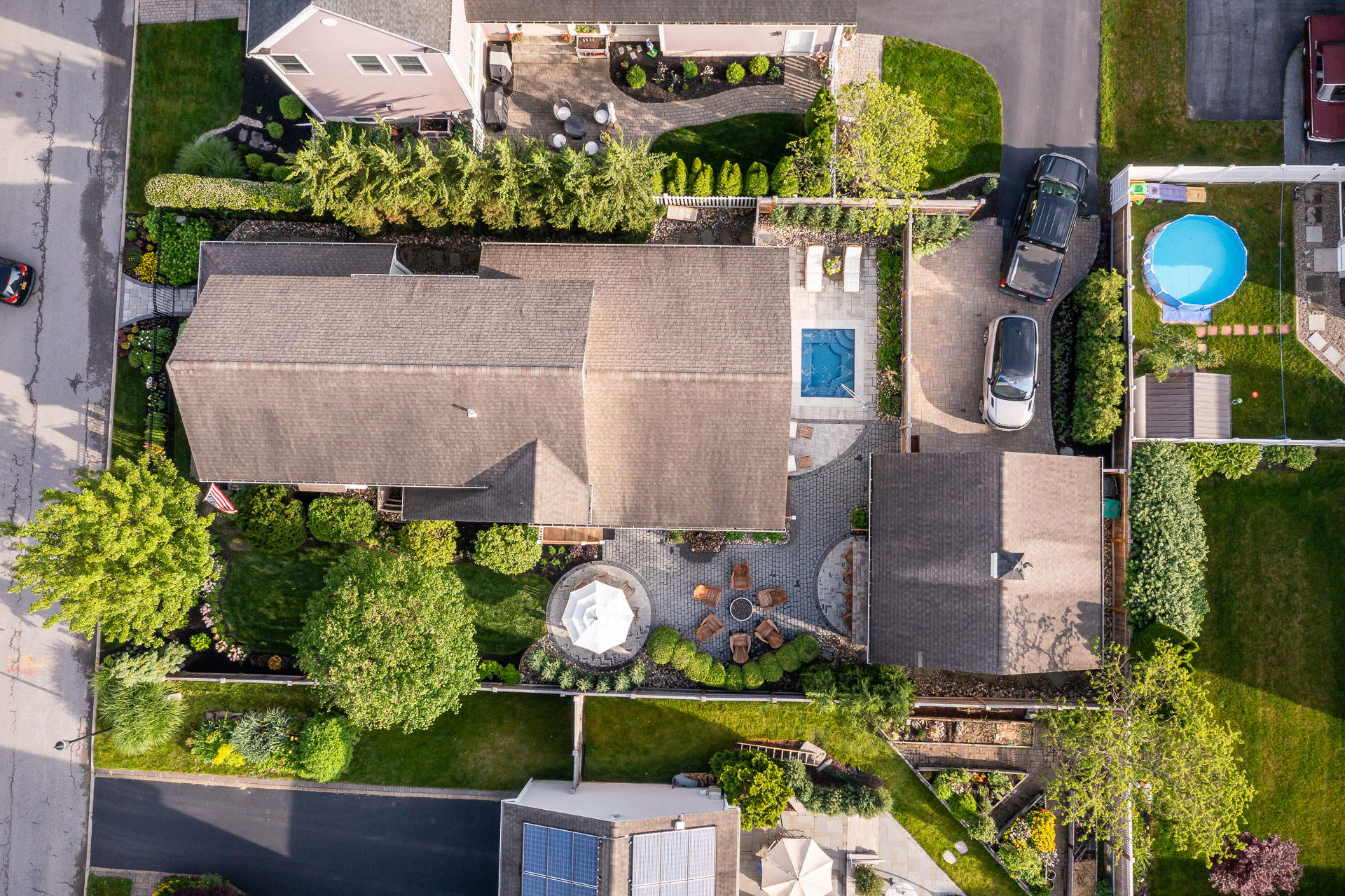
Backyards in Saratoga Springs, Albany, and Clifton Park are where homeowners tend to invest the most creativity and the most planning. It's where you entertain, enjoy the summer months, and take moments of solace and privacy.
This phase may include:
-
Patios or outdoor kitchens built to handle freeze-thaw cycles
-
Fire features that extend the outdoor season
-
Pools or recreation areas
-
Seating areas positioned for sun exposure and privacy
If you’re wondering how to landscape a large yard, this phase benefits most from professional sequencing. Backyards are often the most difficult to access, so access for equipment, drainage planning, and future expansion must all be considered before installation begins.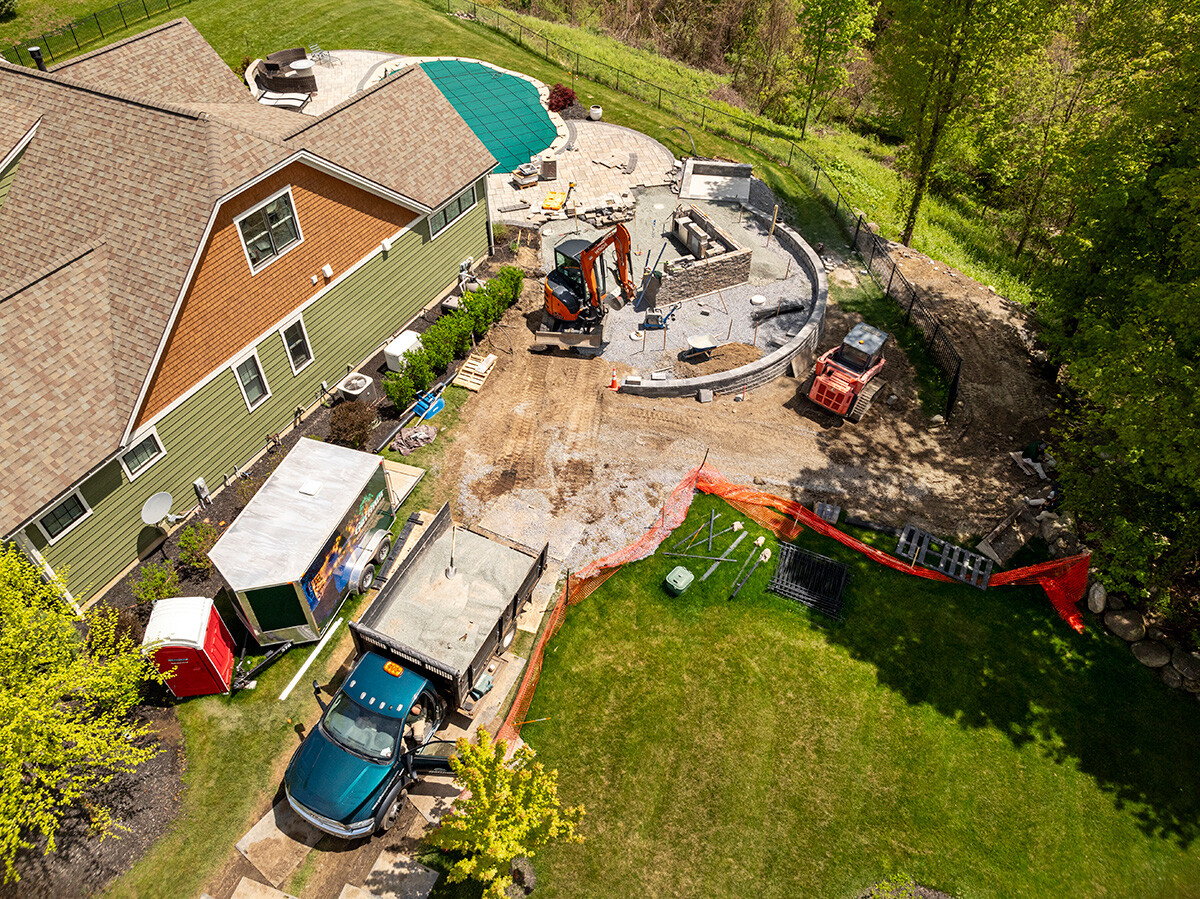
Phase Three: Side of House Landscaping & Functionality
Side yards are often overlooked parts of the landscape puzzle – until problems arise. Standing water, muddy walkways, or awkward transitions between spaces are usually the culprits that point homeowners toward this phase.
Thoughtful side of house landscaping often addresses:
-
Drainage and grading challenges
-
Utility access and concealment
-
Walkways connecting front and back yards
-
Privacy screening from neighbors
Even if a side yard isn't your priority now and won't be for years, planning it first is a must. When planned early but installed later, side yards can be integrated seamlessly without disrupting your other completed areas.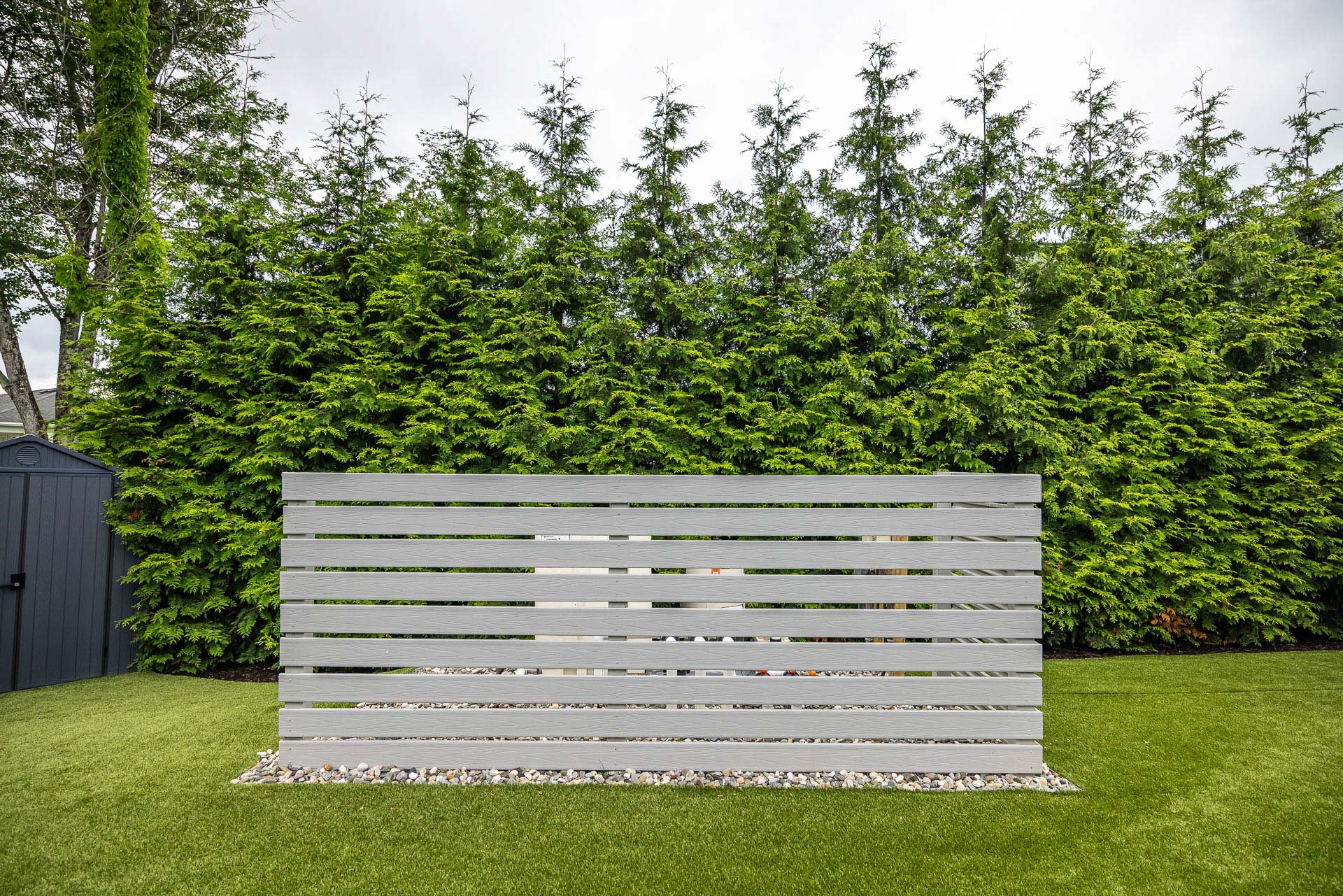
Smart Planning Tips for Phasing a Landscape Design Project
Phasing works best when guided by experience, especially in a region with as many environmental variables as ours. We have all sorts of tips we share with our clients when we put together their master plans – we think it's important you get an inside look at what matters, too.
Start With Every Wish List Item
Even if installation happens over the years, your landscape design project should include everything you ultimately want. This prevents mismatched materials, awkward transitions, and missed opportunities.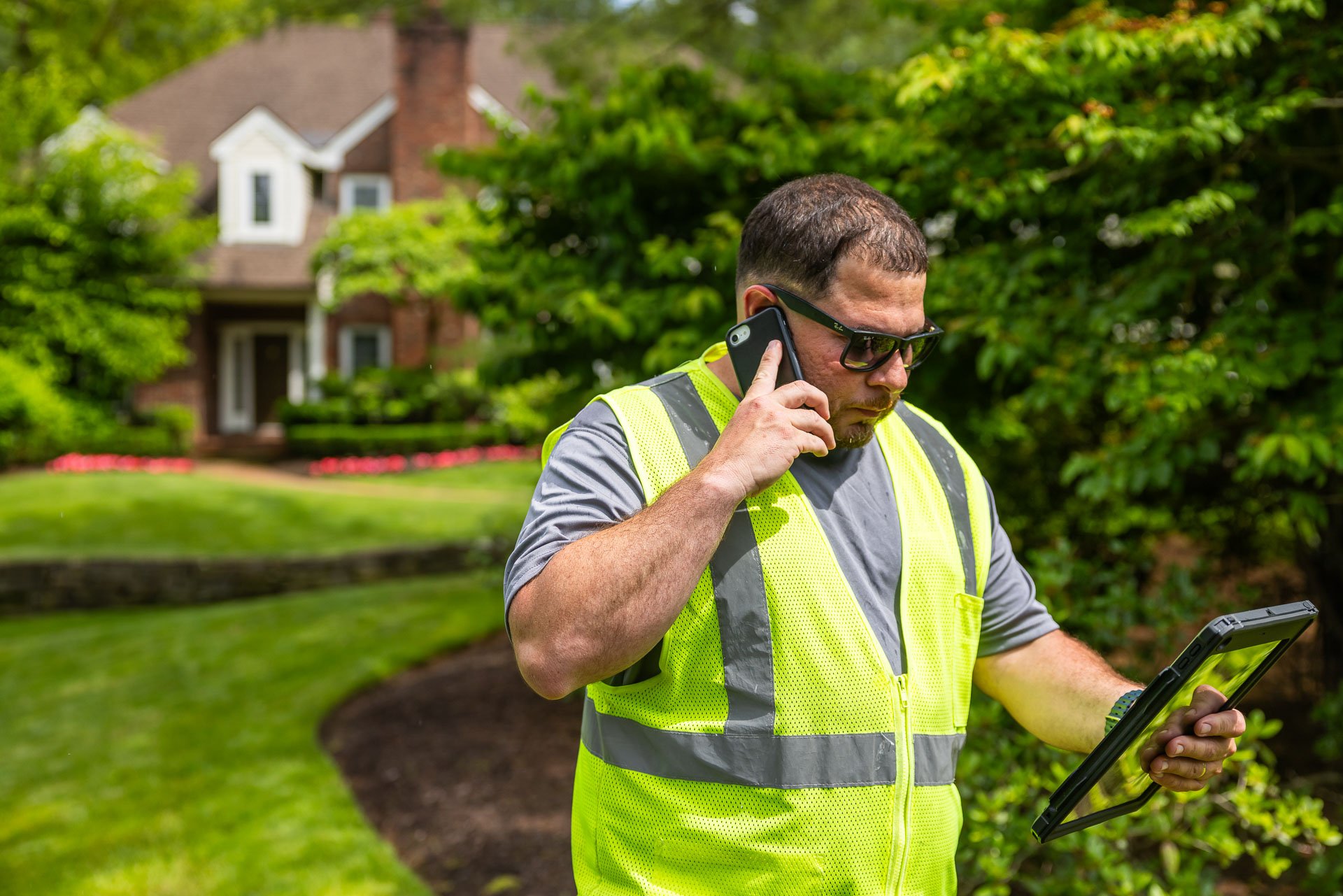
Prioritize Infrastructure Early
In the Capital Region, infrastructure matters. Drainage, grading, irrigation, and electrical work should come before decorative features, especially in our area with spring melt and heavy summer storms in mind.
Respect Seasonal Timing
Planting, hardscaping, and pool construction each have ideal windows. Experienced professionals know when to build patios versus when to focus on planting – maximizing success and minimizing setbacks.
Plan for Construction Access
Each phase should consider how future work will access the site. Poor planning here can lead to damaged patios, lawns, or plantings later.
Use Phasing to Budget Strategically
Phasing allows you to invest thoughtfully over time while still working toward a clear, cohesive end goal.
Work With a Professional Who Guides Priorities
Guidance is essential when everything feels important, and budgets require making choices.
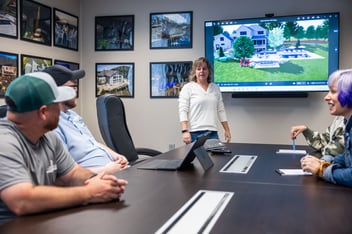
“Through lots of communication,” Richard notes, “we help guide clients through what should be a priority.”
What Happens When Phasing Isn’t Planned Properly?
Without a master plan, phased projects often create more problems than they solve.
“Typically, we see installs being made without thought-out plans,” Richard says. “You end up with a hatch pattern of amenities that don’t necessarily flow together.”
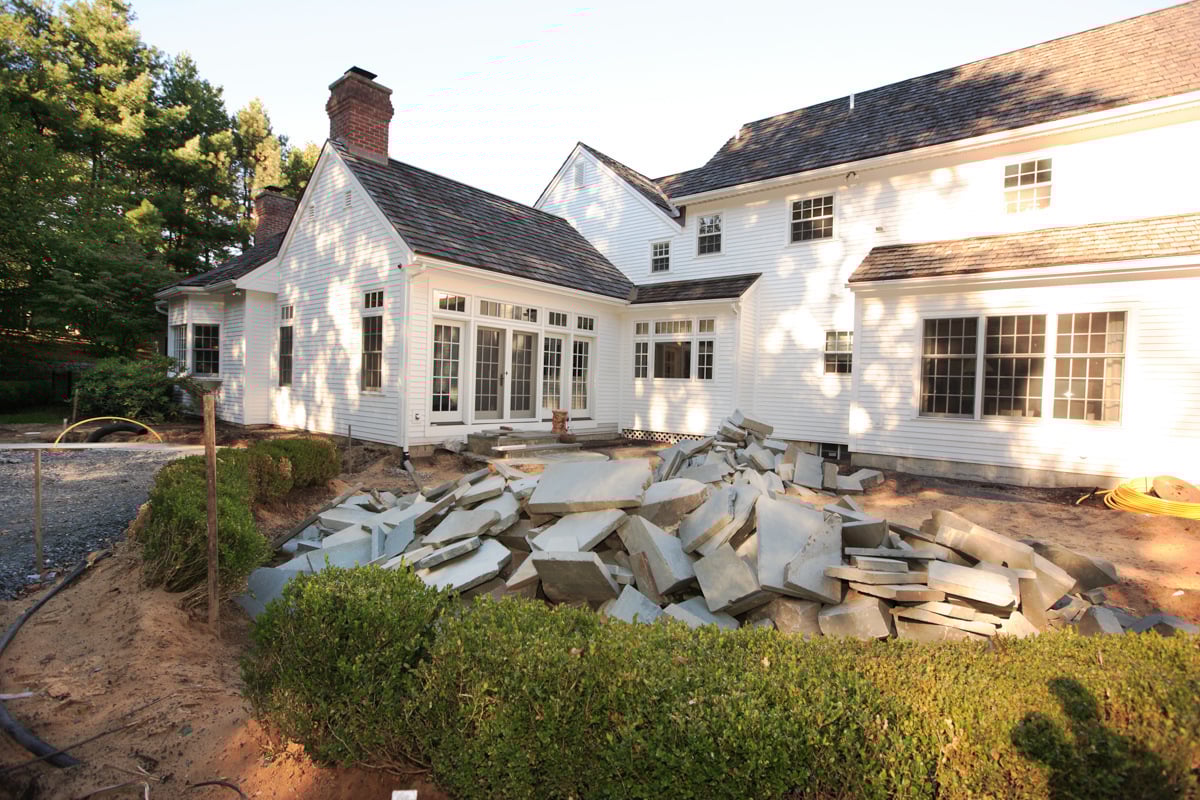 In our years of working hand-in-hand with those who haven't phased properly on a previous project, we've noticed that some common issues include:
-
Mismatched materials
-
Redundant construction costs
-
Poor drainage outcomes
-
Features that need to be removed or reworked
-
Blowing the budget
-
Incomplete projects before winter
In a region where winters are pretty unforgiving, any of those mistakes can become expensive quickly.
How Gallivan Successfully Phases Large Landscape Projects
It's important to realize that phasing isn’t a workaround; it’s a strategic way to approach your landscaping dreams. And it’s a strategy that Gallivan has refined through decades of Capital Region projects.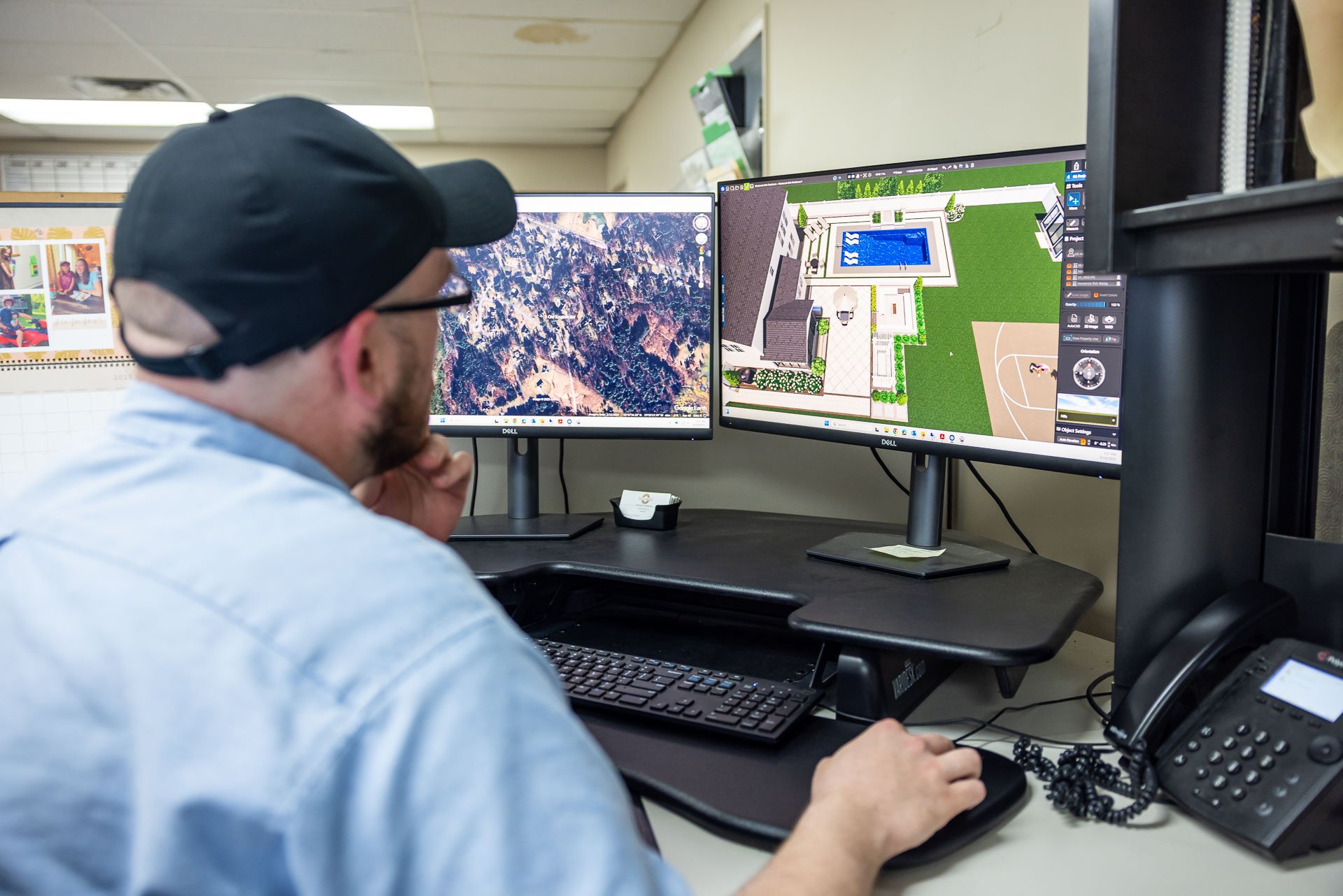
With in-house designers, detailed planning, and constant communication, Gallivan Corporation helps homeowners:
-
Define long-term goals
-
Understand realistic sequencing
-
Align investment with property value
-
Enjoy visible progress at every stage
And the emotional payoff is real, as Richard adds:
“It is a fun process seeing everything come together.”
Frequently Asked Questions About Phasing a Landscape Design Project
Is it common to phase a landscape design project in the Capital Region?
Yes, it's very common. Between shorter construction seasons, limited annual budgets, freeze-thaw cycles, and the need to prioritize infrastructure like drainage and grading, many Capital Region homeowners choose to phase their landscape projects. Phasing allows you to move forward thoughtfully without compromising the long-term vision.
Do I need a full landscape design if I’m only building one phase right now?
Yes! Starting with a complete landscape master plan is essential, even if installation happens over several years. Designing everything up front ensures that each phase works together, avoids costly reworks, and results in a cohesive finished landscape.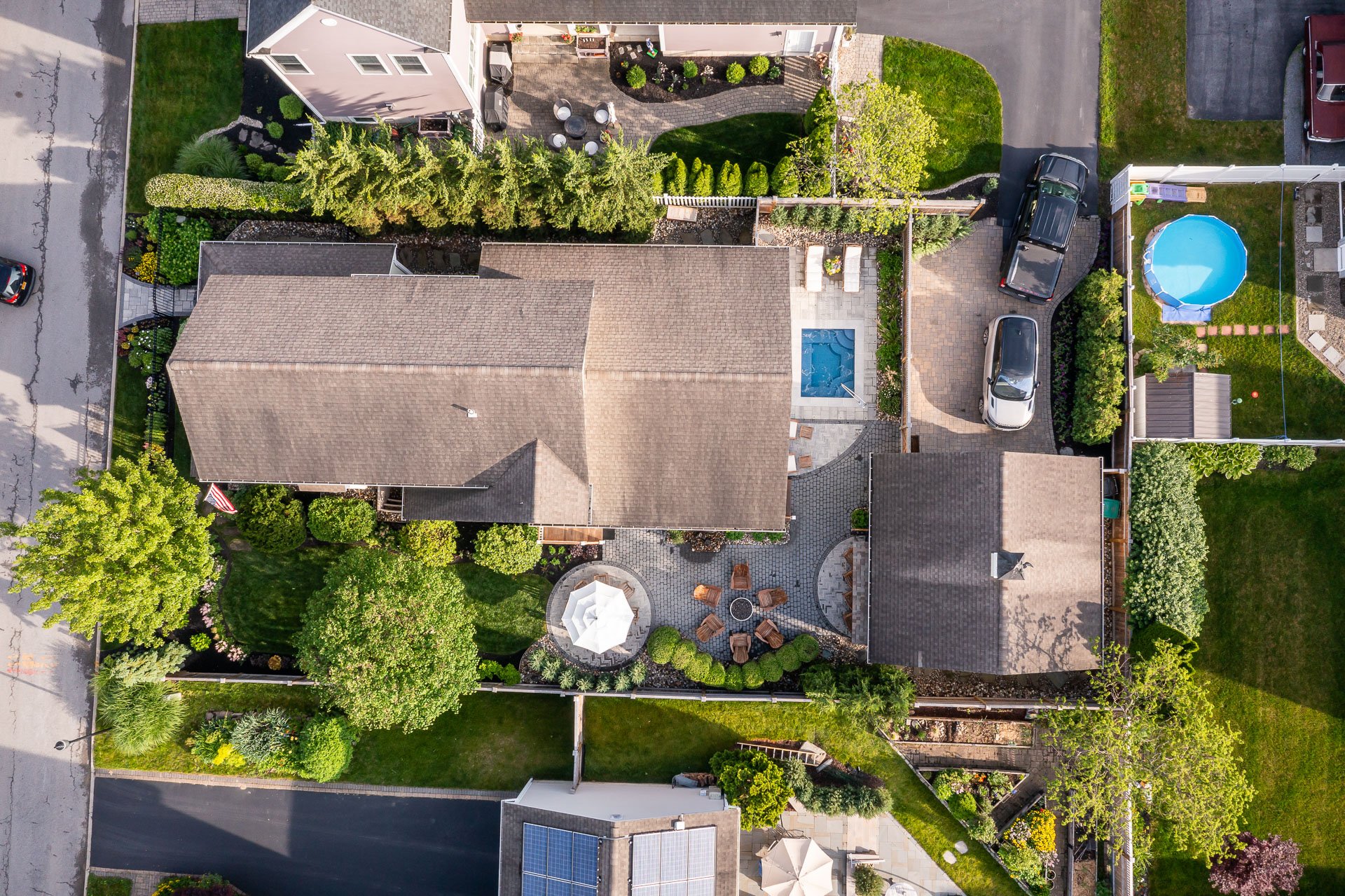
Will phasing my project make it more expensive in the long run?
Not when it’s done the right way. In fact, phasing often helps homeowners budget more effectively over time while avoiding mistakes that can lead to expensive redos. With proper planning, phasing protects your investment rather than inflating it.
What’s the best phase to start with – front yard, backyard, or side yard?
That depends on your goals and your property. Some homeowners start with front yard curb appeal, while others prioritize backyard living spaces or side yard drainage issues. A professional landscape designer can help you determine the smartest starting point based on your needs, budget, and timeline.
How long can a phased landscape project take?
Phased projects can span multiple seasons or years, depending on scope and priorities. What matters most is that each phase is planned with the final outcome in mind, so progress feels intentional and "complete" at every stage.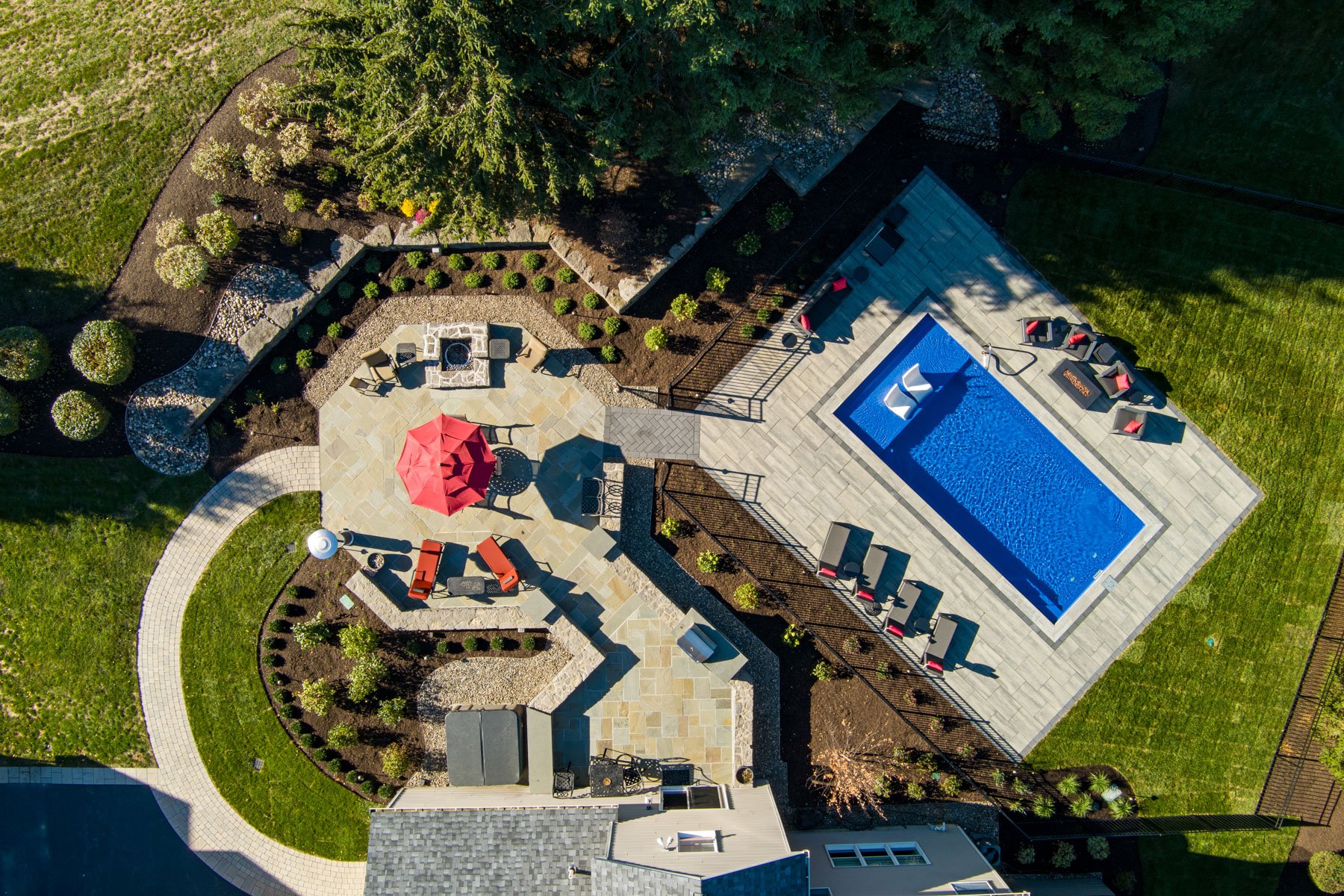
Can phasing help with budgeting for a large landscape project?
It sure can. Phasing allows you to spread investment over time while still working toward a clear, long-term goal. Many homeowners find this approach makes larger projects feel far more manageable and realistic.
How does working with a professional help when phasing a project?
An experienced landscape professional helps you prioritize, plan sequencing, and anticipate future needs, especially important in a region with complex environmental factors such as ours. Clear communication and expert guidance simplify decisions and reduce stress throughout the process.
Building Your Landscape the Right Way, One Phase at a Time
A large landscape design project doesn’t have to feel overwhelming and it certainly doesn't have to feel rushed. With a clear master plan, thoughtful sequencing, and professional guidance from a team that has the big picture in mind, phasing allows Capital Region homeowners to move forward confidently while building toward something lasting.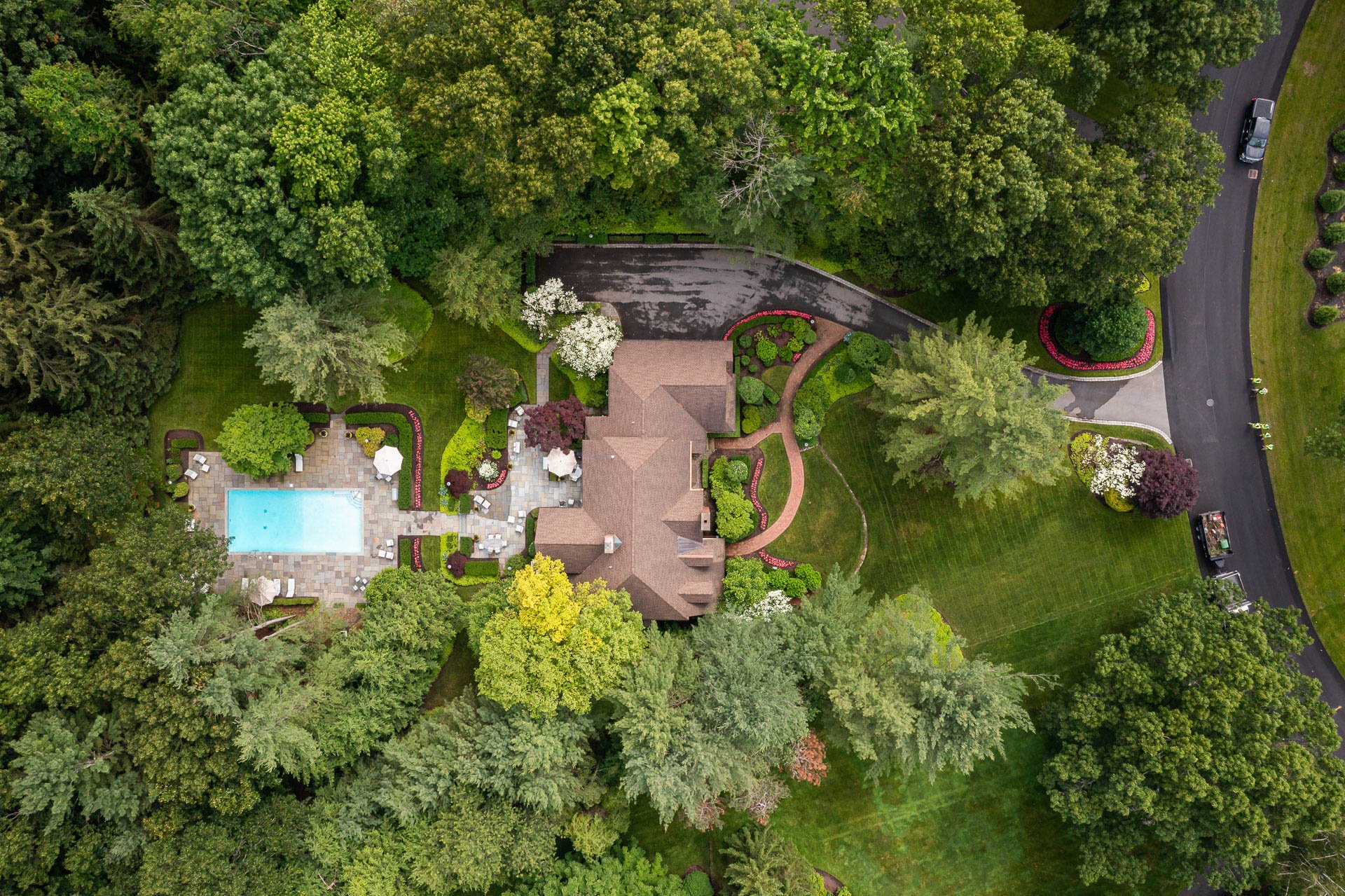
Whether you’re planning a front yard refresh, a backyard retreat, or a full-property transformation in Saratoga Springs, Albany, Clifton Park, or surrounding areas, the right plan makes all the difference. Request your consultation with the team at Gallivan today to begin planning your next project.