
Written by: Carl Trinkle
10 min read
The benefits of a beautiful, well-maintained landscape are obvious. From attractive first impressions to an outdoor lifestyle that is perfectly facilitated, proper landscaping in the Capital Region is key to everything from increased property values to poolside memories.
If there is a downside to exceptional landscaping, it is the significant amount of resources and time that go into maintaining a high standard of excellence. Stellar results typically require a substantial investment, and this constant attention can become burdensome.
That’s why many homeowners in Upstate NY are embracing low-maintenance landscaping ideas that provide all the benefits of manicured outdoor spaces with only a fraction of the maintenance demands.
Jump To:
Low-Maintenance Landscaping Ideas for the Capital Region
What Makes a Plant Low-Maintenance?
Self-Sustaining Perennials for Upstate NY
Low-Maintenance Shrubs for Year-Round Appeal in the Capital Region
Hassle-Free Ornamental Grasses for Texture and Simplicity
Why Native and Low-Maintenance Plants Go Hand-in-Hand
Additional Low-Maintenance Landscaping Ideas
Low-Maintenance Landscaping FAQs
Partnering with a Professional for Low-Maintenance Landscape Design
Low-Maintenance Landscaping Ideas for the Capital Region
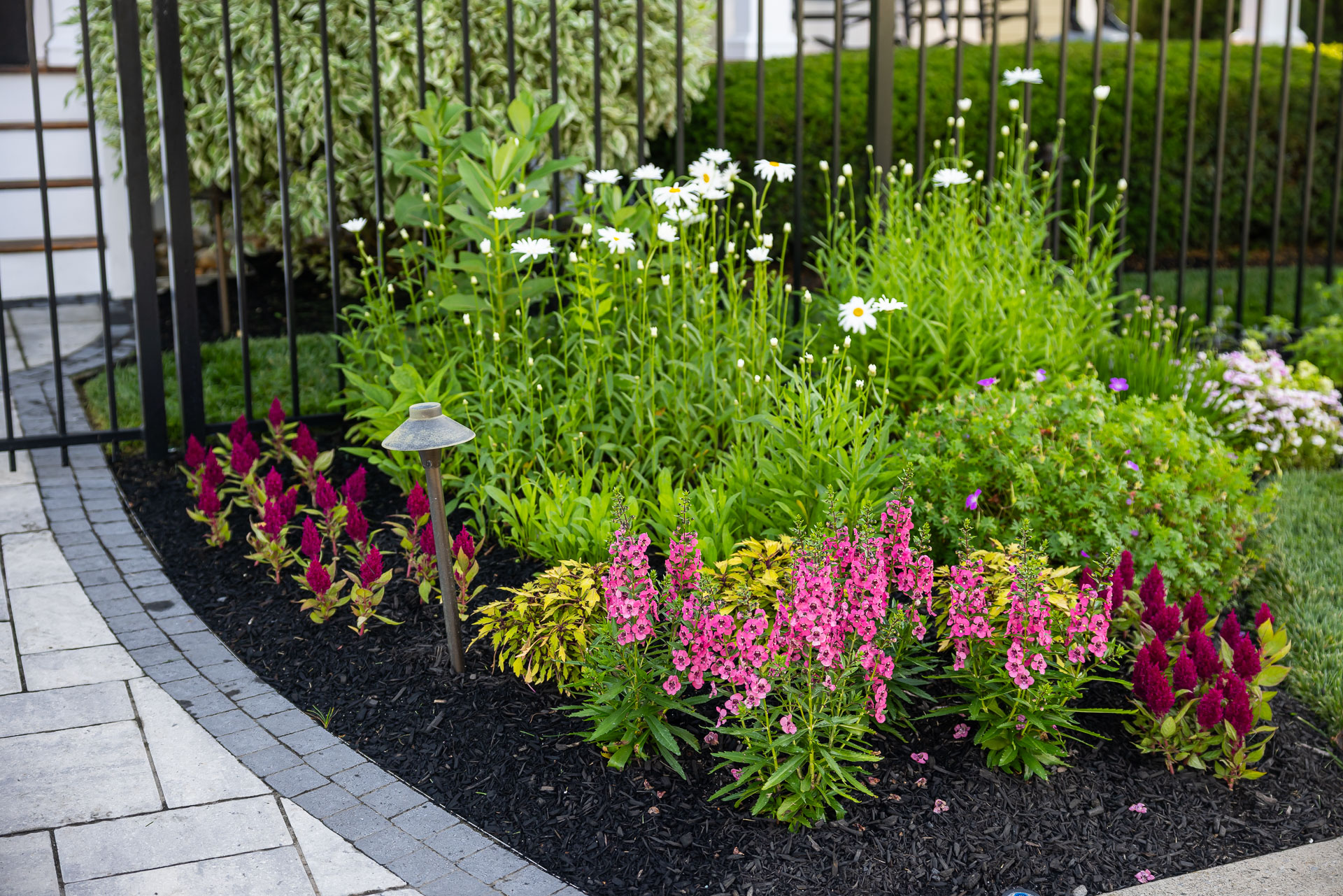
There are many elements that contribute to low-maintenance landscaping, and at the center of it all are the low-maintenance plants you choose to populate your property. Before you rush into revitalizing your outdoor spaces with exciting low-maintenance landscaping ideas, however, it is important to understand exactly what makes this style of landscaping so compelling.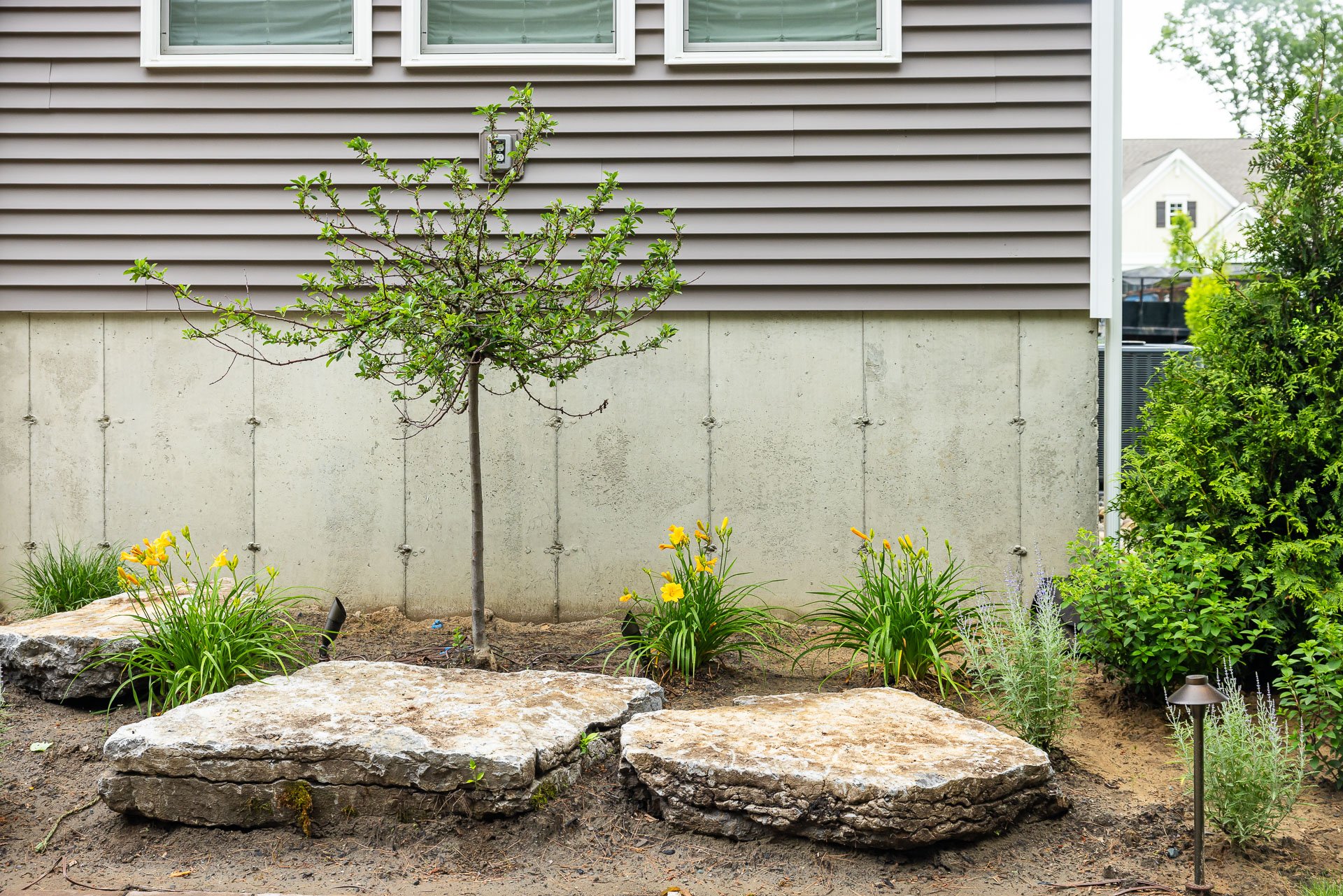
Low-maintenance landscaping alleviates several homeowner pain points, including:
-
Frustration associated with constant upkeep
-
Lack of expensive and specialized landscaping equipment
-
Time required to perform proper maintenance.
In addition to freeing your resources and time from the demands of frequent landscape maintenance, low-maintenance alternatives uphold the highest level of beauty. When done correctly, you will not sacrifice the visual appeal of your home by opting for plants that are low-maintenance.
What Makes a Plant Low-Maintenance?
Defining low-maintenance plants can be tricky. Certain external factors, such as the climate, can change what types of plants are considered low-maintenance in a particular location. As a general rule, however, there are a few key traits to look for when determining what outdoor plants are low-maintenance.
Low-maintenance plants should be resistant to threats to their health, including disease, drought, and pests. They should require very little hands-on care, including minimal pruning. They should also be adaptable to the climate, which can be tricky in the Capital Region’s drastic seasonal shifts.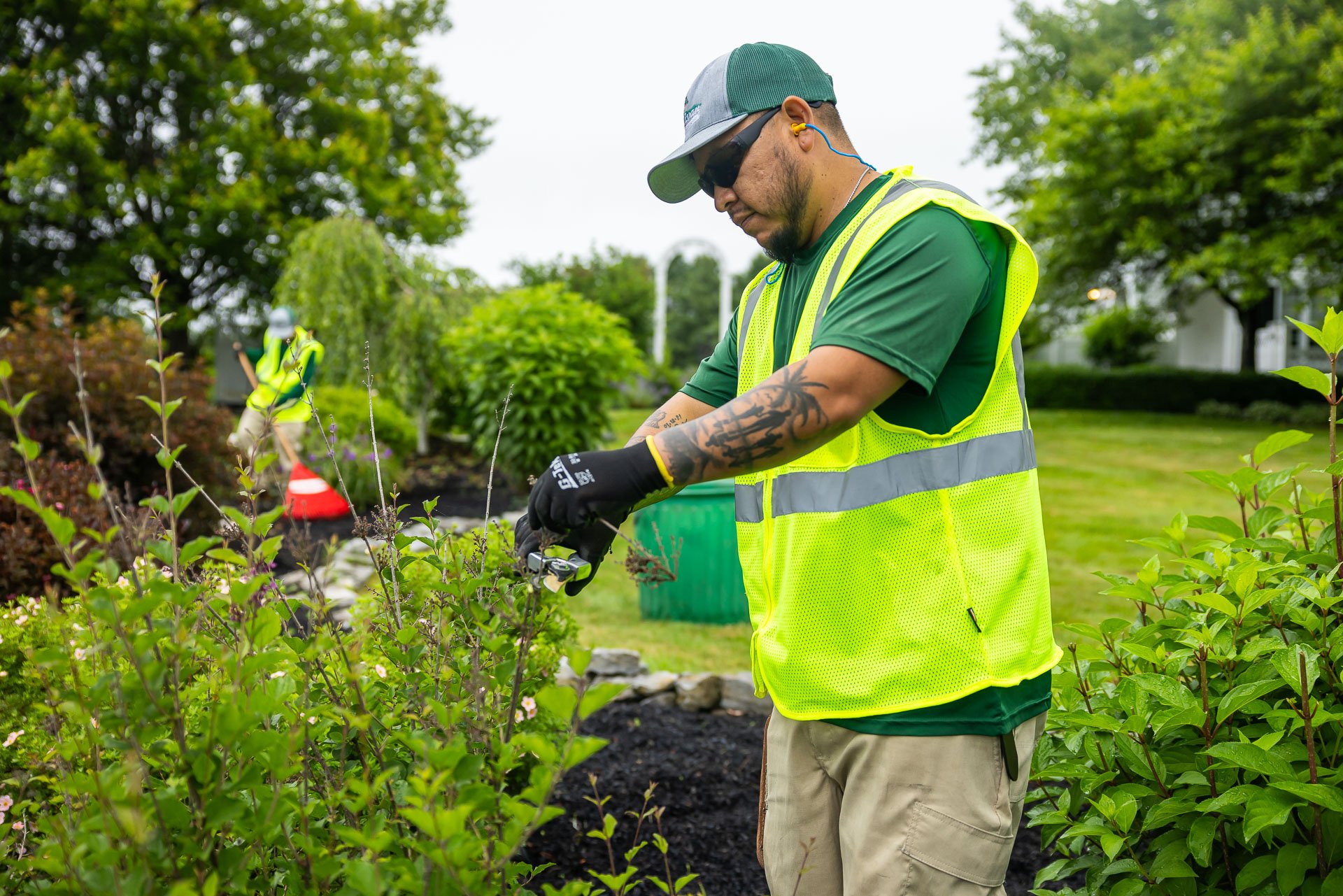
In our area of New York, selecting low-maintenance plants also requires careful planning beyond appearance alone. Homeowners often underestimate how much mature plant size, spacing, sun exposure, and long-term growth habits affect maintenance demands over time.
For example, low-maintenance evergreens like arborvitae may require less frequent pruning, but they can grow surprisingly quickly when young. Without proper spacing and planning, plantings can become overcrowded, creating what landscape professionals call “overtopping,” where taller plants shade out the groundcovers and perennials below them.
Upstate New York’s freeze-thaw cycles also play a major role in plant performance. The best low-maintenance landscapes are designed around species that can tolerate fluctuating temperatures, inconsistent spring weather, and a variety of soil conditions common throughout Saratoga Springs, Albany, and Clifton Park.
If a plant checks these boxes, it is safe to say that it is among the best outdoor plants for New York.
Self-Sustaining Perennials for Upstate NY
When it comes to aesthetics and personality, perennials are the bread and butter of landscape design. Year after year, they burst forth in vibrant blooms, creating an environment that is as gorgeous as it is reliable.
There are many viable perennial options that can thrive in the Capital Region, but only some earn the title of the best low-maintenance perennials for Upstate NY. The plants in this category are both attractive and low-maintenance, making them the best of both worlds.
The best-performing low-maintenance plants in Upstate New York are those that can reliably withstand harsh winters, unpredictable seasonal transitions, humidity, and varying soil conditions while still delivering strong visual appeal year after year.
In luxury landscape design, these dependable plants are often layered together with higher-end accent species to create landscapes that feel refined, textured, and visually dynamic without requiring constant upkeep.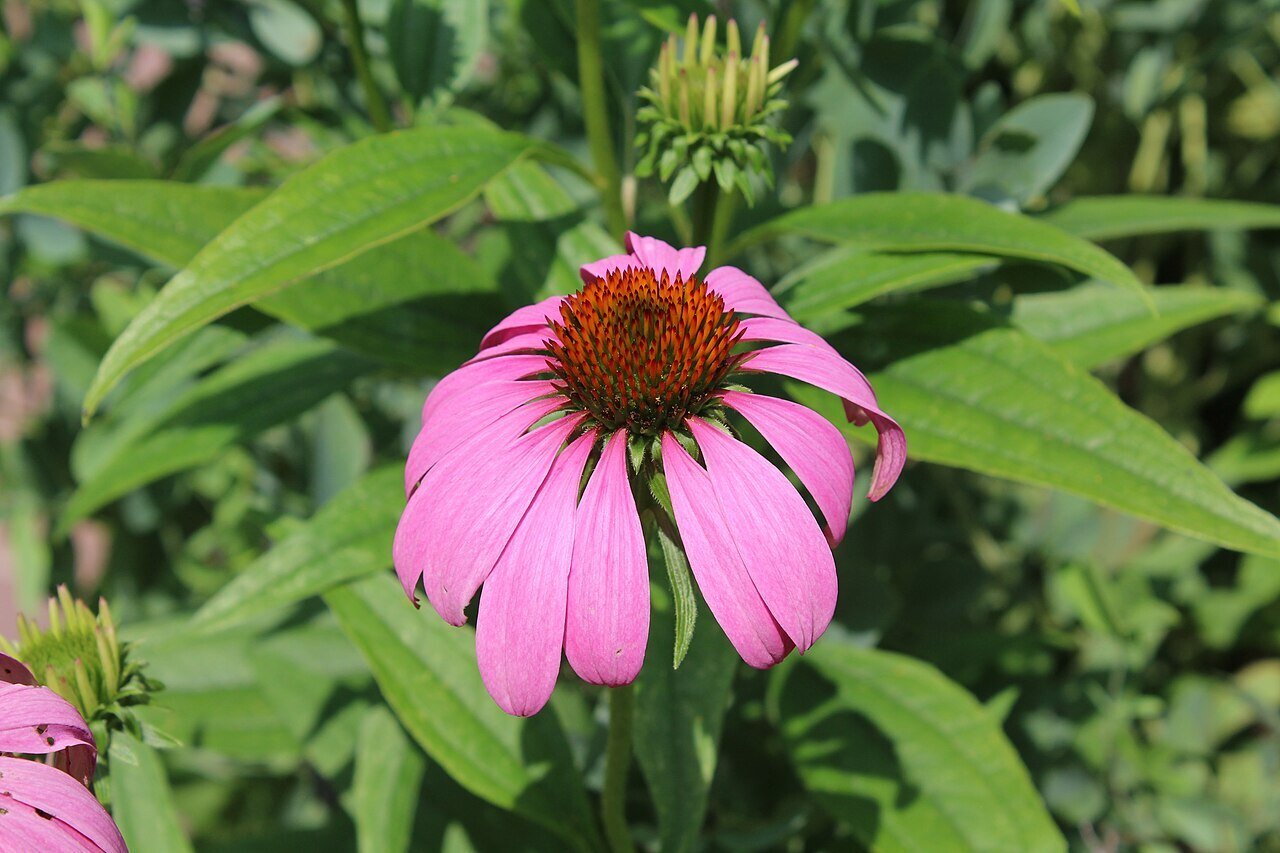
#1 | Coneflower
For a classic flower of vibrant color, look no further than the coneflower, a member of the daisy family. This plant is drought-tolerant and durable, making it a low-maintenance option for Capital Region properties.
#2 | Daylilies
These flowers are iconic for a reason: their beauty is only matched by their adaptability and toughness. Daylilies tolerate a wide range of soil conditions, return reliably every year, and require very little intervention once established.
#3 | Salvia
As a member of the sage family, Salvia is noteworthy for its vertical clusters of flowers that light up a landscape and draw the eye. They are drought-resistant, making them a picturesque plant for a colorful summer.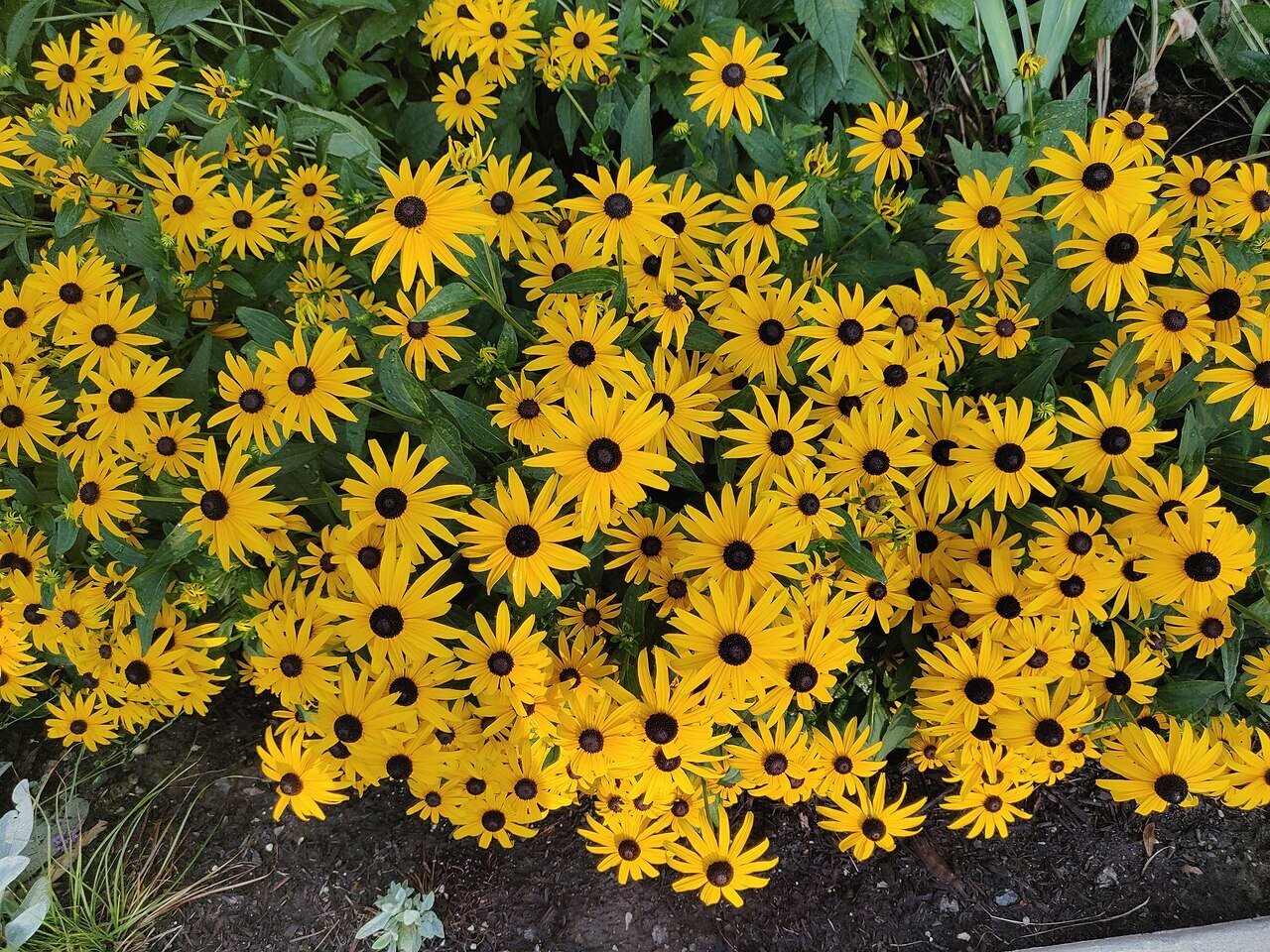
#4 | Black-Eyed Susan
With its unmistakable yellow petals and dark center, Black-Eyed Susan is a memorable flower that also happens to be low-maintenance, especially when given access to full sun.
#5 | New England Aster
Easy to grow and absolutely stunning when they bloom in late summer, New England asters are hardy perennials that grow bushy and require very little maintenance.
Low-Maintenance Shrubs for Year-Round Appeal in the Capital Region
While perennials are essential for adding pops of color and yearly intrigue to your landscape, it is shrubs that establish the underlying personality and consistency that every home needs. Opting for easy plants to grow in the Capital Region is essential here, as these low-maintenance shrubs will provide a year-round backdrop to your life and your landscape.
Shrubs that consistently perform well in Upstate New York landscapes are typically those capable of handling harsh winters, temperature swings, and fluctuating moisture conditions without extensive intervention from homeowners.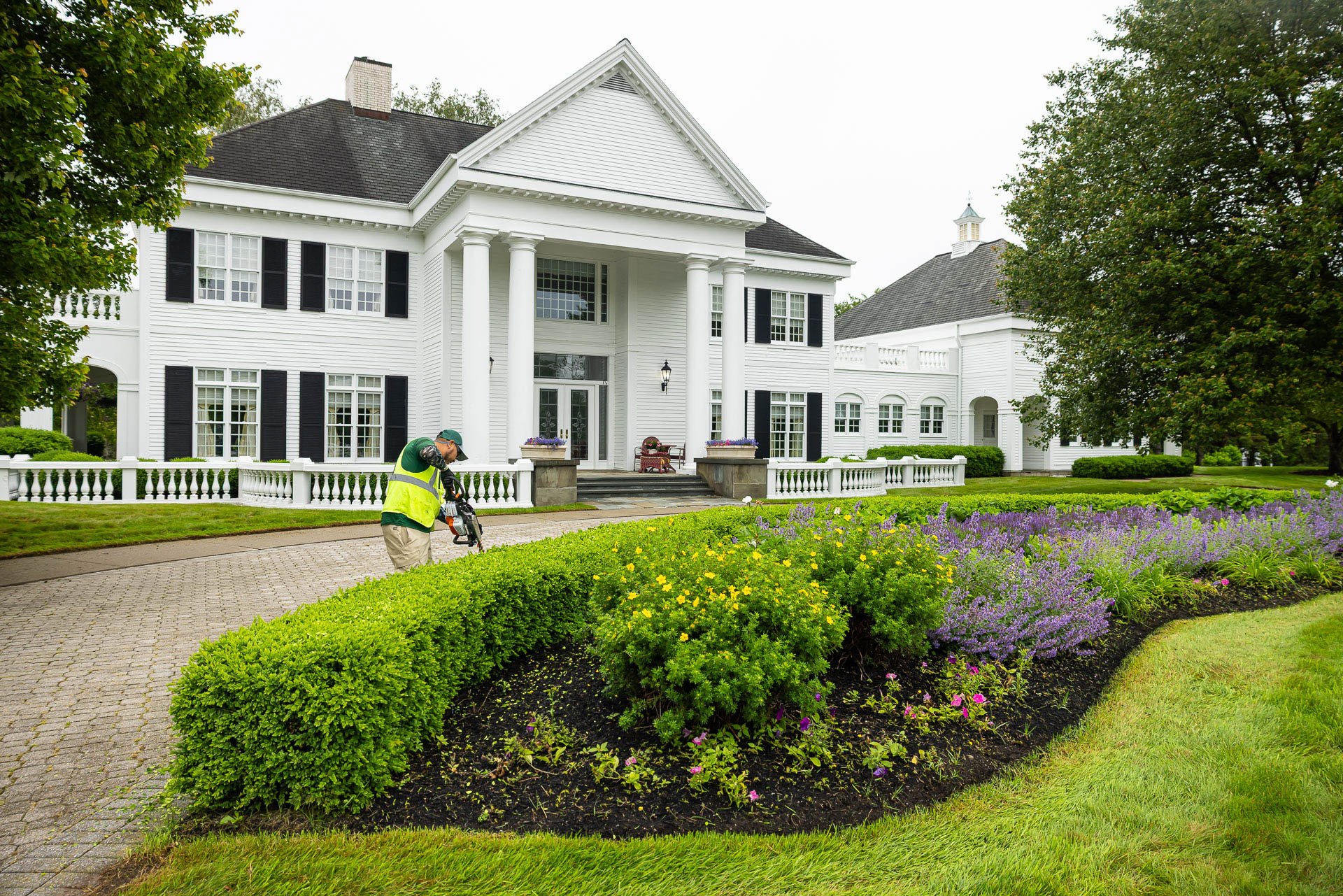
#6 | Wintergreen Boxwood
Shrubs have the unique ability to provide color and visual intrigue year-round, including through the winter. Wintergreen boxwood is the perfect example of garden shrubs for Upstate NY that remain beautiful all year, thanks to its hardiness and resilience.
#7 | Dwarf Conifers
These evergreen shrubs grow slowly but surely. They are great for adding color and texture to your garden or landscape. From upright to spreading, there are many variations of dwarf conifers, allowing you to opt for those that best suit your aesthetic preferences and space.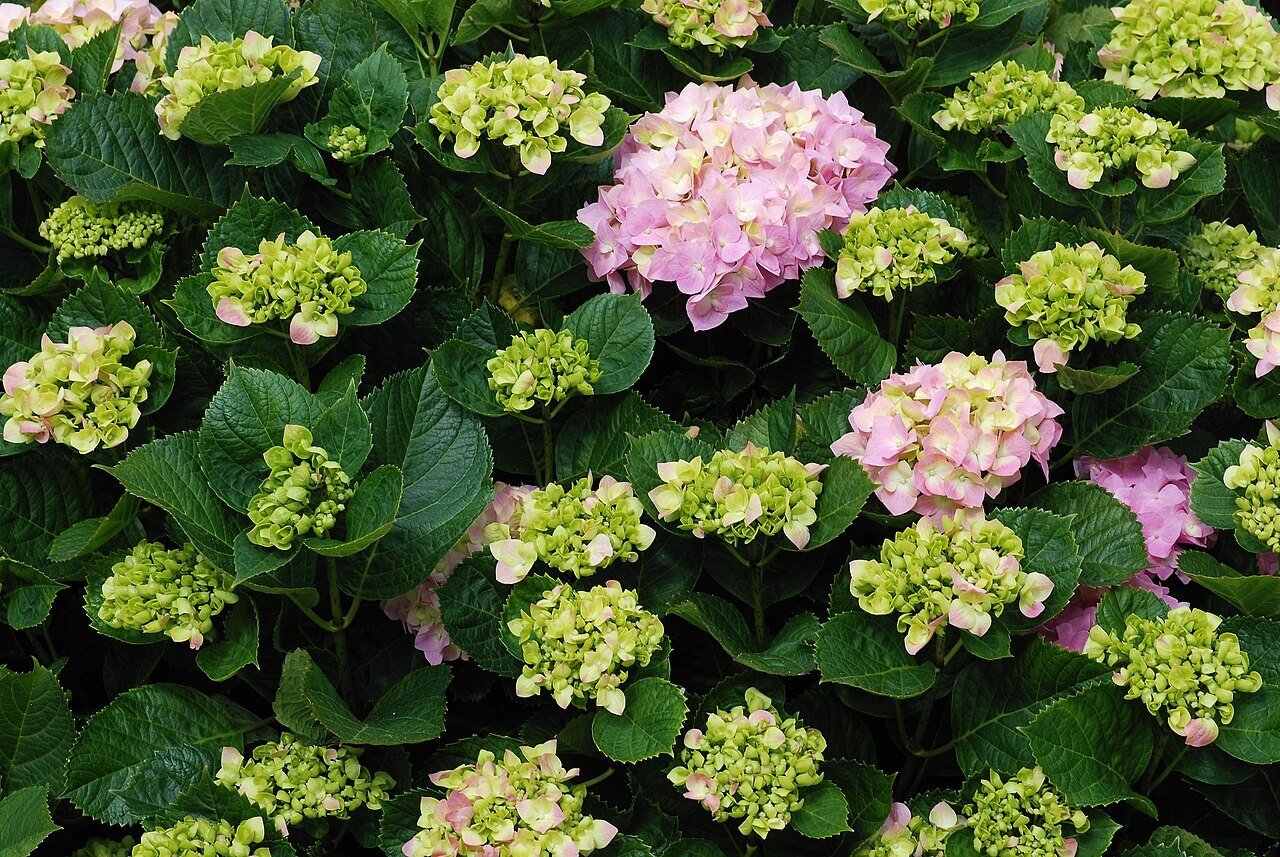
#8 | Hydrangea
If you are looking for a low-maintenance shrub that bursts forth with large, vibrant blooms each summer, you’ll want to add hydrangeas to your property. These hardy plants require some pruning upkeep, but they are likely to endure most of the challenges of the Capital Region climate.
Hassle-Free Ornamental Grasses for Texture and Simplicity
Ornamental grasses are some of the most underrated low-maintenance plants for Upstate New York landscapes. These are standalone plants compared to turf grass like Kentucky Bluegrass and provide movement, texture, and seasonal interest while requiring very little ongoing care.
#9 | Switch Grasses
Switch grass varieties like Shenandoah or Heavy Metal Blue adds texture, color, and height to planting beds in Upstate NY. A finer leaf than other ornamental grasses, switch grasses tend to grow in a "fountain" style form, growing tall and draping over itself. 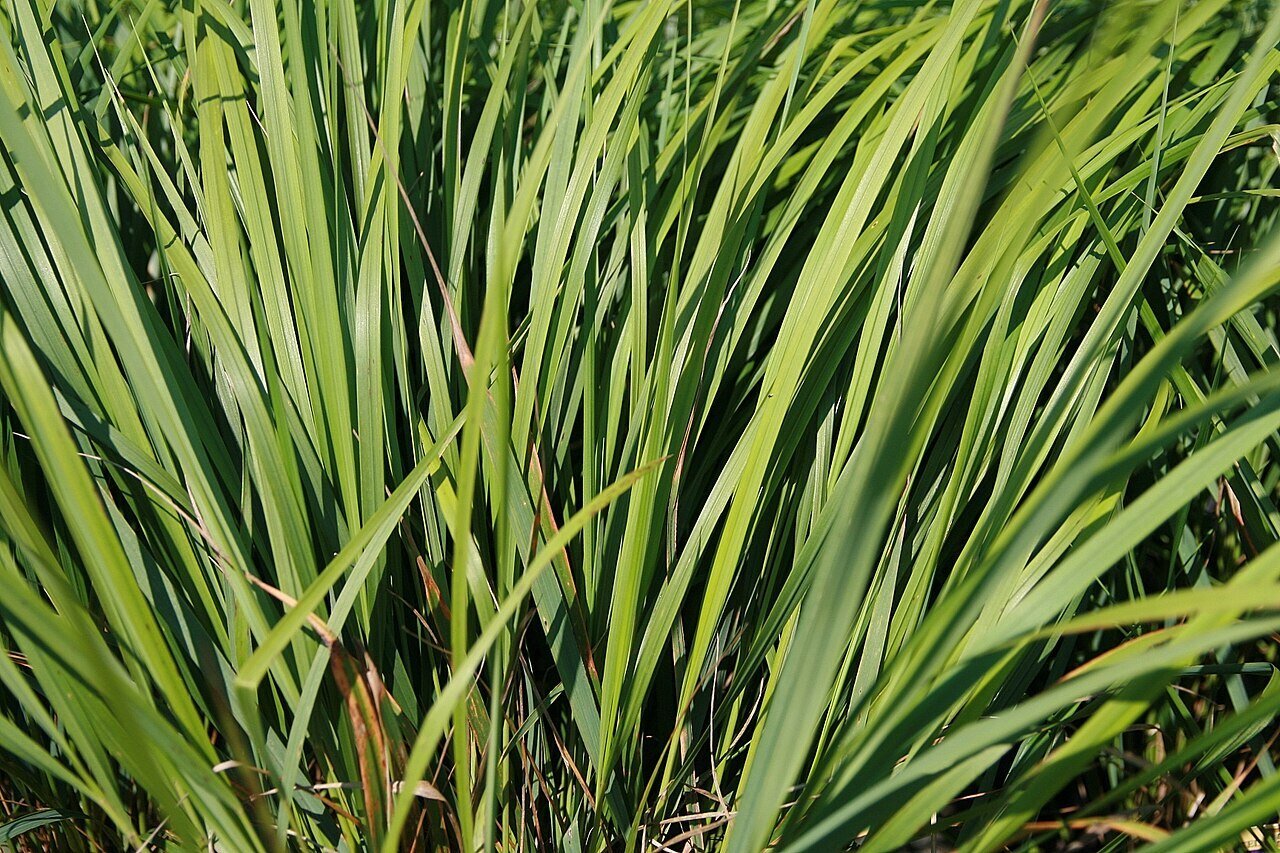
#10 | Feather Reed Grasses
Feather reed grasses, such as Karl Foerster, offer a thicker leaf and a more upright growth habit. They develop seed heads as the season goes on which blow in the wind and provide some color to contrast the green of the leaves.
These grasses perform especially well in the Capital Region because they tolerate changing weather conditions, winter exposure, and varying soil types with minimal maintenance demands. While you can cut them back at the end of each season, it's not required, making these plants extremely low-maintenance. When incorporated into layered landscape designs, ornamental grasses help soften hardscapes, complement flowering perennials, and create a more natural, ecologically resilient planting composition.
Why Native and Low-Maintenance Plants Go Hand-in-Hand
Not all low-maintenance plants are native to the Capital Region, but there is a clear correlation between native plants and low-maintenance demands. The reason for this overlap is simple: native plants are uniquely adapted and equipped to thrive in the climate and soil conditions of their natural environment.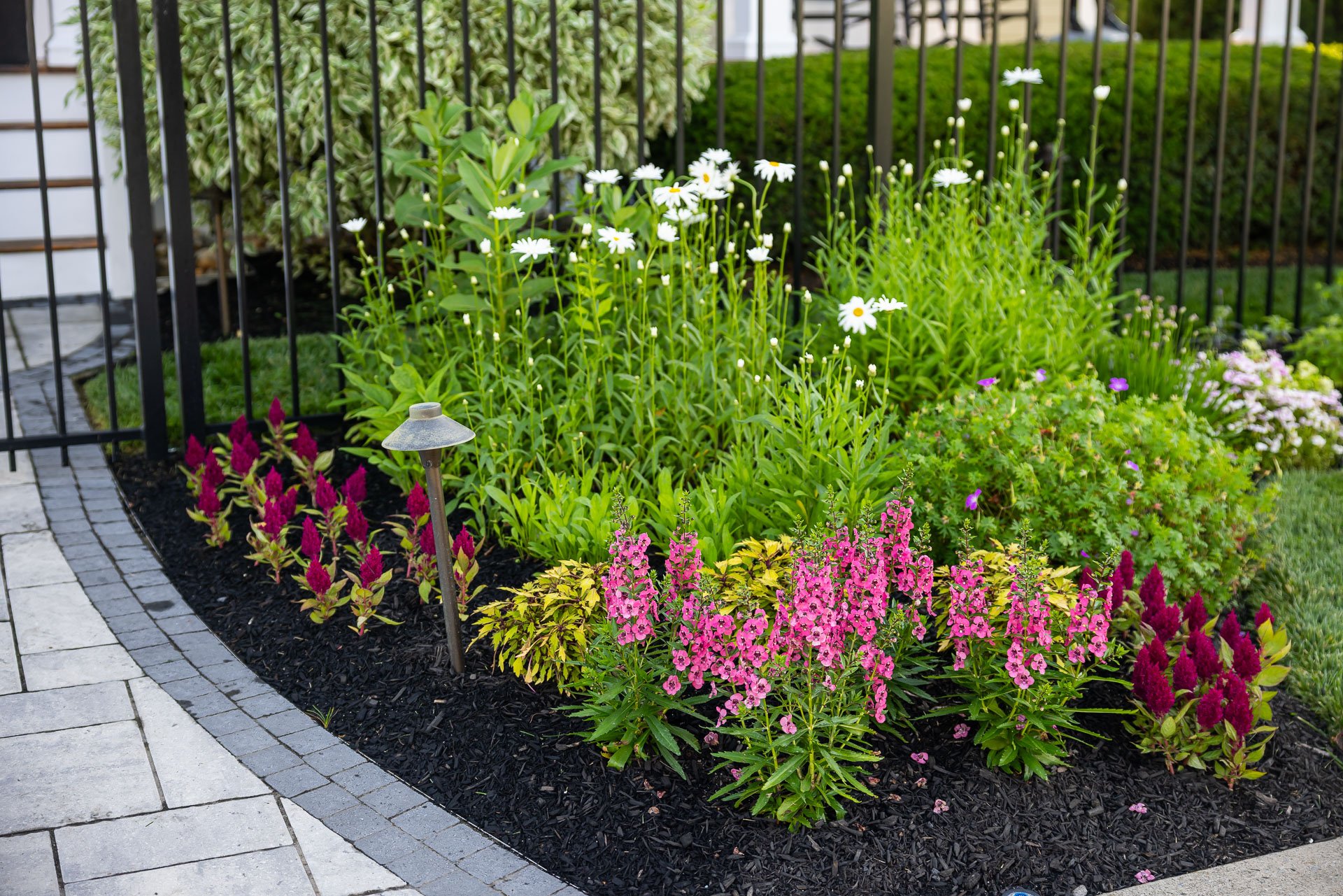
This knowledge can be put to use during the plant selection process. By prioritizing native plants, you can enjoy the advantages of lower maintenance needs, including:
-
Less water usage
-
Drought tolerance
-
Natural pest resistance
-
Better adaptation to local soil conditions
-
Benefits to local wildlife, including pollinators
Additional Low-Maintenance Landscaping Ideas
While selecting low-maintenance plants, especially native varieties, is the single most important part of a low-maintenance landscape, there are other steps you can take to further embrace this approach.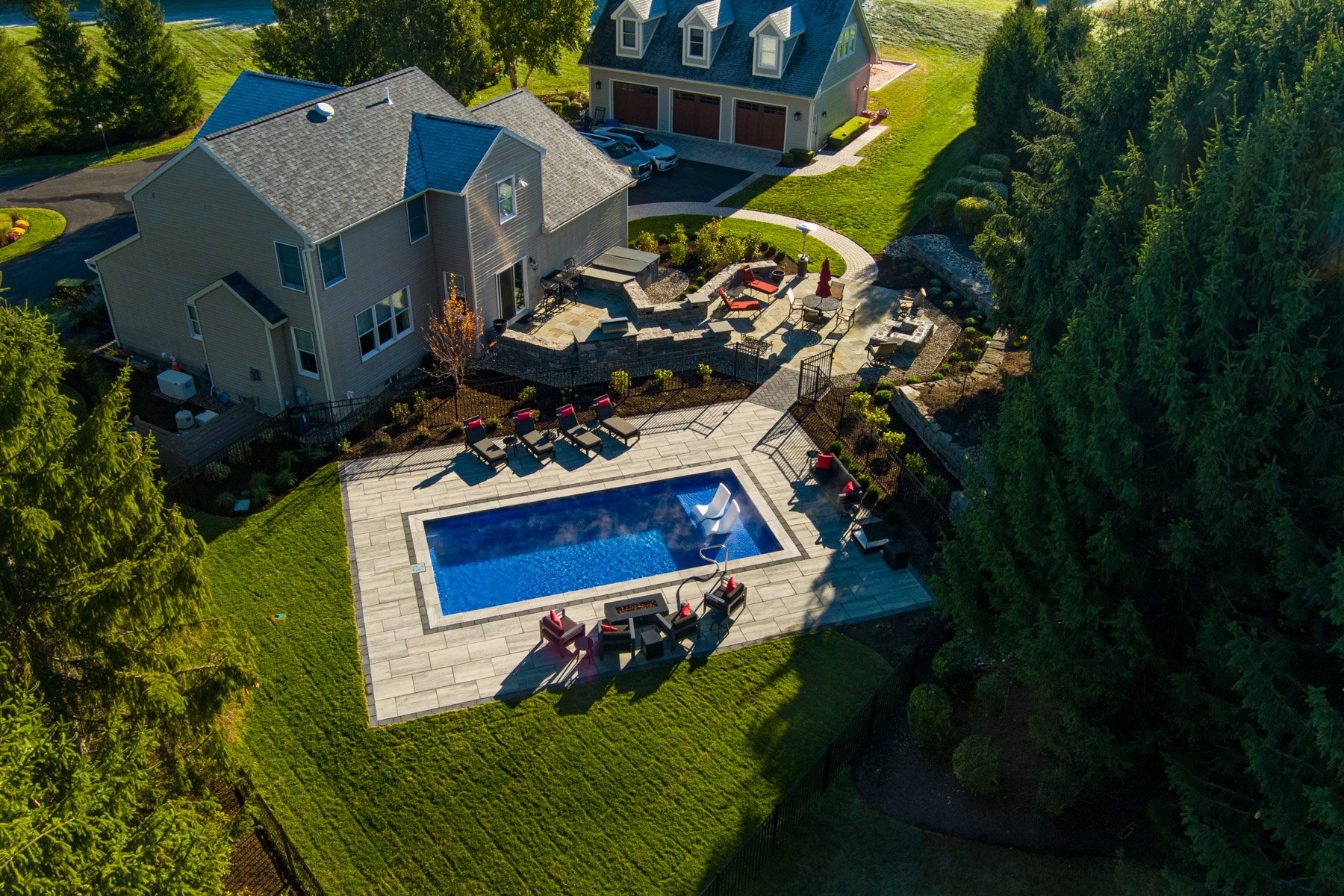
-
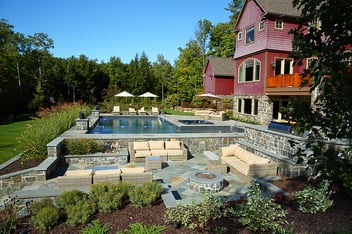
Opting for hardscaping (such as patios and beds of natural material like gravel) can reduce general maintenance demands.
-
Choosing spreading groundcover plants over grass can also contribute to lower maintenance needs, such as mowing and watering.
-
Regular mulching helps keep soil and plants healthy while simultaneously preventing weeds.
-
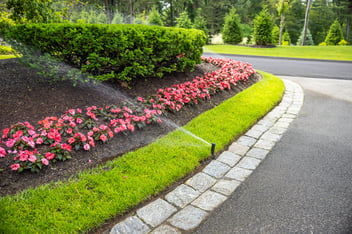
Investing in a smart irrigation system can play a vital role in the long-term success of your landscape, as well. Such systems deliver precise amounts of water exactly where it needs to go.
Low-Maintenance Landscaping FAQs
What outdoor plants require the least maintenance in the Capital Region?
There are a number of plants that are low-maintenance that you can choose from in Upstate NY. Native plants are almost always a good choice, and we recommend working with a professional to populate your landscape with plants that will fit your vision and thrive.
Are native plants a better option when selecting low-maintenance landscaping?
As a general rule, native plants are low-maintenance compared to the majority of other options. However, there are plenty of low-maintenance plants that are not native to the Capital Region, so evaluating your options on a case-by-case basis is the best approach.
How can I design a low-maintenance landscape without sacrificing curb appeal?
Often, low-maintenance landscaping ideas offer a better, more consistent curb appeal than landscaping that requires constant attention and in-depth care. The reason for this is simple: low-maintenance landscaping looks its best with minimal effort, so there is more flexibility, and aesthetics are less impacted by poor weather conditions.
What are some of the common mistakes to avoid when choosing landscape plants?
When selecting plants, homeowners should avoid choosing based on appearance alone while overlooking mature plant size, spacing requirements, sun exposure, and long-term maintenance demands.
Overplanting is one of the most common mistakes in landscape design. Plants that look small and manageable during installation can quickly become overcrowded, creating competition for sunlight, moisture, and airflow. This often leads to overtopping, where larger shrubs or evergreens block sunlight from reaching perennials and groundcovers planted below.
It’s also important to select plants that can tolerate the Capital Region’s changing temperatures, freeze-thaw cycles, and soil conditions. Working with a professional landscape designer helps ensure plants are selected and positioned appropriately for both immediate aesthetics and long-term success.
Partnering with a Professional for Low-Maintenance Landscape Design
Implementing low-maintenance landscaping ideas in a way that is attractive, cohesive, enduring, and functional can be a daunting task. With a local expert on your side, however, it is not just attainable; it is a phenomenal way to have the landscape of your dreams without the stress of high maintenance demands.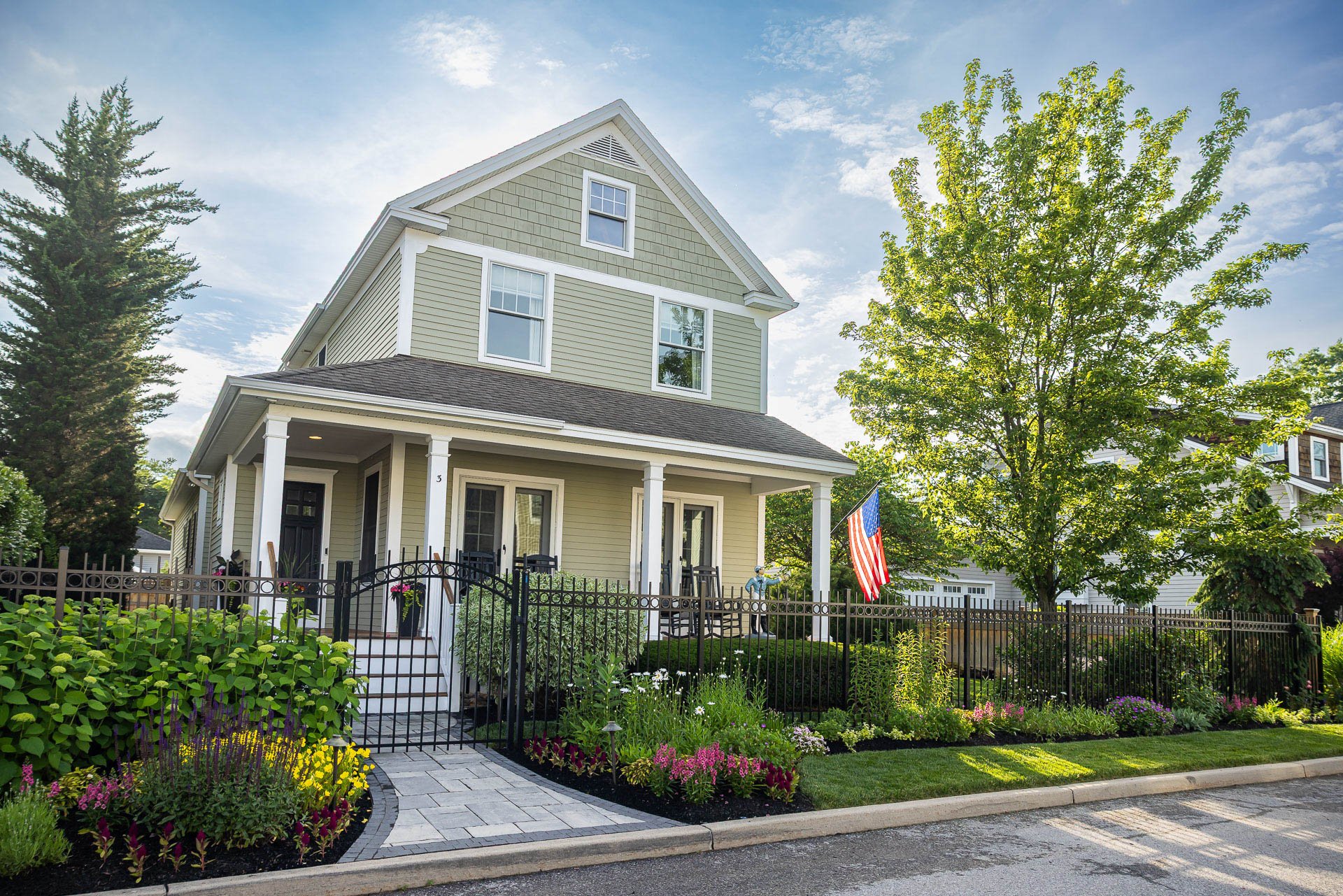
With over 30 years of experience providing professional landscape design in the Capital Region and cities such as Saratoga Springs, Albany, and Clifton Park, Gallivan is your go-to local landscaper. Fill out our consultation form today to discuss your next landscaping project, whether it is starting from the ground up or revitalizing your current design with low-maintenance concepts.

Image Sources: coneflower, black eyed susan, hydrangea, karl foerster feather reed grass